Parents of toddlers at nursery
If you want to pack nuts for a young child, their form matters more than their protein content. Whole nuts pose a choking risk; nut butter or ground nuts stirred into a moist dish are more suitable options.


Whole nuts should not be packed loose in a nursery lunchbox for toddlers. Nut butter or ground nuts stirred into a moist dish are more suitable options, provided allergies and nursery rules allow them. Only then is it worth comparing ingredients and protein content.
If you want to pack nuts for a young child, their form matters more than their protein content. Whole nuts pose a choking risk; nut butter or ground nuts stirred into a moist dish are more suitable options.
Getting the consistency right is not enough: the specific type of nut, ingredients, ‘may contain’ warnings and nursery rules all need to be considered. If a child has a diagnosed allergy, make an individual choice for them in consultation with the relevant professionals.
If you also buy nuts as a protein-rich snack for adults, assess the nursery lunchbox separately. The German Nutrition Society’s protein reference values for children apply to their total daily intake, not to a single snack.
First check the form and any allergy concerns for the nursery lunchbox, then compare the ingredients and nutritional information. Check the packaging of the product you actually buy, and bear the nursery’s rules in mind too.
| Criterion | What to check | Who this matters most to |
|---|---|---|
| Consistency | Take the child’s age and ability to chew into account; choose nut butter or ground nuts mixed into a moist dish instead of whole nuts. | For my toddler at nursery, I look for a form without loose, hard pieces of nut, as they could choke on them. Around 31% of consumers put a safe consistency first. |
| Allergies and nursery rules | Check the nursery’s rules, type of nut, ingredients and ‘may contain’ warnings; tell the nursery what is in any food you bring in. | If allergies are a concern in the group, I need to know what is in the food and whether I’m allowed to bring it in. For around 31% of consumers, checking this is the top priority. |
| Ingredients and protein | Read the ingredients list and check protein, sugar and salt per 100 g; also consider the portion you plan to serve. | I want to understand the protein content without choosing a sweetened or salted mix just because of its name. Around 25% of consumers give this ingredients and nutritional profile the most weight. |
| Shopping and packaging | Check the product form and the current packaging information at the place you are buying it. | Once we’ve checked the form, allergies and ingredients, I want to find a suitable pack for everyday use. For around 13% of consumers, this shopping consideration comes first. |
A figure per 100 g does not change the fact that toddlers can choke on whole nuts.
For young children, choose nut butter or ground nuts mixed into a moist dish. Do not serve dry nut flour loose.
A protein-rich product may contain whole nuts or be sweetened or salted. The name alone also tells you nothing about allergies or nursery rules.
Check the form and any allergy concerns first, then compare the ingredients and the sugar, salt and protein figures in the nutritional information.
A nursery may have rules about food brought in. If you are bringing food for a group, the nursery needs to be able to check which ingredients it contains.
Ask about the rules before you shop, and provide a full list of ingredients for any food you bring in. If there is a diagnosed allergy, agree an individual approach.
The brand offers nuts and mixes, among other products. For a protein comparison, check the information for the specific product.
Some almond products have specific nutritional information you can use to compare them, but that does not make them suitable as a loose snack for toddlers.
The range includes different types of nuts and mixes, which need to be assessed individually.
This own-brand range includes various nut products and mixes; the right choice depends on the specific product.
You can compare the own-brand nut mixes using the information for each specific product.
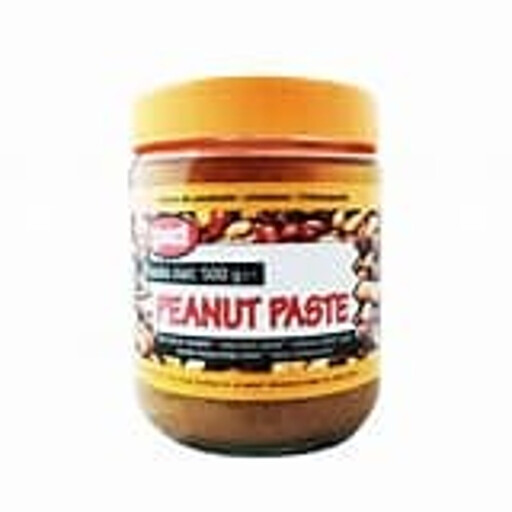
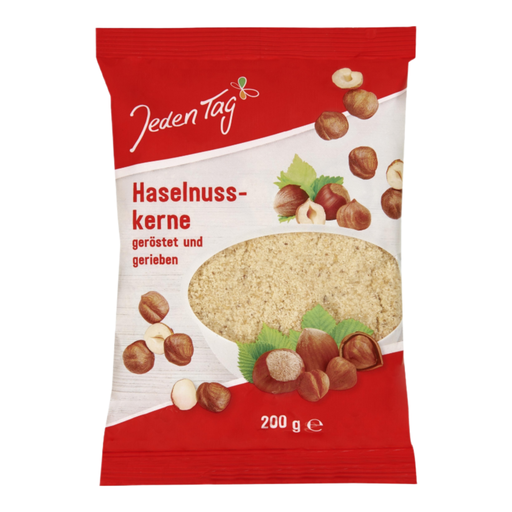
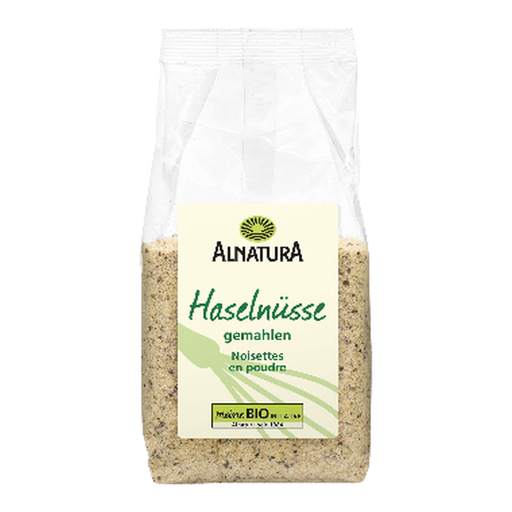
This selection features peanut butter and ground hazelnuts as alternatives to loose whole nuts. Whether a product is suitable for the lunchbox also depends on allergies, how it is prepared and the nursery’s rules.
 No image available
This spreadable peanut product may be suitable if whole nuts are not right for your child. Peanut butter is not an alternative for someone with a peanut allergy. Check the nursery’s rules and the ingredients and ‘may contain’ information on the current packaging.
 No image available
Ground hazelnuts can be stirred into a moist dish, but should not be served loose as dry flour. If allergies are a concern, check the hazelnuts and the ingredients and ‘may contain’ information, and ask in advance whether the nursery allows nut products.
 No image available
The ground version can be added to a moist dish; do not serve dry nut flour loose. Before using it, consider hazelnut allergies, any other information on the current packaging and the nursery’s rules.
Whole nuts should not be packed as a loose snack for toddlers, as they pose a choking risk. Nut butter or ground nuts mixed into a moist dish may be suitable instead, if allergies and nursery rules allow them.
No, nut butter still contains the nut it is made from. If your child has a diagnosed allergy, discuss suitable foods and relevant ‘may contain’ warnings with their healthcare professionals and the nursery.
A snack specially marketed for its protein content is not automatically necessary for the nursery lunchbox. The German Nutrition Society’s protein reference values for children apply to their total daily intake. For an individual nut product, the form, allergies and ingredients matter first.
First check the size and form of the pieces and the types of nuts it contains, then look at the ingredients, allergen and ‘may contain’ information, and the sugar, salt and protein per 100 g. A protein figure does not make whole nuts a suitable lunchbox snack for toddlers.