Parents of toddlers
You’re looking for a nut ingredient for your child’s nursery lunch without packing whole nuts. The Federal Institute of Public Health warns that toddlers can choke on whole nuts.


Whole nuts are not a suitable choice for toddlers’ nursery lunches: the Federal Institute of Public Health warns of the risk of choking. If the nursery allows nuts and the children’s allergy information has been checked, nut butter may be an option as a form that doesn’t contain whole nuts. Whether a product suits the snack you have planned also depends on its ingredients and nutrition information—not simply on whether it is labelled ‘reduced-fat’.
You’re looking for a nut ingredient for your child’s nursery lunch without packing whole nuts. The Federal Institute of Public Health warns that toddlers can choke on whole nuts.
You need to check whether nuts are allowed under your setting’s rules and how allergen information for the food you serve should be recorded. The consumer advice centre highlights these requirements for food served in communal settings.
You want to assess a claim about fat content using the figures per 100 g, while also checking the ingredients, sugar and salt, rather than treating it as a blanket indication that a product is suitable for children.
First, check whether nuts are allowed at the nursery and which allergies need to be taken into account. Then check the product’s format, followed by its ingredients and nutrition information.
| Criteria | What to check | Who this matters most to |
|---|---|---|
| Format for toddlers | Don’t plan to serve whole nuts; if choosing nut butter, check its consistency and ingredients list. | When I’m preparing a snack for a toddler, I don’t want to pack whole nuts that could cause them to choke. For around 50% of consumers, the product’s format is the main consideration. |
| Allergies and nursery rules | Check the setting’s rules and recorded allergies, and review the allergen labelling on the specific product. | When I’m preparing a meal for several children, I need to know whether nuts can be served at all and what allergen information the team needs. Around 30% of consumers make this their priority. |
| Fat content | Compare fat, sugar and salt per 100 g, as well as the ingredients; don’t assume a marketing claim tells you about the product’s overall composition. | When I’m specifically looking for a lower-fat option, I want to use the nutrition information to judge what I’m actually buying. This comparison is a priority for around 20% of consumers. |
It’s their small, firm shape that makes whole nuts a problem for toddlers: the Federal Institute of Public Health warns of the risk of choking.
Don’t pack whole nuts for toddlers. If the nursery allows nuts, check whether nut butter is suitable for the meal you have planned and complies with its allergy procedures.
A claim about fat content doesn’t tell you whether the format is suitable for toddlers, or whether the product is appropriate given allergies, sugar or salt. The consumer advice centre explains that ‘low fat’ for solid foods means no more than 3 g of fat per 100 g.
Compare the nutrition information per 100 g and the specific product’s ingredients list. Check the format and nursery rules separately.
The consumer advice centre says that the main allergens in food served in nurseries and schools must be declared. Individual settings may also have their own rules.
Before buying, check whether nuts are allowed and what product and allergen information the nursery needs for its records.
These brand examples show nut products from the range featured by REWE. Whether a particular product is suitable for a nursery lunch still depends on its format, ingredients and labelling, as well as the setting’s rules.
REWE stocks a range of Seeberger products, including mixed nuts, cashews and walnut kernels.
REWE’s nut range includes products such as REWE Bio cashews and walnut kernels, as well as a peanut mix from REWE Beste Wahl.
The products below are almond butters that offer an alternative to whole nuts. Consider them for a nursery lunch only if the setting allows nuts and the children’s allergy information has been taken into account. The butter format does not mean the product has a reduced fat content.
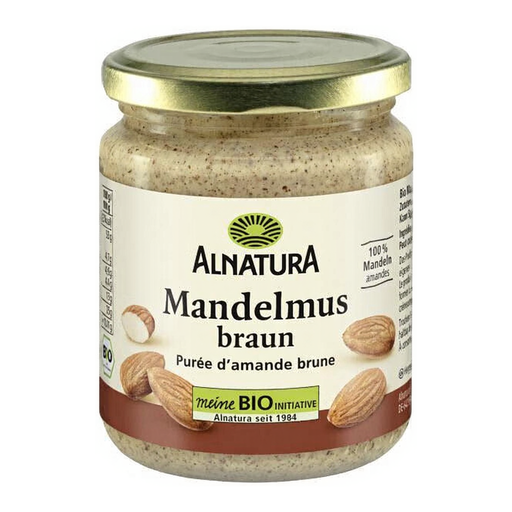 No image available
Consider this as an alternative to whole nuts for a nursery lunch, provided the setting allows nuts and allergy information has been checked.
Made from whole roasted almonds; 250 g pack. Before use, check the ingredients, allergen labelling and nutrition information on the pack.
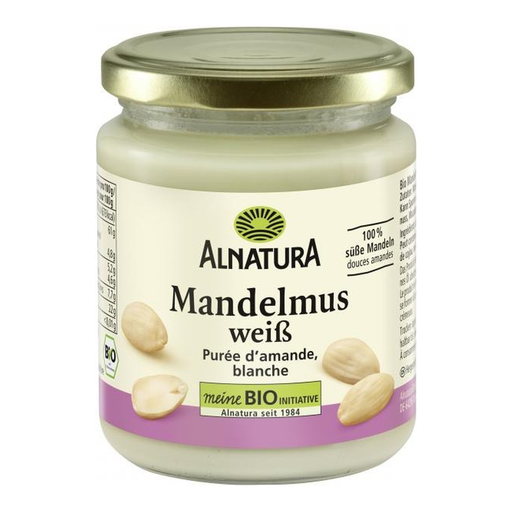 No image available
Consider this as an alternative to whole nuts for a nursery lunch, provided the setting allows nuts and allergy information has been checked.
White variety; 250 g pack. Compare the ingredients, allergen labelling and nutrition information on the pack with the nursery’s requirements.
No. Whole nuts should not be given to toddlers because of the risk of choking, as the Federal Institute of Public Health warns. Ask the nursery whether a nut ingredient in another format is allowed under its rules.
The main allergens in food served in nurseries must be declared; the consumer advice centre recommends keeping a written record. Ask the setting what information it needs about the specific product and whether nuts are allowed.
For solid foods, ‘low fat’ means a fat content of no more than 3 g per 100 g, as explained by the consumer advice centre. On its own, the claim doesn’t tell you whether the format, ingredients and allergens make the product suitable for a nursery lunch, so check the rest of the information on the pack too.