What should you look for when shopping?
When choosing nuts for your office lunch, first check which ingredients are suitable for you. Then compare protein, salt and how practical the specific pack is to use.
| What to consider |
What to check when buying |
Who it matters most to |
| Protein content |
Compare protein per 100 g, and check the energy and salt figures for the same variety. |
If I want to add nuts with a higher protein content to my lunch, I need nutritional information that I can compare. Around 33% of consumers would make protein content their main reason for buying. |
| Salt and ingredients |
Check the salt per 100 g, as well as the ingredients list and seasoning for the specific variety. |
If my lunch is already savoury, I want to decide for myself whether salted nuts are a good fit. For around 27% of consumers, salt and ingredients would come first. |
| Packaging and storage |
Check the pack size, whether it can be resealed and how to store it after opening. |
Between the office and home, I need a pack I can finish and store properly. For around 20% of consumers, ease of use would be the most important reason for buying. |
| Allergens and traces |
Check whether the pack contains peanuts or specific tree nuts, and read any precautionary allergen labelling on the current pack. |
In a shared office kitchen, I need to know which ingredients matter to the people eating with me. Around 20% of consumers would make checking allergens a priority. |
Nut products for different lunch plans
These Joybuy products suit different uses: a roasted nut selection, peanuts and cashews for snacking, and almonds whose form you should check against your lunch plans. In particular, compare the current pack for nutritional information, ingredients and allergens.
 No image available
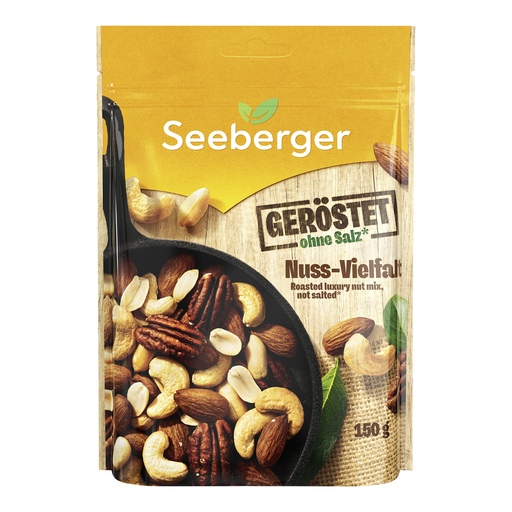
Seeberger Roasted Nut Selection 150 g
A roasted nut mix to enjoy alongside your lunch. The pack contains 150 g; before sharing, check which types of nuts it contains and whether it carries any precautionary allergen labelling.
View at Joybuy
 No image available
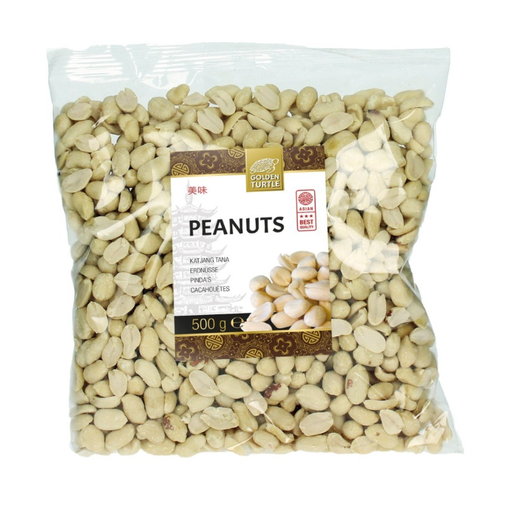
Golden Turtle Peanuts snack 500 g
A larger pack for anyone planning to keep peanuts on hand. At 500 g, it’s worth thinking about how quickly you’ll use them after opening: the product description recommends consuming them within five days. Check the current allergen information too.
View at Joybuy
 No image available
Seeberger Unsalted Roasted Cashew Kernels 150 g
A roasted cashew snack if you’re looking for an unsalted option. The pack contains 150 g; check the nutritional information to compare salt content, and follow the pack instructions for storage.
View at Joybuy
 No image available
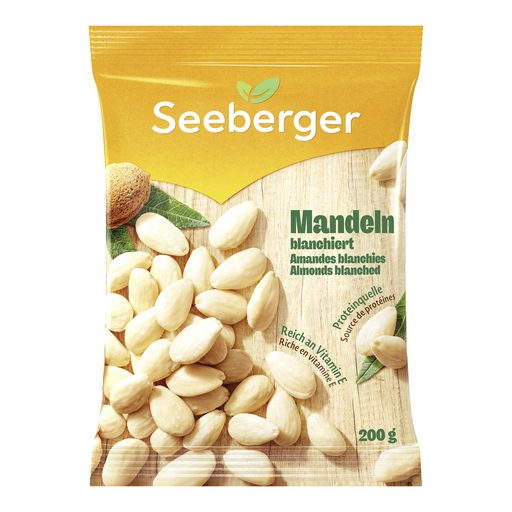
Seeberger Blanched Whole Almonds 200 g
For a lunch that calls for whole, blanched almonds. The pack contains 200 g; if you’re sharing, pay particular attention to the allergen information and any precautionary labelling.
View at Joybuy
 No image available
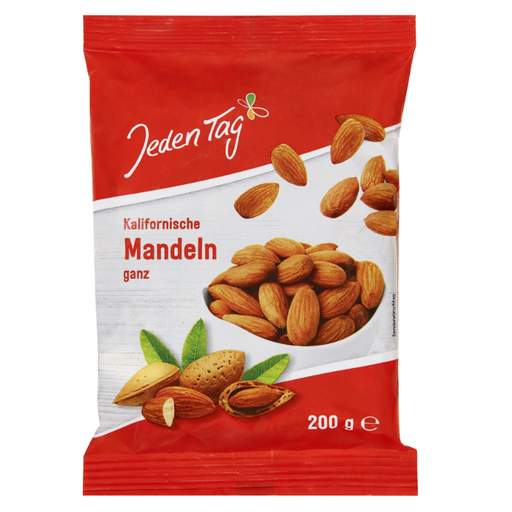
Jeden Tag Whole California Almonds 200 g
For adding almonds to a lunch you’ve prepared in advance. Before buying, check whether the 200 g pack contains whole or ground almonds: the title and product description give different details about the form. This will determine whether they’re right for how you plan to use them.
View at Joybuy
Frequently asked questions
Does a high protein figure per 100 g automatically mean “high protein”?
No, the figure in grams isn’t enough on its own. Under EU Regulation (EC) No 1924/2006, at least 20% of a food’s total energy value must come from protein for it to be described as “high protein”.
Do I automatically need more protein from nuts if I do recreational sport?
Not necessarily. The German Nutrition Society says that adults who do sport at a recreational level, training at a moderate intensity for 30 minutes four to five times a week, don’t have an increased protein requirement. So don’t choose nuts solely because of general advice about sport.
Are peanuts and almonds treated as the same allergen?
No. Peanuts and tree nuts are listed separately, and almonds are classified as tree nuts. If you’re choosing a product for a shared office kitchen, check the ingredients specifically named on the pack and whether it may contain traces of other allergens.
How should I store opened nuts at the office?
Seal any leftover shelled or chopped nuts in an airtight container and, if possible, store them in the fridge. The Federal Centre for Nutrition also recommends checking nuts that have been open for a while for their appearance, smell and taste.
Is the online product description enough if I have an allergy?
No, check the information on the current pack. EDEKA notes that online information for the products compared may differ from the packaging. The ingredients, allergens and precautionary allergen labelling on the pack are what matter when making your choice.


