Cashews and almonds shouldn’t automatically be classed as low-calorie: two plain EDEKA products contain 603 and 619 kcal per 100 g respectively. So, for an office snack, the portion you actually serve yourself is what matters. If you’re choosing between plain, roasted and mixed varieties, check the ingredients and salt content too. And if you’re sharing with colleagues, make sure allergen information is available.
Which criteria matter to you?
For anyone planning their snack portions
If you’d rather not eat straight from a large pack at your desk, compare the energy per 100 g and calculate it for the amount you’ve served yourself. A portion size on the pack is only useful if it matches the portion you actually eat.
For anyone keeping an eye on ingredients and salt
Want that roasted flavour but prefer to decide for yourself whether salt or oil is added? The word ‘roasted’ won’t tell you. The ingredients list and nutritional information for the specific product are more helpful.
For teams sharing snacks
In a shared office kitchen, colleagues need to be able to check the ingredients and allergen information before helping themselves. Leave the current packaging beside the snack or make its details easy to read; don’t assume a product is suitable for someone with an allergy based on its name alone.
What should you look for when buying?
When choosing nuts for a calorie-conscious day at the office, start with the portion you plan to eat. Then check the specific recipe to see whether plain nuts, a roasted variety or a mix best suits your needs.
| Criteria |
What to check when buying |
Who it matters to |
| Energy per portion |
Compare the kcal per 100 g and calculate the figure for the amount you serve yourself. Any stated portion size applies only to that particular product. |
I want to snack at my desk without losing track of how much I’ve served myself. For around 36% of consumers, planning portions is the top priority. |
| Ingredients and salt |
Check the ingredients list and salt content per 100 g; ‘roasted’ doesn’t automatically mean ‘no added oil or salt’. |
If I’m looking for a simple recipe, I want to check for salt, oil and other ingredients before choosing. Around 29% of consumers consider this their most important criterion. |
| Flavour and type of snack |
Choose between plain nuts, roasted varieties and seasoned mixes; if you’re buying a mix, check the full ingredients list too. |
A snack needs to taste good during my working day, even if that means considering a different recipe. For around 21% of consumers, this is the deciding factor. |
| Sharing with colleagues |
Check the ingredients, highlighted allergens and ‘may contain’ information on the current pack, and make sure these details are easy to access. |
Before putting snacks out for colleagues, I want to be able to show them the labelling. This is a priority for around 14% of consumers. |
Common buying mistakes
-
Assuming ‘fewer calories’ means ‘low-calorie’
According to EDEKA, one plain EDEKA cashew product contains 603 kcal per 100 g. Even if a product has a lower figure in a direct comparison, the amount you eat from the pack is still what matters.
Compare the nutritional information per 100 g and calculate it for your planned snack portion, rather than simply comparing the figures on different packs.
-
Assuming roasted nuts are plain
The recipes for two EDEKA cashew products differ: according to EDEKA, the plain variety contains 0 g of salt per 100 g, while the roasted and salted variety contains 1 g per 100 g and also has rapeseed oil added.
Check the ingredients list and salt content for the specific variety. If you want to avoid added ingredients, don’t rely on the word ‘roasted’ alone.
-
Putting out nuts for colleagues without the labelling
If nuts are served in an open bowl, other people can’t check the ingredients and allergen information for the variety you’ve bought. The name alone doesn’t reveal all the ingredients, especially in a mixed snack.
Leave the original pack beside the bowl or make the ingredients and allergen information easy to read. If someone has a known allergy, they should be able to check the current labelling.
-
Relying on one particular variety for your office snacks
EDEKA notes that some products may not be available in every store. ALDI SÜD says that promotional products are available for a limited time.
If you regularly buy snacks, decide which features matter to you – such as plain almonds or cashews with no added salt – and check the ingredients and nutritional information again if you choose a different product.
Relevant brands and own-label ranges
EDEKA Herzstücke / EDEKA Bio / GUT&GÜNSTIG
These EDEKA ranges include examples of plain cashews and almonds, as well as roasted and salted cashews.
- For its plain cashews, EDEKA lists 603 kcal and 0 g of salt per 100 g; its roasted and salted organic cashews contain 612 kcal and 1 g of salt per 100 g.
- EDEKA notes that some products may not be available everywhere and that the information on the pack may differ from what’s shown on its website.
REWE Beste Wahl
The roasted and salted almonds in this REWE range are an example with nutritional information per 100 g and per stated portion.
- For this product, REWE lists 617 kcal per 100 g and 154 kcal per 25 g portion.
- The almonds are salted; REWE lists 0.7 g of salt per 100 g. Bear in mind that the recipe differs if you’re comparing them with plain almonds.
Seeberger
Seeberger sells roasted cashews for anyone looking for a roasted flavour without added salt.
- According to Seeberger, the cashews described are roasted without added salt, oil or other ingredients.
- When choosing, always check the ingredients, nutritional information and allergen details on the specific pack you’re buying.
FARMER NATURALS / ALDI SÜD
ALDI SÜD sells a range of products under FARMER NATURALS, including plain almonds and cashews, as well as nut mixes.
- The product range gives you a choice between individual types of nuts and mixes.
- ALDI SÜD notes that promotional products are available for a limited time. Check the ingredients and nutritional information for the specific product.
Nut snacks and chestnuts at Joybuy
This selection includes chestnuts, a nut snack, roasted cashews and plain almonds. Start by choosing the type of snack you want, then compare the nutritional information on the specific pack with your planned portion.
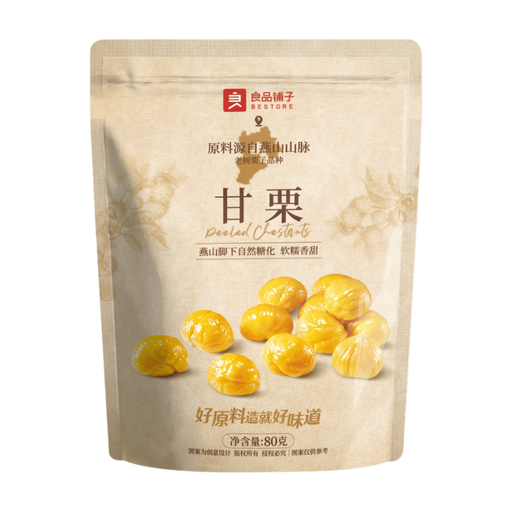 Image unavailable
Bestore edible chestnuts, 80 g
If you’re considering chestnuts instead of cashews or almonds for an office snack, compare their nutritional information separately. The pack contains 80 g; you can decide how much to serve yourself as a snack.
If you’re sharing them at work, make sure the ingredients and allergen information on the current packaging are available.
View at Joybuy
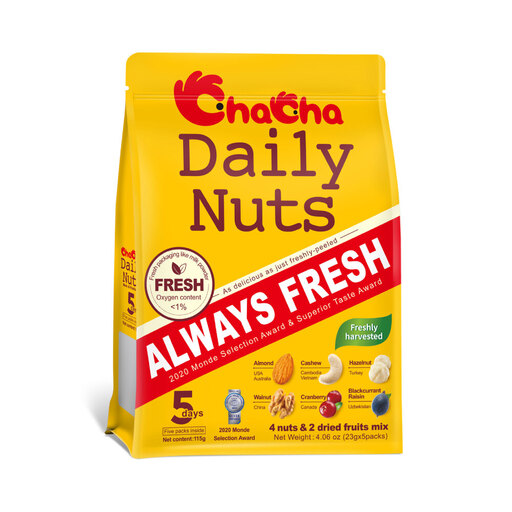 Image unavailable
Cha Cha Daily Nuts, 115 g
If you’d like a nut snack at your desk rather than a single type of nut, check the ingredients in the 115 g pack of Cha Cha Daily Nuts. With mixed snacks in particular, it’s important to know what else they contain.
Compare the energy content with the amount you plan to eat, and have the allergen information to hand if you’re sharing.
View at Joybuy
 Image unavailable
Seeberger roasted cashew kernels with no added salt, 150 g
This 150 g pack is a good option if you’re looking for roasted cashews with no added salt. According to Seeberger, the roasted cashews described are made without added salt or oil; check the details on the specific pack.
Here too, compare the energy content against the portion you serve yourself. If you’re sharing them, make sure the allergen information is available.
View at Joybuy
 Image unavailable
Seeberger whole plain almonds Extra, 500 g
If you prefer plain almonds and want to serve yourself a portion at the office, this variety comes in a 500 g pack. Compare the nutritional information per 100 g with the amount you take from the pack.
If you’re sharing the pack with colleagues, make sure the ingredients and any ‘may contain’ information on the current packaging can be checked.
View at Joybuy
Frequently asked questions
Are cashews or almonds lower in calories?
According to EDEKA, its two plain products contain 603 kcal per 100 g for the cashews and 619 kcal per 100 g for the almonds. These figures apply to those specific products, not every type of cashew or almond. For an office snack, how much you serve yourself matters too.
Are roasted nuts always salted?
No. ‘Roasted’ on its own doesn’t tell you whether salt has been added. Seeberger describes roasted cashews with no added salt or oil, while EDEKA’s roasted organic cashews contain rapeseed oil and salt, according to EDEKA. So always check the ingredients list on the specific pack.
How can I plan a portion of nuts for the working day?
Serve yourself the amount you want to eat, then use the energy information per 100 g to calculate the figure for your portion. As an example of a stated portion size, REWE lists 154 kcal per 25 g for its roasted and salted almonds. This applies to that specific product and its stated portion size.
What should I bear in mind when sharing nuts at work?
Make the ingredients and allergen information on the current pack available to everyone before putting out nuts or mixes. The Verbraucherzentrale explains that labelling on packaged foods provides information about ingredients and allergens, among other things. Without the packaging, this information can easily be lost when snacks are served in an open bowl.


