What should you look for when buying?
Start by comparing products using the same quantity and checking their ingredients. Then think about the portion for the lunchbox. Allergen information and school rules should be checked separately, regardless of energy value.
| Criterion | What to check | Who it matters to |
|---|
| Energy value |
Compare kcal per 100 g on the nutritional information, not different portion sizes. |
When choosing between nut products, I want to compare their energy values on the same basis. Around 36% of consumers prioritise this comparison. |
| Ingredients |
Check the ingredients list for sugar, honey, oil and salt; compare sugar and salt per 100 g if needed. |
For the lunchbox, I’m looking for nuts with a short ingredients list rather than a sweet or salted mix. Around 29% of consumers prioritise this. |
| Portion |
Pack a small amount separately for the lunchbox instead of sending the whole pack. |
It’s important to me that the nuts go well with the rest of my child’s lunch and suit the amount they’ll be taking. Portion size is the most important criterion for around 21% of consumers. |
| Allergens and school rules |
Read the current ingredients and precautionary allergen information, and check the specific class or school rules. |
Before putting nuts in the lunchbox, I need to take any known allergy and the school’s rules into account. Around 14% of consumers put this check first. |
Nut products at Joybuy
This selection includes unflavoured and roasted nut products, as well as raw peanut kernels. For a school lunchbox, the main differences are the ingredients, whether any preparation is needed and how much you take from the pack.
 No image available
Seeberger roasted unsalted cashew nuts, 150 g
An option if you’re looking for roasted cashew nuts without added salt. Portion some separately for the lunchbox and check the allergen information on the current packaging.
 No image available
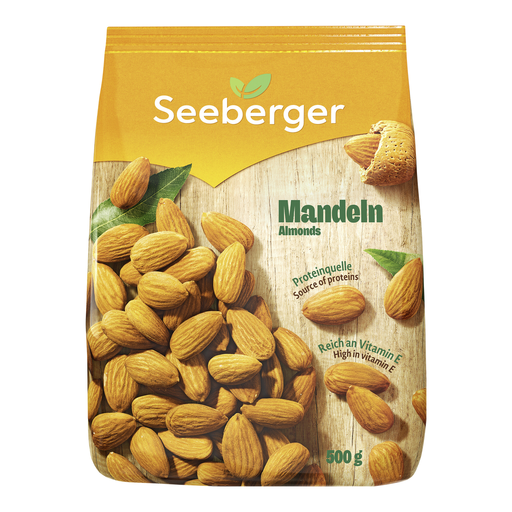
Seeberger whole unflavoured almonds Extra, 500 g
For comparing whole, unflavoured almonds. Take a small amount from the 500 g pack for the lunchbox, and check the ingredients and allergen information on the current packaging.
 No image available
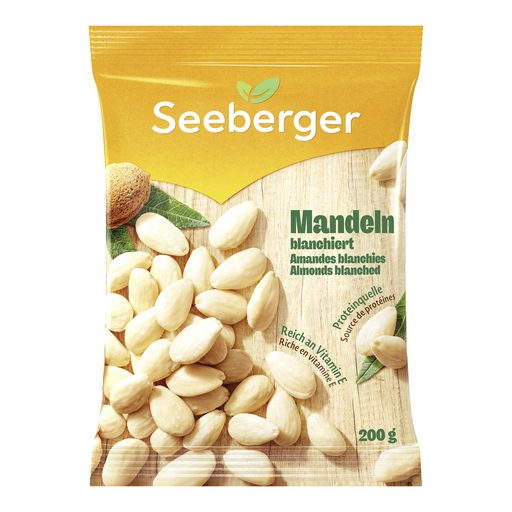
Seeberger whole blanched almonds, 200 g
An almond option if you’d prefer blanched rather than whole unflavoured almonds. Portion them separately for the lunchbox and read the ingredients and allergen information on the pack.
 No image available
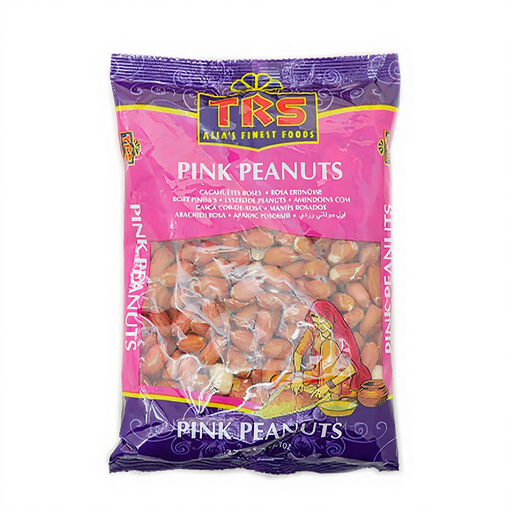
TRS Peanuts Kernels Pink, 375 g
These peanut kernels are described as raw and aren’t specifically labelled as ready-to-eat snacks. Check the preparation and allergen information on the current packaging before packing them.
 No image available
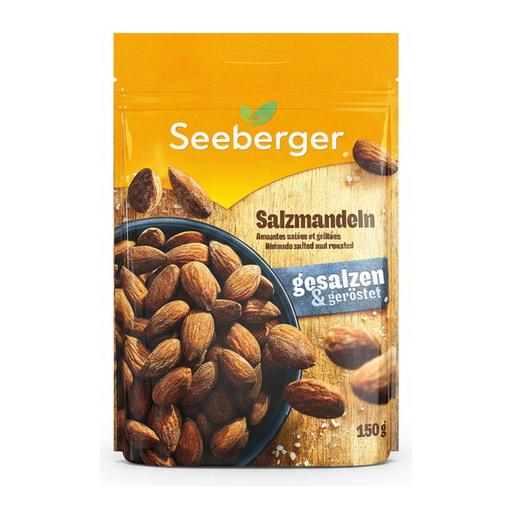
Seeberger roasted and salted almonds, 150 g
An option if you’re looking for roasted almonds and are happy to have added salt. Before comparing them with unflavoured varieties, read the ingredients and nutritional information on the current packaging, and portion them separately.
Frequently asked questions
Are nuts with slightly fewer kcal low in energy?
No. Having a lower energy value than other nuts doesn’t automatically make a product low in energy. The almond and cashew products considered here from REWE and EDEKA range from 596 to 609 kcal per 100 g, so compare values per 100 g and plan the amount for the lunchbox separately.
How can I spot added ingredients in nut products?
The ingredients list shows whether sugar, honey, oil or salt, for example, have been added to the nuts. For its unflavoured GUT&GÜNSTIG cashew nuts, EDEKA lists only cashew nuts, while other nut products considered here contain additional ingredients.
How much should I pack for a school lunchbox?
Pack a small amount separately from the main pack and take the rest of the lunch into account. The Verbraucherzentrale suggests using the child’s hand size as a guide to portion sizes, rather than setting one standard amount for every child.
What allergen information should I check on the pack?
Read the current ingredients list for peanuts and tree nuts, as well as any information about possible traces. According to Lebensmittelverband Deutschland, a precautionary trace warning refers to possible unintentional presence and isn’t the same as an ingredient being included. If there’s a known allergy, follow individual medical advice.


