Active pupils, students and university students
If you pack nuts for breaks and training days, compare the protein content per 100 g and in the portion you actually plan to eat. Values vary depending on the type of nut and product.


Almonds and peanuts are options for a protein-focused snack between lessons, while a nut mix is a good choice if you want some variety. Check the nutrition information per 100 g and per planned portion, as well as the ingredients, salt and allergen information on the specific pack. You can’t determine whether a product qualifies as “high protein” from the grams of protein per 100 g alone.
If you pack nuts for breaks and training days, compare the protein content per 100 g and in the portion you actually plan to eat. Values vary depending on the type of nut and product.
For snacks at school or childcare, check the ingredients and allergen information on every pack. Nut mixes may contain several tree nuts, and you should also check for warnings about possible traces.
If you pack nuts regularly, check the salt and ingredients as well as the protein content. Roasted doesn’t automatically mean salted, so check the information for the specific variety.
For the start of the school year, check allergens first. Then compare protein and salt using the same basis, and consider pack size and where you can buy the product.
| Criterion | What to check | Who should pay particular attention? |
|---|---|---|
| Protein | Compare protein per 100 g and in your planned portion; don’t assume the grams alone mean the product qualifies as “high protein”. | If I pack nuts for training days, I want to know how much protein my portion contains. Around 29% of consumers prioritise this comparison. |
| Allergens | Check the ingredients, highlighted allergens and possible traces on every pack. | For a snack at school or childcare, I need to know which peanuts or tree nuts it may contain. Around 29% of consumers put checking allergens first. |
| Salt and ingredients | Compare salt per 100 g and read the ingredients list for roasted or seasoned varieties. | When packing a regular snack, I want to be able to tell plain varieties apart from salted ones. Around 24% of consumers make this their main consideration. |
| School routine and shopping | Check the pack size, best-before date and availability at your local shop or in your delivery area. | If I’m buying snacks for several school days, I need a suitable pack size and a convenient way to shop. For around 18% of consumers, this practical consideration comes first. |
The figure per 100 g alone doesn’t prove that the regulated “high protein” claim is permitted. Under EU Regulation (EC) No 1924/2006, at least 20% of the total energy value must come from protein for a product to make this claim.
Use the protein information to compare products, and check any corresponding claim on the specific pack.
A mix may contain several tree nuts and may also carry warnings about traces of other allergens. This is especially important if you’re packing a snack for someone else.
Read the ingredients, highlighted allergens and trace warnings for the exact variety you’re buying.
REWE states that its organic almonds contain less than 0.01 g of salt per 100 g; according to EDEKA, its EDEKA GUT&GÜNSTIG roasted salted almonds contain 0.98 g per 100 g. Similar protein values don’t mean the salt content is the same.
When choosing nuts for regular breaks, compare protein and salt per 100 g.
These organic almonds are a specific product to compare with mixes and salted varieties.
These roasted salted almonds offer a specific point of comparison for protein and salt.
Lidl’s Alesto range includes both natural nuts and seasoned snack products.
ALDI Nord lists walnut kernels and salted macadamias as specific nut products.
Seeberger publishes reference figures for the protein content of different types of nuts.
This selection includes peanuts, cashews, a roasted nut mix and salted pistachios for a range of between-lesson snacks. Before buying, compare the nutrition and allergen information on each pack.
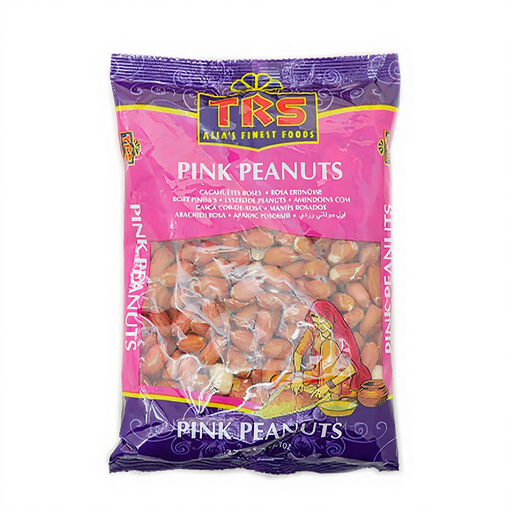 Image unavailable
For making your own peanut snacks to take with you; the pack contains 375 g. If you have allergies, check the ingredients and trace warnings on the specific pack.
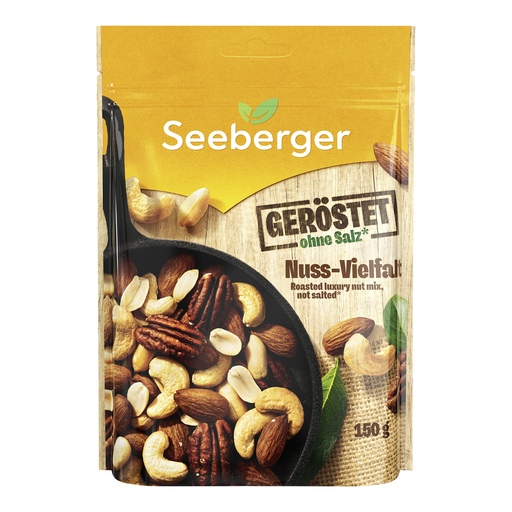 Image unavailable
A roasted nut selection for anyone who’d like a mix rather than a single variety to take along; the pack contains 150 g. Check the ingredients list to see which types of nuts are included.
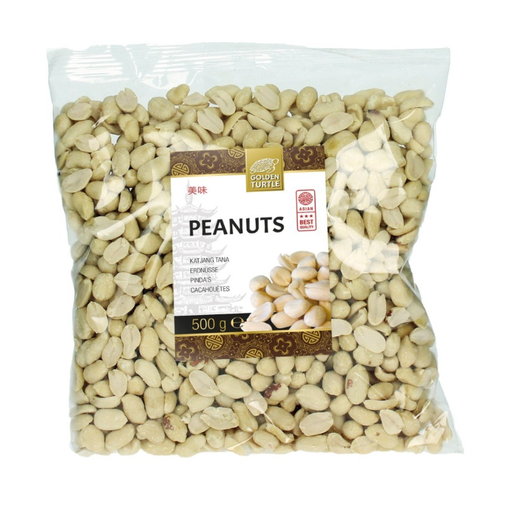 Image unavailable
Peanuts in a 500 g pack for making up your own portions for breaks. Compare protein and salt using the information on the pack, and check the allergen warnings.
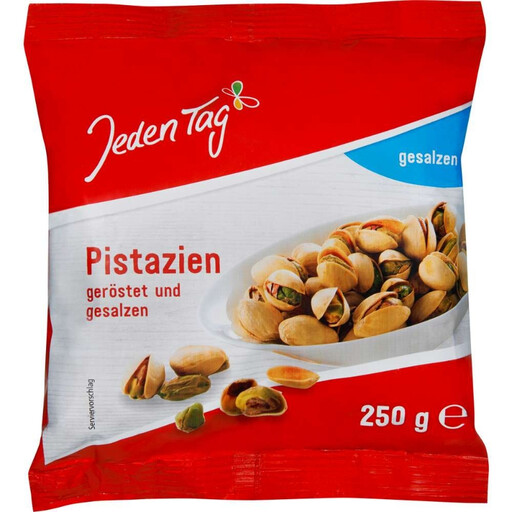 Image unavailable
For anyone who fancies roasted pistachios in their shells as a savoury snack; the pack contains 250 g. If salt is important to you, compare the amount per 100 g with other varieties.
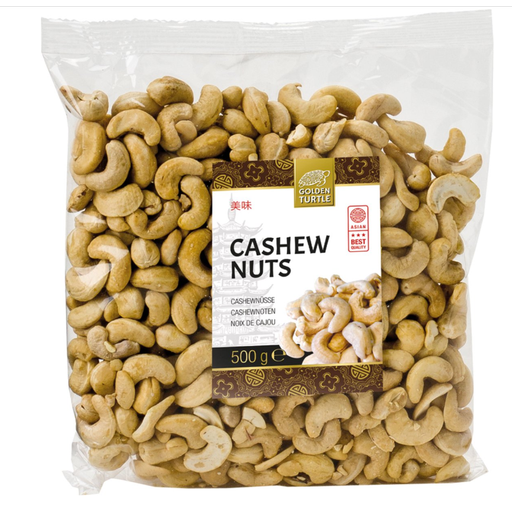 Image unavailable
Cashew kernels in a 500 g pack for making your own snack portions. If comparing them with peanuts or mixes, check the nutrition information, ingredients and allergen warnings.
No. For a product to claim “high protein”, EU Regulation (EC) No 1924/2006 requires at least 20% of its total energy value to come from protein. The protein figure in grams per 100 g alone doesn’t answer this question.
Check every product for labelled peanuts and tree nuts, as well as possible traces. The Federal Ministry of Agriculture, Food and Home Affairs explains the requirement to label relevant allergens; for mixes, check the ingredients and information on the specific pack.
The salt content can vary considerably: REWE states that its organic almonds contain less than 0.01 g of salt per 100 g, while EDEKA says its roasted salted GUT&GÜNSTIG almonds contain 0.98 g per 100 g. Compare the protein and ingredients on the packs too, rather than assuming all almonds are the same.
Choose a pack size that suits how you plan to use it, and check the best-before date and storage instructions. If you have a particular product in mind, also check whether it’s available at your local shop or in your delivery area.