If protein is your priority in a holiday snack for sports activities, compare the nutritional information on the specific packs per 100 g rather than relying on the front of the pack. Seeberger’s overview, for example, lists around 36 g of protein per 100 g for pumpkin seeds, around 27 g for peanuts and around 24 g for almonds. However, pumpkin seeds are seeds, while peanuts are legumes. For toddlers, an appropriate texture matters more than this comparison, and if allergies are a concern, the information on the individual pack should guide your choice.
Who should take care when choosing?
Active people keeping an eye on protein
If you want to take a snack along for holiday activities, you can compare the protein per 100 g, as well as the ingredients, sugar and salt. According to the German Nutrition Society, nuts and legumes are among the plant-based foods that provide protein; a single snack does not determine your individual requirements.
Parents of young children
When choosing a snack for toddlers, the food’s form comes first. The Federal Institute of Public Health warns on kindergesundheit-info.de that whole nuts and other small, hard foods can pose a choking risk for toddlers.
Households managing allergies
If you’re shopping for someone with a confirmed peanut or tree nut allergy, you need to check the ingredients and allergen information on the specific pack. Protein content alone is not a suitable basis for choosing.
What should you look for when buying?
When choosing holiday snacks, first consider who they’re for and how they’ll be eaten. You can then compare protein, ingredients and pack size across suitable products.
| Criterion | What to check | Who it matters to |
|---|
| Protein per 100 g |
Compare the protein per 100 g for the same product type, and check whether you’re buying plain nuts or seeds, or a mix. |
If protein is my main reason for choosing a snack, I want to compare varieties using the information on the specific pack. This is the top priority for around 29% of consumers. |
| Suitable form for children |
Check the child’s age and the texture: don’t plan to give toddlers whole nuts; any processed alternative must be suitable for the child and the dish. |
For a toddler, I’m looking for a form that isn’t eaten as a whole, hard nut. This is a priority for around 29% of consumers. |
| Ingredients, sugar and salt |
Read the ingredients list and check the sugar and salt per 100 g, particularly for sweetened, seasoned or mixed snacks. |
For a few days away, I want to know what else is in the pack besides nuts or seeds. Around 24% of consumers prioritise the ingredients. |
| Pack size and shopping |
Choose a pack size that suits how you plan to use it, and check what’s available at your specific shop or on the regionalised website. |
Before a day out, I want to buy an amount that’s easy to take with me or portion out at home. This practical consideration is the main priority for around 18% of consumers. |
Common mistakes when choosing
-
Focusing only on “high protein”
A prominent protein claim is no substitute for checking the rest of the nutritional information and the ingredients. A nut snack and a processed bar can differ in their ingredients and consumption advice.
Compare protein, sugar and salt per 100 g, and read the ingredients list. The consumer advice centre points out that you can check the actual sugar content in the nutritional information.
-
Packing whole nuts for toddlers
Whole nuts and other small, hard foods pose a choking risk for toddlers. A high protein content doesn’t change that.
Don’t pack whole nuts for toddlers. If you choose a processed alternative, make sure it has a texture suitable for their age; even fine, dry nut flour isn’t automatically suitable as a snack.
-
Judging allergens by the front of the pack alone
Peanuts and tree nuts need to be distinguished when choosing a product. Lebensmittelklarheit also explains that a statement such as “May contain nuts” does not indicate an amount or a reliable level of risk.
If you have a confirmed allergy, read the ingredients and allergen information on every specific pack. The individual medical advice given to the person with the allergy should always take precedence.
-
Assuming a listed product is available everywhere
Product ranges and pack sizes can vary between retailers, regions and promotions. A retailer overview is no substitute for checking what’s available at the shop where you’re buying.
Check the available pack size there, then read the ingredients and nutritional information on the product you actually choose.
Brands and retailers to consider
Seeberger
Seeberger offers plain nuts and seeds, including almonds, peanuts and hulled pumpkin seeds.
- Seeberger’s range overview lists protein values per 100 g and can help you compare different ingredients.
- These are brand figures for the overview, not the nutritional information for every individual pack.
Alesto
According to Lidl, its brand includes plain nuts and dried fruit, as well as seasoned party snacks.
- You can choose from different product types to suit how you plan to use them.
- For seasoned or mixed varieties, check the ingredients, sugar and salt individually.
EDEKA Bio und EDEKA-Eigenmarken
EDEKA offers cashews in a range of recipes, including plain, roasted and salted varieties.
- For EDEKA Bio Cashew Nuts 200 g, EDEKA lists 20.4 g of protein and 0.02 g of salt per 100 g.
- These figures apply to this product; when buying, check the information on the specific pack.
ALDI Nord und ALDI SÜD
Both retailers sell nuts, seeds and mixes, but their ranges are not identical.
- The retailers’ overviews show a range of single ingredients and snack mixes to compare.
- For a specific product, check the range and pack information at the shop where you’re buying.
REWE und REWE Bio
The REWE range includes almonds from different brands and in different styles.
- Plain, roasted and sweetened varieties can be compared by checking their ingredients and nutritional information.
- Whether a particular variety is available depends on where you shop.
Suitable products on Joybuy
This selection includes pumpkin seeds, a seed mix, peanuts, cashews and almonds for different holiday snacks. Check the information on each product’s pack, especially if allergens or suitability for young children are a concern.
 No image available
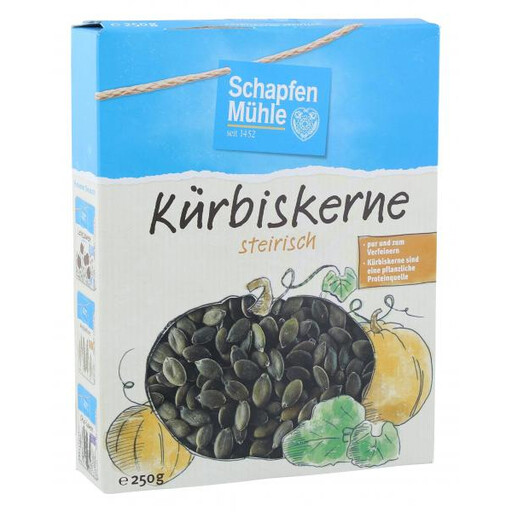
SchapfenMühle Styrian pumpkin seeds, 250 g
A seed option if you’re not limiting your holiday snack to botanical nuts. Compare the protein information on this pack with the alternatives, and check that the preparation is suitable for young children.
View on Joybuy
 No image available
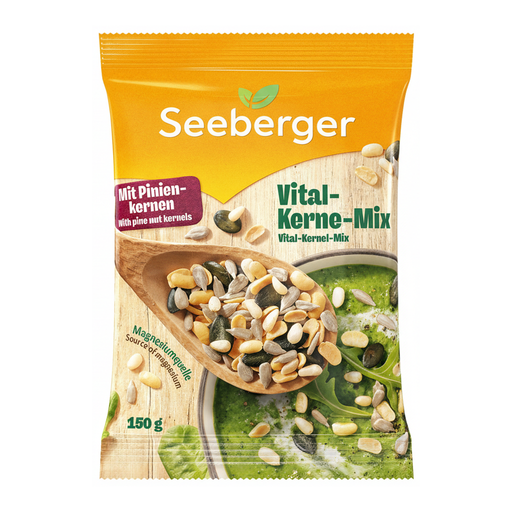
Seeberger Vital Salad Seed & Kernel Mix, 150 g
A 150-g seed mix for anyone looking for a blend rather than a single variety. Don’t compare its nutritional information with that of plain pumpkin seeds without checking the details, and read the ingredients and precautionary allergen information if allergies are a concern.
View on Joybuy
 No image available
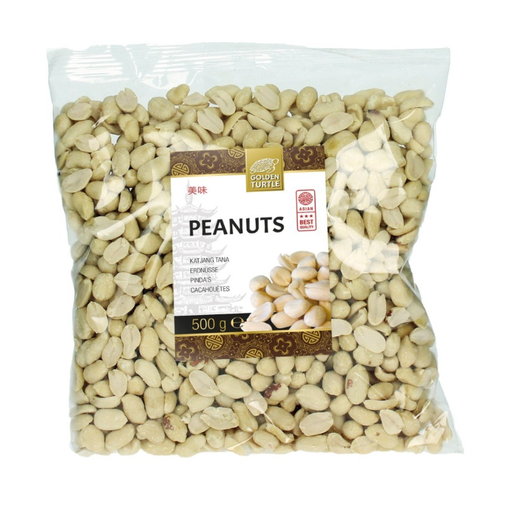
Golden Turtle Peanuts Snack, 500 g
This 500-g pack is an option if you’re planning to snack on peanuts. Peanuts are legumes and a significant allergen; before eating, also check the pack’s preparation and storage instructions.
View on Joybuy
 No image available
Seeberger roasted, unsalted cashews, 150 g
This 150-g pack offers a roasted cashew option with no added salt, as stated in the product name. If protein is the deciding factor, compare the value per 100 g on the pack with other varieties; if you have an allergy, check the labelling.
View on Joybuy
 No image available
Seeberger Whole Natural Almonds Extra, 500 g
Whole almonds in a 500-g pack are a good option if you’re planning to stock up. Whole almonds aren’t a suitable snack for toddlers; if you have a tree nut allergy, the pack’s labelling is essential.
View on Joybuy
Frequently asked questions
Why compare pumpkin seeds and peanuts with nuts?
They may both be suitable ingredients for the same holiday snack, but botanically they aren’t tree nuts: pumpkin seeds are seeds, while peanuts are legumes. Seeberger’s overview lists protein values per 100 g for both; when you’re buying, the nutritional information for the specific product is what matters.
Are whole nuts a suitable holiday snack for toddlers?
No. The Federal Institute of Public Health warns that whole nuts pose a choking risk for toddlers. A processed alternative needs to have a suitable texture; fine, dry nut flour shouldn’t simply be offered without being prepared.
What should I check if I have a peanut or tree nut allergy?
Check the ingredients and allergen information on each specific pack, and follow your individual medical advice. According to Lebensmittelklarheit, a statement such as “May contain nuts” does not tell you a specific amount or the precise risk from possible traces.
Is a protein bar with nuts the same as a pack of nuts?
No. A processed bar may contain different ingredients and have different consumption advice. For example, ALDI SÜD warns that one of its high-protein bars may have a laxative effect if eaten in excess. So compare the ingredients and nutritional information for the specific bar with those of the nuts, rather than looking at protein alone.


