Active people prioritising protein
You’re looking for nuts or seeds to snack on around your training days and want to compare the protein content per 100 g. Ingredients and salt content matter just as much as a product’s name.


If protein content is your priority when moving into a student house share, plain peanuts, almonds or pumpkin seeds are a sensible starting point for comparison. The key is to check the nutritional information on the specific pack. Trail mix and seasoned blends offer different flavours, but they don’t automatically contain more protein. If you’re stocking up together, you’ll also need to consider ingredients, allergens and how to store the food after opening.
You’re looking for nuts or seeds to snack on around your training days and want to compare the protein content per 100 g. Ingredients and salt content matter just as much as a product’s name.
You’re shopping for several people and want to choose a pack size you’ll actually get through. Once opened, the contents should be easy for everyone to store properly.
You’re choosing between plain, fruity and salted options. With blends that will be shared, in particular, check the ingredients, allergen information and any warnings about possible traces on the pack.
When choosing nuts and seeds for a student house share, start with the type of snack you want. A plain product needs to be assessed differently from trail mix or a seasoned blend. Then use the information on the specific pack to compare your options.
A good choice if: Protein content is your priority and you want to compare individual varieties.
Worth bearing in mind: Seeberger’s comparison of different varieties is no substitute for the nutritional information on a specific pack. Pumpkin seeds are also seeds, not nuts.
A good choice if: You’d like a nut and fruit mix, and protein isn’t your only selection criterion.
Worth bearing in mind: Protein content depends on the ingredients. Even varieties without raisins are still blends with their own recipes.
A good choice if: A savoury flavour matters more than a short ingredients list for your shared snack.
Worth bearing in mind: Depending on the recipe, the mix may contain oil, salt and several allergenic ingredients.
When shopping for your house share, training and sharing snacks may be different priorities. The percentages below group consumers according to their main concern.
| Criterion | What to check | Who is it important for? |
|---|---|---|
| Protein and variety | Compare the protein per 100 g and the ingredients on the specific pack. | When choosing a snack for training days, I don’t want to guess the protein content from the product name. For around 36% of consumers, this comparison comes first. |
| Pack size and storage | Choose a pack size that suits how much everyone will eat, and plan how to store it after opening. | A larger pack only works for me if the house share will use it regularly and can store it properly; around 29% of consumers prioritise this need. |
| Ingredients | For blends, check the ingredients list and the sugar and salt information. | For our snack, I want to know whether it’s plain, fruity or salted, even if protein isn’t my first consideration. Around 21% of consumers put the ingredients first. |
| Allergens and storage | Read allergen and possible-trace warnings, and make sure you have a suitable place to store opened packs. | Before we share a supply, we need to know who can eat the mix and how we’ll store it. This is the main concern for around 14% of consumers. |
The name doesn’t indicate a fixed nutritional make-up. ALDI SÜD lists 14 g of protein per 100 g for its classic trail mix, while EDEKA lists 20 g per 100 g for a roasted and salted nut mix. These figures refer to two different products, not to all mixes.
Compare the protein per 100 g and ingredients on the packs you’re actually choosing between.
Once opened, shelled or chopped nuts need to be stored appropriately. The Consumer Advice Centre recommends keeping opened products like these in a container in the fridge.
Choose a quantity that suits how much everyone will eat, and transfer opened food to a suitable container. Don’t eat nuts that are mouldy or smell musty or rancid.
If a large pack isn’t used in time or is stored incorrectly, some of it may go to waste.
A nut mix can contain several relevant ingredients. EDEKA lists peanuts, almonds, cashews and hazelnuts in its roasted and salted mix, as well as possible traces of other tree nuts.
Talk about allergies before you shop together, read the information on the specific pack and keep the label if you transfer the contents to another container.
Seeberger stocks plain nuts and seeds, mixes and a range of pack sizes.
EDEKA offers nut mixes, among other products, with ingredient and nutritional information.
REWE stocks trail mix in different varieties, including blends with and without raisins.
Lidl’s Alesto range includes plain cashews and almonds, as well as other nut and snack options.
ALDI SÜD’s FARMER NATURALS range includes plain nuts, trail mix and other blends in a variety of pack sizes.
This Joybuy selection includes individual pumpkin seed, almond and peanut products, as well as a seed and kernel mix. For your house-share supplies, compare the nutritional and ingredient information on each pack. Pumpkin seeds and seed mixes aren’t products made solely from nuts.
 No image available
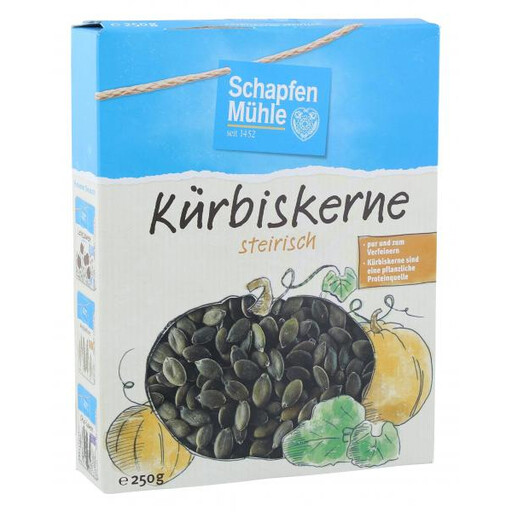
A single variety of seed for anyone who’d prefer pumpkin seeds to a nut mix. The pack contains 250 g. Check the pack for protein information and possible-trace warnings before comparing.
 No image available
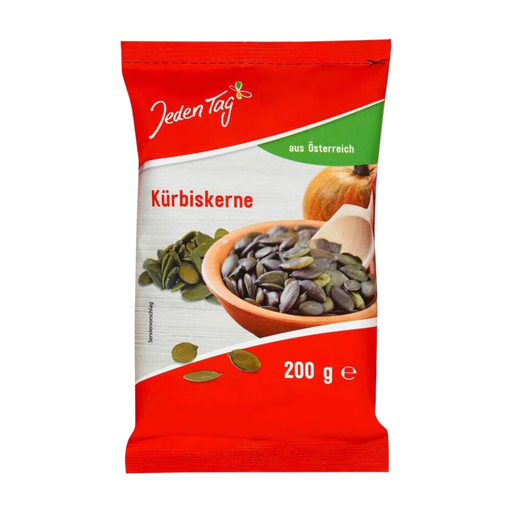
Shelled pumpkin seeds are worth considering if you’re looking for a single variety of seed rather than a mix for your house share. The pack contains 200 g; check the nutritional information and product details on the pack.
 No image available
A 500 g pack of whole almonds could suit a house share that gets through them regularly. Plan how you’ll store them once opened, and if you have allergies, check the information on the specific pack.
 No image available
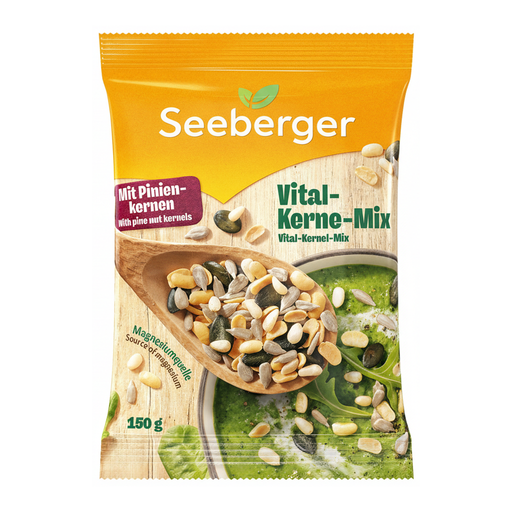
This seed and kernel mix is an option if you don’t want a single variety of nut or seed. The pack contains 150 g; check the ingredients and allergen information before sharing it with your housemates.
 No image available
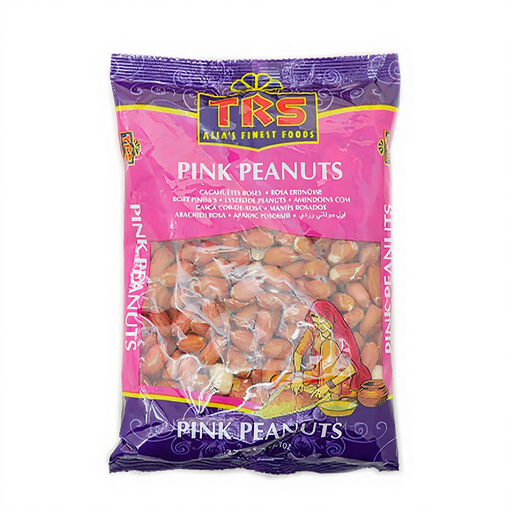
Peanut kernels rather than a mix could work well in a shared kitchen if you’d like to decide how to use them yourselves. The pack contains 375 g; follow the product’s preparation and storage instructions.
Plain pumpkin seeds, peanuts and almonds are good options to start with. In a comparison of varieties, Seeberger lists around 36 g of protein per 100 g for pumpkin seeds, 27 g for peanuts and 24 g for almonds. When buying, always go by the nutritional information on the specific product.
No. You can’t tell the protein content from the name alone. ALDI SÜD lists 14 g of protein per 100 g for its classic trail mix. For another blend, check its own nutritional information and ingredients.
For opened shelled or chopped nuts, the Consumer Advice Centre recommends storing them in a container in the fridge. Keep the product label if you transfer the contents to another container, and don’t eat nuts that are mouldy or smell musty or rancid.
Read the allergen information and any possible-trace warnings on the exact pack you plan to share. EDEKA lists peanuts, almonds, cashews and hazelnuts in its roasted and salted mix; the information may differ for other blends.