What should you look for when buying?
First, decide what matters most to you: a clear protein value, a format that’s ready to eat or control over the ingredients. Then compare the specific packs rather than relying on the product name alone.
| Criterion |
What to check |
Who it matters to |
| Protein per portion |
Compare protein per 100 g and for the amount you’ll actually take with you. |
If I pack nuts or seeds specifically for their protein content, the amount in my portion matters. Around 33% of consumers put this first. |
| Eating on the go |
Check the pack size and how easy it is to portion; look for a resealable pack if needed. |
On my commute, I want to eat without any preparation and take only as much as I need. This is the top priority for around 27% of consumers. |
| Ingredients and allergens |
Read the ingredients list, salt content, and allergen and ‘may contain’ information on the specific pack. |
With a mix, I want to know which nuts, seeds and other ingredients it contains; allergen information is especially important if I have an allergy. Around 20% of consumers prioritise these checks. |
| Pack size for your cupboard |
Compare unit prices only for similar products and choose a pack size that suits your needs. |
If I regularly have nuts for breakfast, I want the amount I buy to match how much I use. Around 20% of consumers put this shopping consideration first. |
Joybuy products for breakfast and on the go
This selection includes pumpkin seeds, a seed and kernel mix, peanuts and almonds. Individual varieties make it easier to compare ingredients; for a mix, check the nutritional information for the product as a whole.
 No image available
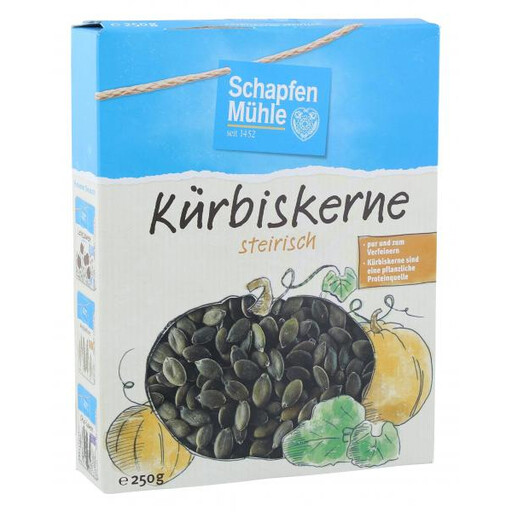
SchapfenMühle Styrian pumpkin seeds, 250 g
A seed option for anyone who wants to add pumpkin seeds to breakfast or take a portion with them.
The pack contains 250 g. Compare the protein value on the pack with your planned portion size and check the allergen information.
View at Joybuy
 No image available
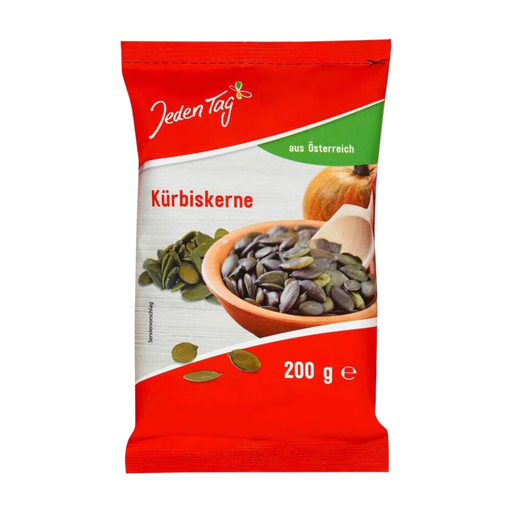
Jeden Tag shelled pumpkin seeds, 200 g
Shelled pumpkin seeds are a single-ingredient option for a quick breakfast or a portion to take with you.
The pack contains 200 g. Follow the instructions on the packaging when portioning and eating, including any guidance on possible shell fragments.
View at Joybuy
 No image available
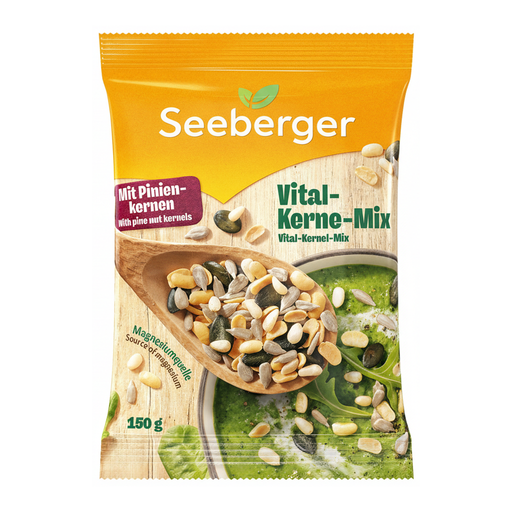
Seeberger Vital Salad Seed & Kernel Mix, 150 g
This seed and kernel mix is an option if you’d prefer several ingredients in your breakfast rather than a single type of seed.
The pack contains 150 g. Compare the nutritional information for the mix as a whole and check the ingredients and allergen information.
View at Joybuy
 No image available
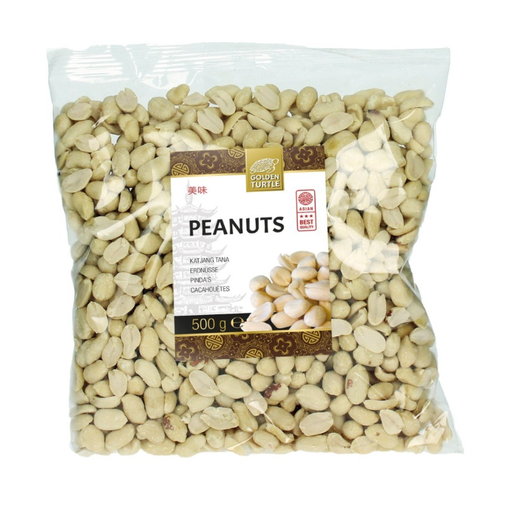
Golden Turtle Peanuts Snack, 500 g
These peanuts are a good fit for a breakfast where you want one type of product rather than a mix.
The pack contains 500 g. Check the preparation and storage instructions before eating; if you’re taking them with you, a smaller portion may be more practical than the whole pack.
View at Joybuy
 No image available
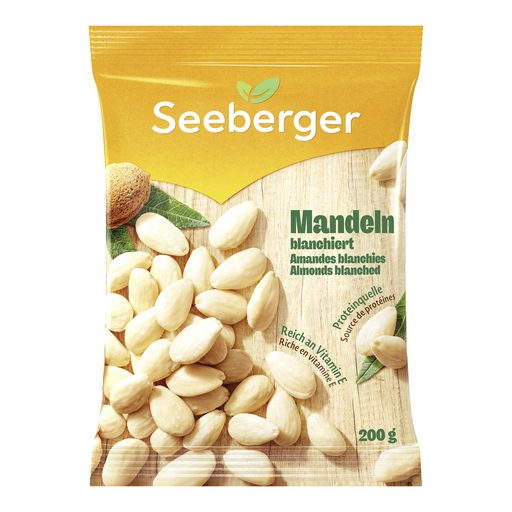
Seeberger blanched whole almonds, 200 g
Whole almonds are an easy-to-identify ingredient, for example as an addition to a breakfast you’ve prepared in advance.
The pack contains 200 g. If you’re focusing on protein, compare the nutritional information for these specific almonds and take account of the portion you’ll have with you.
View at Joybuy
Frequently asked questions
Which nuts or seeds are high in protein?
Of the varieties covered here, Seeberger gives a figure of around 36 g of protein per 100 g for pumpkin seeds, around 27 g for peanuts and around 24 g for almonds. Pumpkin seeds are seeds, while peanuts are legumes; for your portion, check the value on the specific pack.
Can nuts alone replace breakfast after exercise?
Nuts can contribute protein, but on their own they don’t automatically make a complete breakfast. Consider the portion you actually eat and the rest of your meal to decide what role they play in your breakfast.
Why should I check allergens again when buying a nut mix?
A nut mix may contain several tree nuts or peanuts, and information about possible traces can also vary between products. Check the packaging every time you try a new variety, especially if you need to avoid an allergen.
Are roasted nuts less suitable for this breakfast?
Not simply because they’re roasted. Compare the ingredients and nutritional values of the specific variety; for seasoned or salted products, it’s also worth checking the salt content.
How should I store an opened pack for future breakfasts?
Follow the storage instructions for the product in question. REWE recommends storing its ja! unsalted roasted almonds in a dry place and protecting them from heat; for when you’re out and about, you can portion out the amount you need separately.


