What to look for when stocking up
Start by comparing specific products using their nutritional information, rather than assuming a particular type of nut is low in calories. Then check whether the pack size, ingredients and storage requirements suit how much you plan to use.
| Factor |
What to check |
Who it matters to |
| Energy and portions |
Compare the kcal per 100 g and think about how much you’ll take out each time before opening the pack. |
If you often grab a handful from a large pack, it’s worth deciding on your portion size in advance. Around 45% of consumers would put energy content and portion size first. |
| Pack size and how much you use |
Compare the quantity in the pack and the best-before date with how much you expect to use. |
Households that only use larger quantities occasionally will want to avoid leaving too much unused after opening. That’s why around 27% of consumers would prioritise finding the right pack size. |
| Storage after opening |
Check the storage instructions and whether you can seal shelled or chopped nuts tightly and keep them somewhere cool, dry and dark. |
If you’ll be using a pack over several snacks or meals, you’ll want to preserve its flavour and quality. For around 18% of consumers, storage would be the main concern. |
| Ingredients and allergens |
Read the ingredients list, allergen information and any may-contain warnings on the specific pack. |
If particular ingredients or possible cross-contamination affect your choice, the type of nut alone won’t tell you enough. Around 10% of consumers would check this first. |
Brands to compare
The information below relates to specific products or ranges from the brands mentioned. To compare products, look at the nutritional information and ingredients for the particular variant you’re considering, rather than the brand name alone.
FARMER NATURALS
ALDI SÜD’s own-brand range includes a 200 g pack of cashew nuts, making it a useful product to compare.
- ALDI SÜD lists 595 kcal per 100 g for this cashew product.
- This figure can’t be applied to other nuts or variants from the brand.
ja!
REWE’s own-brand range includes unprocessed cashew nuts in a 200 g pack.
- REWE lists 601 kcal per 100 g for this product.
- When choosing this product, check the allergen information and any may-contain warnings on the pack too.
GUT&GÜNSTIG
EDEKA’s own-brand range offers an unprocessed cashew option alongside a roasted and salted version for comparison.
- EDEKA24 lists 603 kcal per 100 g for the unprocessed cashews; EDEKA lists 621 kcal per 100 g for the roasted and salted version.
- The difference between these two products doesn’t allow you to draw general conclusions about other roasted nuts.
Alesto
Lidl’s Alesto range includes unprocessed cashews, as well as other nuts, dried fruit and snack products.
- The range includes different types of products, making it easy to compare ingredients lists.
- For an energy comparison, use the nutritional information for the specific variant you’ve chosen.
Seeberger
Seeberger offers nuts and seeds in a range of pack sizes and varieties.
- Seeberger lists cashew nuts in packs including 200 g, 500 g and 1,500 g.
- With different pack sizes and variants, you’ll need to assess the ingredients, nutritional information and planned usage for each one separately.
Nuts and seeds at Joybuy
This selection includes peanuts, cashews, pumpkin seeds, sunflower seeds and pine nuts in a range of pack sizes. It’s a handy way to compare product types and quantities for stocking up. Which pack suits your snacking or cooking needs will also depend on its current ingredients, nutritional information and storage instructions.
 No image available
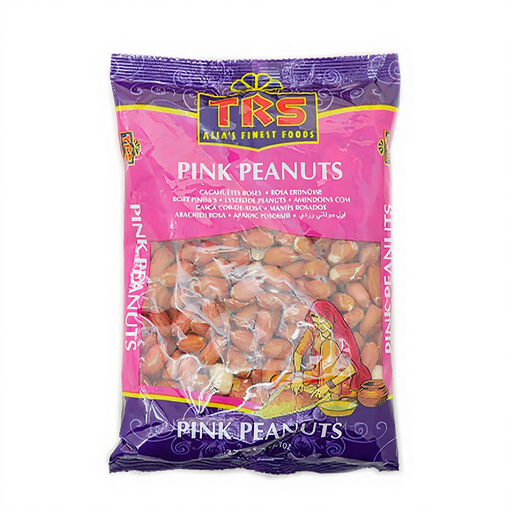
TRS Peanuts Kernels Pink, 375 g
If you’re stocking up on peanut kernels, the 375 g pack is one option. Before buying, think about how you’ll use and store the pack once it’s open.
Peanuts are a distinct allergen. Check the information on the specific pack.
View at Joybuy
 No image available
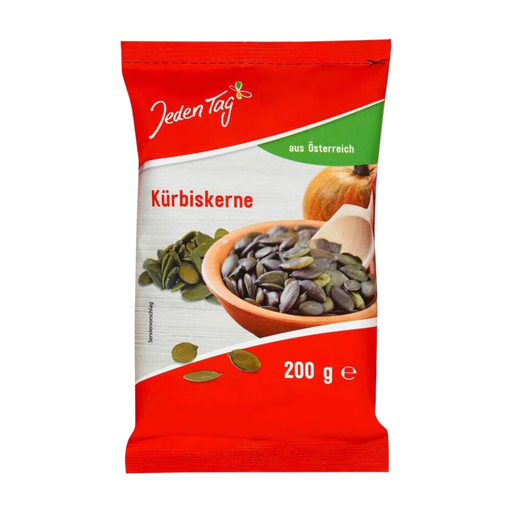
Jeden Tag shelled pumpkin seeds, 200 g
If you’re looking for shelled seeds in a 200 g pack, compare this quantity with how much you plan to use.
For comparing snacks, check the kcal per 100 g and the ingredients on the pack.
View at Joybuy
 No image available
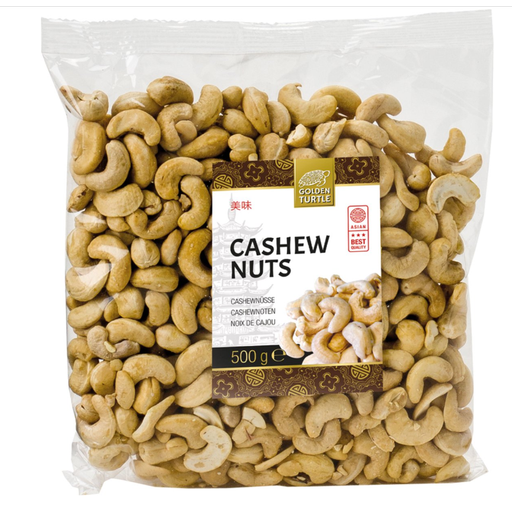
Golden Turtle Cashew Kernels Snack, 500 g
The 500 g pack could suit you if you use cashews regularly and can store the opened pack appropriately.
For a calorie-conscious choice, compare the nutritional information per 100 g and check the ingredients, allergen information and storage instructions on the pack.
View at Joybuy
 No image available
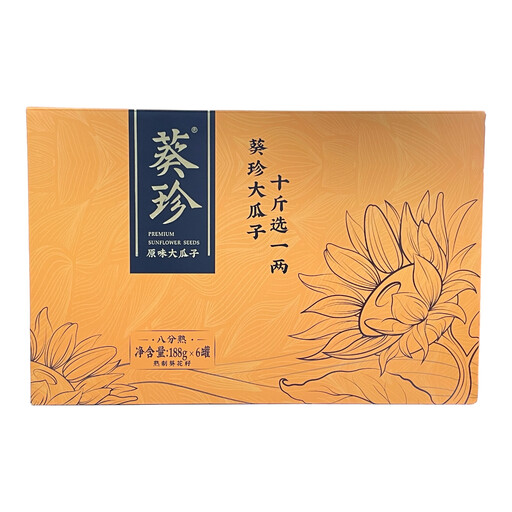
ChaCha Large Sunflower Seeds Original Flavor Black Gold Can Gift Box, 80% Roasted, 188 g × 6
The pack of six 188 g portions could suit you if you want to spread your stock across several openings.
‘Original Flavor’ and ‘80% Roasted’ are part of the product name. Check the specific packaging to see whether the ingredients and nutritional information suit your needs.
View at Joybuy
 No image available
Jeden Tag Organic Pine Nut Kernels, 50 g
The 50 g pack could be a good fit if you only need a small quantity of pine nuts; it’s naturally more limited as a larger store-cupboard supply.
Check the nutritional information, ingredients and storage instructions on the specific pack.
View at Joybuy
Frequently asked questions
Are there low-calorie nuts to stock up on?
Nuts aren’t generally a low-calorie choice. If you want to take their energy content into account when snacking, compare specific products by their kcal per 100 g and plan your portion, rather than looking for a supposedly low-calorie type of nut.
Are unprocessed cashews always a better choice than roasted ones?
Not necessarily. It depends on the information on the specific pack and the ingredients you’re looking for. For two specific GUT&GÜNSTIG products, EDEKA24 and EDEKA list 603 kcal per 100 g for unprocessed cashews and 621 kcal per 100 g for roasted, salted cashews respectively. These figures don’t apply generally to other brands.
How should I store nuts from a larger pack?
Keep opened nuts away from heat, light and moisture, and seal the pack tightly. Follow the storage instructions for the product. It’s particularly important to buy an amount that suits your plans if the nuts are shelled or chopped.
Does ‘unprocessed’ mean a product is free from allergens?
No. Check the ingredients and allergen information, as well as any may-contain warnings, on each specific pack. A may-contain warning indicates a possible accidental presence; it doesn’t confirm that the named allergen is actually an ingredient.
Is a larger pack automatically a good choice for stocking up?
No. The quantity should suit how much you use and the storage space you have. Compare the pack size and best-before date, and check how the product should be stored after opening.


