Students keeping an eye on protein
If you want to add nuts or seeds to your dinner, compare the nutritional information per 100 g. A claim on the front of the pack doesn’t replace the figures for the specific product.


For a student dinner where protein matters to you, plain seeds and unsalted peanuts are better suited as cooking ingredients than batter-coated snacks. Seeberger lists pumpkin seeds at around 36 g of protein per 100 g. For any specific pack, you should also check the salt, ingredients, allergens and the amount you’ll actually use.
If you want to add nuts or seeds to your dinner, compare the nutritional information per 100 g. A claim on the front of the pack doesn’t replace the figures for the specific product.
For a range of simple meals, pack size matters, as does whether you can actually use that variety in salads, sauces or other dishes you have planned.
If you want to season dishes yourself or need to check for allergens, read the salt content, ingredients list and information on the current pack carefully.
First, decide whether you want a plain cooking ingredient or a seasoned topping. Then compare the information on the specific packs per 100 g and choose an amount that suits the dishes you have planned.
| What to consider | What to check when buying | Who it matters to |
|---|---|---|
| Protein content and product type | Compare protein per 100 g and distinguish plain seeds from coated snacks. | If protein is a priority for my dinner, I want to know what’s in the specific ingredient. Around 42% of shoppers would make this their top selection criterion. |
| Pack size and how you’ll use it | Match the quantity and storage instructions to the dishes you have planned. | I want a pack that I can use in several dishes for my house share, without it sitting unused for too long. Around 33% of shoppers would prioritise being able to use it in multiple ways. |
| Salt, ingredients and allergens | Check the salt per 100 g, ingredients list and information on the current pack. | If I’m seasoning a dish myself or have an allergy, I need to know exactly what’s in it. Around 25% of shoppers would make these checks their first priority. |
The product type makes a difference: ALDI SÜD lists its paprika-flavoured batter-coated peanuts at 14 g of protein and 2.8 g of salt per 100 g. EDEKA’s roasted, unsalted peanuts contain 26 g of protein and 0.01 g of salt per 100 g. These figures apply to these specific products, not every variety in the range.
If you’re looking for a cooking ingredient, choose plain nuts or seeds and check the nutritional information on the pack.
Nuts and seeds come in a range of pack sizes. A larger pack is only practical if you can use its contents in the meals you have planned and store them according to the pack instructions.
Before buying, think about which dishes you want to use the ingredient in and check the storage instructions.
EDEKA lists 0.01 g of salt per 100 g for the unsalted product reviewed, compared with 0.8 g for a salted GUT&GÜNSTIG product. REWE lists 1 g per 100 g for its salted ja! peanuts. When you’re cooking, the variety you choose affects how you season the dish.
If you want to control the seasoning yourself, compare unsalted varieties and check the salt content of the specific pack.
Peanuts are an allergen. Information about possible traces of other ingredients can also be important when choosing a product.
Check the current labelling every time you buy; if you have an allergy, don’t rely solely on a product photo or a pack you bought previously.
Seeberger offers a range of nuts and seeds, including peanuts, almonds, cashews and pumpkin seeds.
Alesto offers plain nuts and dried fruit as well as seasoned snacks.
The peanut varieties reviewed show why unsalted and salted products should be considered separately.
The ja! variety reviewed is roasted and salted peanuts.
The range includes plain nuts and seeds as well as seasoned peanut snacks.
This selection includes seeds for salads, soups and other dishes you have planned, as well as peanuts that could be used as a cooking ingredient. For your dinner, compare the pack size and labelling of each variety.
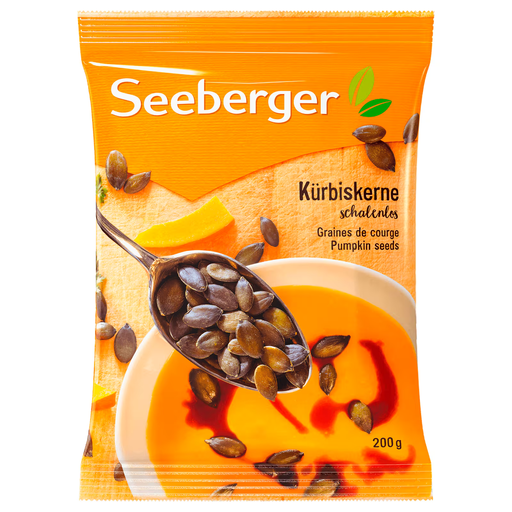 Image unavailable
Shelled pumpkin seeds could work as a topping if you’re looking for a seed ingredient for your dinner.
Check the protein content and ingredients on the specific pack.
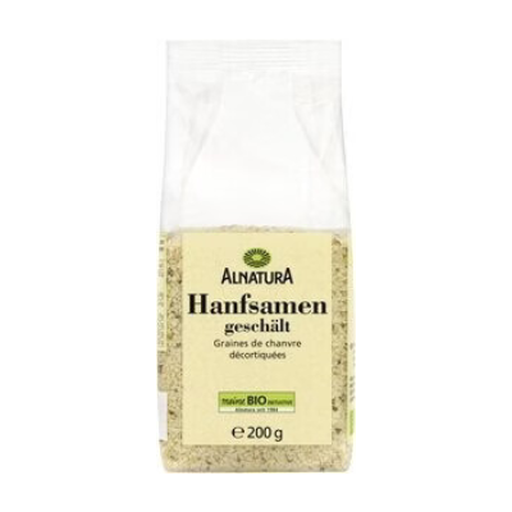 Image unavailable
Shelled hemp seeds are an option if you’re looking for a topping for salad or soup.
Compare the nutritional information and, if you have allergies, read the current labelling.
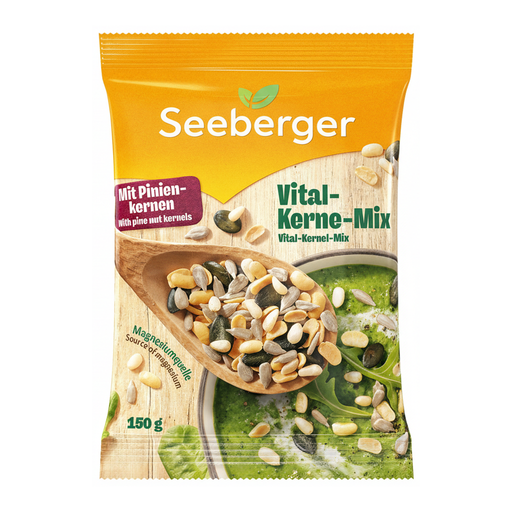 Image unavailable
This mix could work as a topping if you’d like to use a variety of seeds and kernels in one product.
Check the ingredients and allergen information on the specific pack before buying.
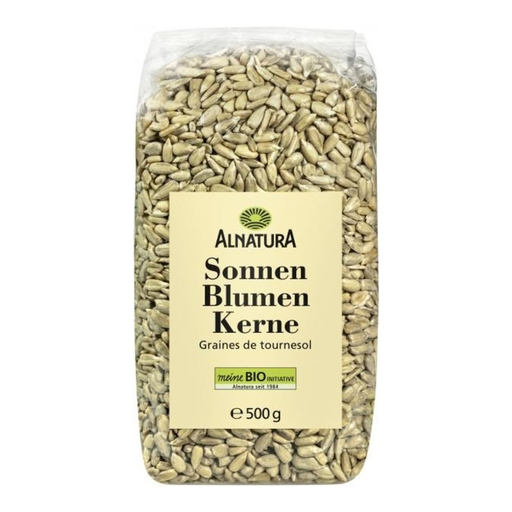 Image unavailable
Sunflower seeds could be used in several dishes you have planned, such as salads.
Choose the 500 g pack based on how much you’ll use and the storage instructions.
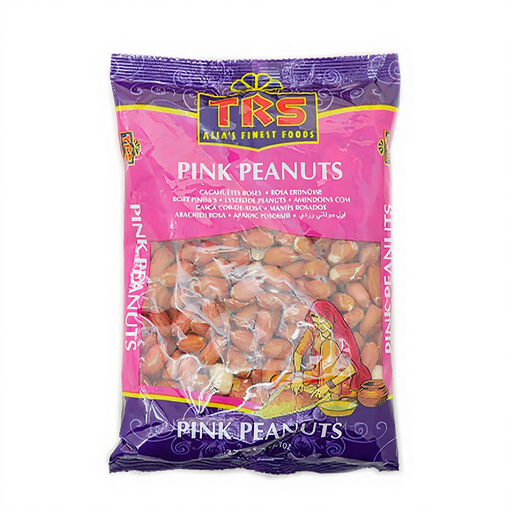 Image unavailable
Peanuts could be used in savoury dishes if you’d rather season them yourself than use a seasoned snack.
Check the ingredients, preparation instructions and allergen information on the pack.
Seeberger’s variety guide lists pumpkin seeds at around 36 g of protein per 100 g and peanuts at around 27 g. Pumpkin seeds are seeds, not nuts; when shopping, compare the figures on the specific pack.
Yes, if the seasoning suits your dish. The salted peanuts reviewed from EDEKA and REWE contain 0.8 g and 1 g of salt per 100 g respectively; choosing an unsalted variety lets you control the seasoning yourself.
Follow the instructions on the pack you buy. For the ja! peanuts reviewed, REWE recommends storing them in a dry place, away from heat.
Read the current ingredients list and any information about possible traces before choosing a product. If you have an allergy, don’t assume that a similarly named product or one you bought previously has the same labelling.