If protein content is your priority
You want to choose peanuts, almonds or seeds for a TV night and compare their protein content on a like-for-like basis: using the nutrition information per 100 g.


If protein content is your main consideration when choosing a snack to enjoy in front of the TV, compare the nutrition information per 100 g on specific packs rather than relying on the type of nut. In the examples listed, EDEKA24 and REWE state that their unsalted peanuts contain 25–26 g of protein per 100 g; the EDEKA24 and ALDI SÜD almond products contain around 24–25 g. Ingredients, salt, allergens and how much you actually want to eat are all important when making your choice.
You want to choose peanuts, almonds or seeds for a TV night and compare their protein content on a like-for-like basis: using the nutrition information per 100 g.
You prefer a snack with no added salt, or want to know what it contains besides nuts or seeds. Check the ingredients list, salt information and, where relevant, allergen advice on the specific pack.
You want to choose between own-label products, retailer ranges and branded options. As well as the recipe, you’ll want to know whether the pack size suits your TV night and whether the product is available when you shop.
Start by comparing protein per 100 g, then check whether the recipe and pack size suit your snack. Pumpkin seeds are another option, but make sure you assess them using the information for the specific product.
| Criterion | What to check when buying | Who it matters to |
|---|---|---|
| Comparing protein | Compare protein per 100 g on the specific packs; also check energy and ingredients. | If protein content is my main priority for a TV snack, I want to compare peanuts, almonds and seeds using the same nutrition measure. For around 33% of consumers, this comparison comes first. |
| Snack portion | Consider energy per 100 g and the portion size you want; measure out a serving before settling down to watch TV. | It’s easy to snack without thinking while watching TV, so I want to decide how much goes from the pack into my bowl. Around 27% of consumers put portion size first. |
| Salt, ingredients and allergens | Check the salt information, ingredients list and allergen advice on the current pack. | Seeing ‘unsalted’ doesn’t tell me everything about the recipe; if I have an allergy, the information on the pack is also essential. Around 20% of consumers make these checks their priority. |
| Range and pack size | Check that the variety and pack size you want are available from the retailer or online shop. | I’m looking for a recipe that suits my snack and want to be able to buy a suitable pack. For around 20% of consumers, this practical choice comes first. |
A protein figure per 100 g on its own isn’t enough to assess a nutrition claim. Under EU Regulation (EC) No 1924/2006, a product can be described as ‘high in protein’ only if at least 20% of its energy value comes from protein.
When shopping, use the full nutrition information rather than deciding whether a claim is permitted based on a single figure in grams.
For the unsalted peanuts listed, EDEKA24 and REWE’s product information names sunflower oil as an ingredient alongside the peanuts.
If you’re looking for a particular recipe, check the salt information and ingredients list separately.
The protein figure per 100 g doesn’t tell you how much you’ll have eaten by the end of the evening. That’s why the energy information is also worth comparing for the almond and peanut products listed.
Measure out the amount you want into a bowl before watching TV, then seal the rest of the pack again.
Information about other potential allergens can vary from product to product. Verbraucherzentrale highlights allergen labelling as an important part of the information provided on packaged food.
If allergens are relevant to your shopping, check the labelling on the current pack, including any ‘may contain’ warnings.
EDEKA24 stocks products including roasted, unsalted EDEKA Herzstücke peanuts and natural Gut & Günstig almonds.
REWE is a useful place to compare information about different nut products within one online shop.
Lidl’s Alesto range includes both natural nuts and seasoned snack varieties.
ALDI SÜD stocks natural almonds, while ALDI Nord’s range includes nuts, seeds and mixes.
Seeberger stocks nuts, seeds and mixes in a range of recipes and pack sizes.
This selection includes pumpkin seeds, cashew kernels and salted pistachios as possible snacks for a TV night. Check the nutrition information and ingredients for each product; the salted pistachios in particular are worth checking for their salt content.
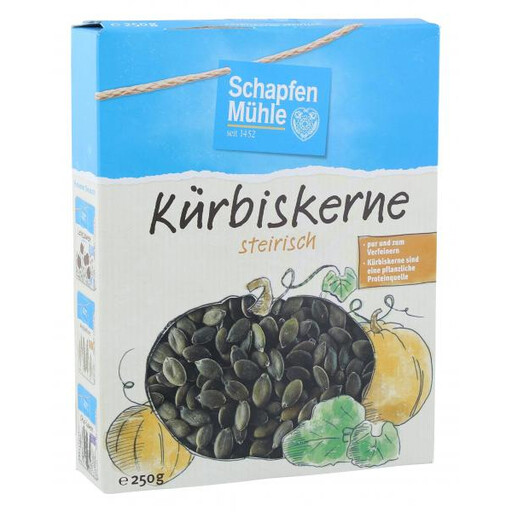 Image unavailable
A pumpkin seed option if you fancy seeds rather than peanuts or almonds for your TV night.
Pack size: 250 g. To compare protein, refer to the nutrition information per 100 g on the pack.
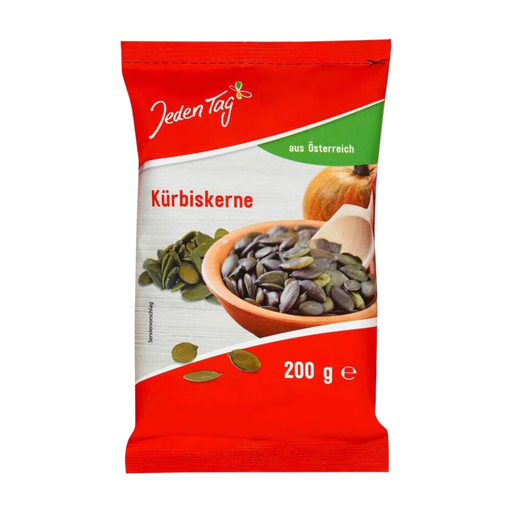 Image unavailable
A pumpkin seed snack for TV night if you’re looking for a shelled variety.
Pack size: 200 g. When portioning, watch out for any fragments of shell and check the information on the current pack.
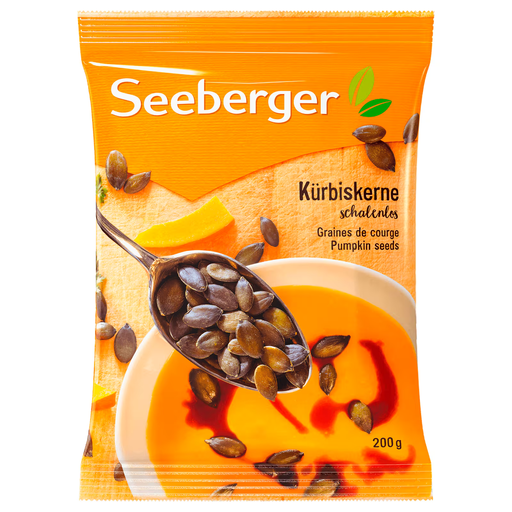 Image unavailable
Another shelled pumpkin seed option for TV night, if you’d like to compare products of this kind.
Pack size: 200 g. Compare protein, energy and salt using the nutrition information per 100 g.
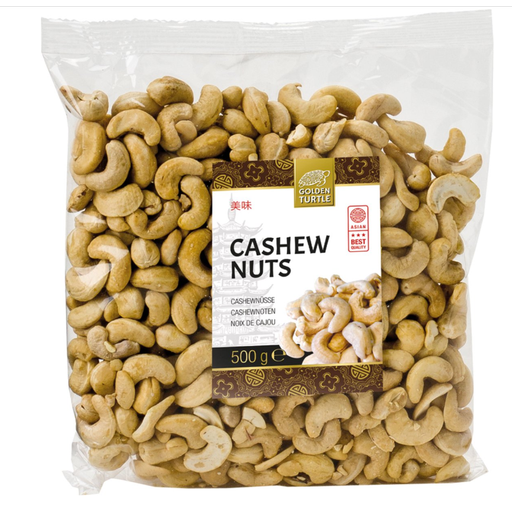 Image unavailable
For anyone who prefers cashew kernels to pumpkin seeds for a TV night.
Pack size: 500 g. If you have relevant allergies, check the labelling on the specific pack, including any ‘may contain’ warnings.
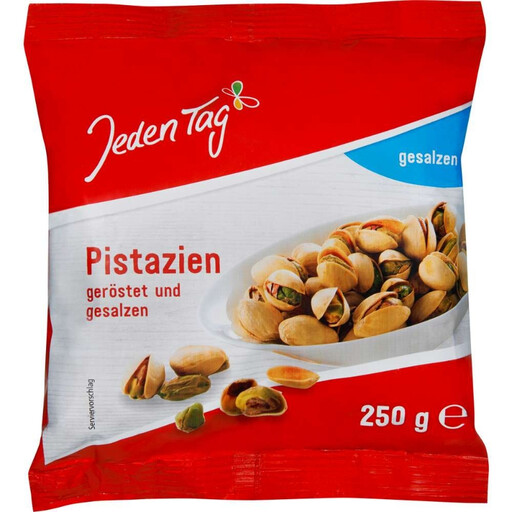 Image unavailable
For a TV night with pistachios in shells, if a salted variety suits your taste.
Pack size: 250 g. If you’re watching your salt intake, compare the salt per 100 g with unsalted alternatives.
If protein per 100 g is your main criterion, compare the specific packs: EDEKA24 and REWE state that the unsalted peanuts listed contain 25–26 g, while EDEKA24 and ALDI SÜD state that the almonds listed contain around 24–25 g. Also consider the ingredients, salt and the type of snack you want; these product examples don’t mean that every peanut has more protein than every almond.
No. That nutrition claim doesn’t follow from the figure in grams alone. Under EU Regulation (EC) No 1924/2006, a product can be described as ‘high in protein’ only if at least 20% of its energy value comes from protein, so check the energy information for the specific product too.
Check the allergen labelling and any ‘may contain’ warnings on the current pack. Verbraucherzentrale explains how allergens are labelled on packaged foods; the type of nut in the product name or a product image is no substitute for checking the individual item.
Seal the pack well after opening and follow the storage instructions for the product. EDEKA24 recommends storing the almonds listed in a dry place, away from heat; for other varieties, follow the instructions on their own packaging.