What should you look for when buying?
First decide whether the nuts are for a measured snack or as an ingredient in your evening meal. Then check the nutritional information, ingredients and whether the pack size works for you.
| What to consider |
What to check |
Who it matters to |
| Energy per portion |
Compare kcal per 100 g and work out how much that is for the amount you plan to eat. REWE lists ja! plain cashew nuts at 180 kcal per 30 g. |
When I’m snacking, I want to plan a small portion without eating the whole bag without thinking. Portion control is the main priority for around 31% of consumers. |
| Pack size and storage |
Check the pack weight and best-before date, and plan to store nuts in a cool, dark place. |
If I only use nuts occasionally, I don’t want a large amount left over. Around 25% of consumers mainly focus on choosing a quantity they can use. |
| How you’ll use them in a dish |
Choose the ingredients to suit your meal. For a savoury dish, for example, you might choose unsweetened nuts rather than a honey-roasted mix. |
For an easy evening meal, I want to use nuts as a small ingredient, not just nibble on them on the side. This is the main priority for around 25% of consumers. |
| Ingredients and allergens |
Read the ingredients list and check the pack for information about sugar, salt and allergens. |
With a seasoned mix, I want to know what else is in it besides the nuts. If I have an allergy, the information on the pack is essential. Around 19% of consumers put the ingredients or allergen information first. |
Brands to consider
The brands below offer different nut products and recipes. Always refer to the information on the specific pack when making your choice.
ja! / REWE
REWE sells plain cashews under its ja! brand, which you can enjoy as a snack or use as a small ingredient in your cooking.
- REWE lists ja! plain cashew nuts at 601 kcal and 21 g of protein per 100 g, and 180 kcal per 30 g.
- The pack information for this product warns that it may contain traces of other tree nuts and peanuts.
EDEKA Bio / EDEKA
EDEKA lists plain cashews and almonds, as well as sweetened and salted mixes.
- EDEKA lists its organic cashews at 607 kcal and flaked almonds at 609 kcal per 100 g.
- Recipes vary by product. EDEKA notes that the information on the pack may differ from what’s shown on the product page.
Alesto / Lidl
Lidl’s Alesto range includes both plain nuts and seasoned snacks.
- Lidl says its plain Alesto cashews contain no other ingredients.
- Don’t assume the same ingredients apply to seasoned varieties; check their own labelling.
BACK FAMILY / ALDI SÜD
ALDI SÜD lists plain almonds under its BACK FAMILY brand in a 200-g pack.
- ALDI SÜD lists this almond product at 611 kcal and 24 g of protein per 100 g.
- Check the information on the specific pack to work out your portion, rather than assuming the same figures apply to other almond products.
Seeberger
Seeberger offers plain cashews in several pack sizes, as well as a roasted variety.
- Seeberger lists its plain cashews in 200 g, 500 g and 1,500 g packs.
- Seeberger says its roasted cashews are made without added salt or oil. Check the information for the variety you choose rather than assuming this applies to every product in the range.
Nut products at Joybuy
This selection includes pine nuts, peanuts and edible chestnut kernels for snacking or adding to simple meals. The products vary in type and pack size, so compare the nutritional information and ingredients for each variety before choosing.
 No image available
Jeden Tag Organic pine nuts 50 g
These pine nuts could make a small addition to salads or rice dishes.
The 50-g pack keeps the amount you need to store to a minimum. Decide how much to use for each meal, and check the pack labelling if you have an allergy.
View at Joybuy
 No image available
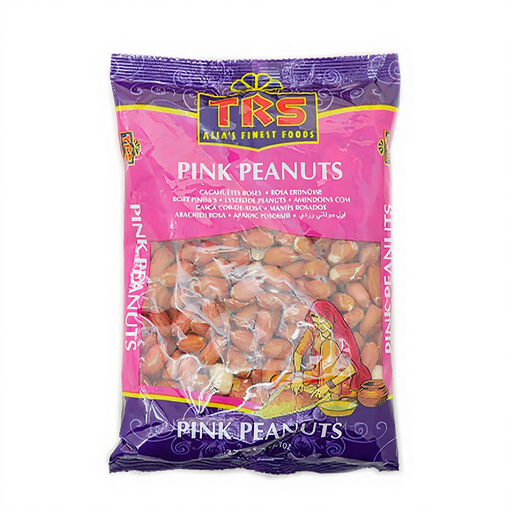
TRS Pink peanut kernels 375 g
If you want to use peanuts in curries or salads, this variety could work as a cooking ingredient.
With 375 g in the pack, it’s worth planning how you’ll use the rest. Once opened, the contents should be used within one month. Peanuts are an allergen.
View at Joybuy
 No image available
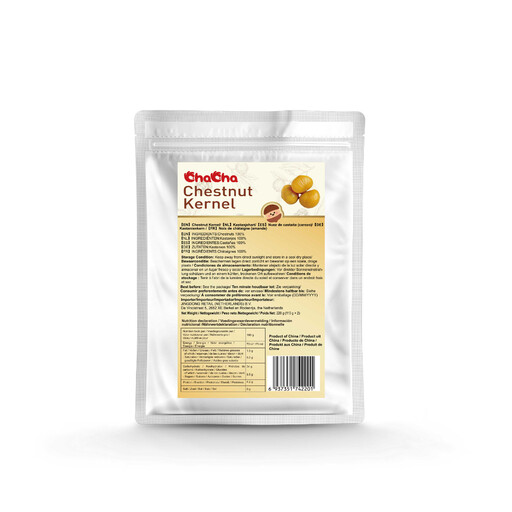
ChaCha edible chestnut kernels 220 g
These ready-to-eat chestnut kernels are an option if you’re looking for a snack that needs no preparation.
The pack contains two 110-g sachets, so one sachet won’t necessarily be the right portion for you. Compare the nutritional information with other nut products on a per-100-g basis.
View at Joybuy
 No image available
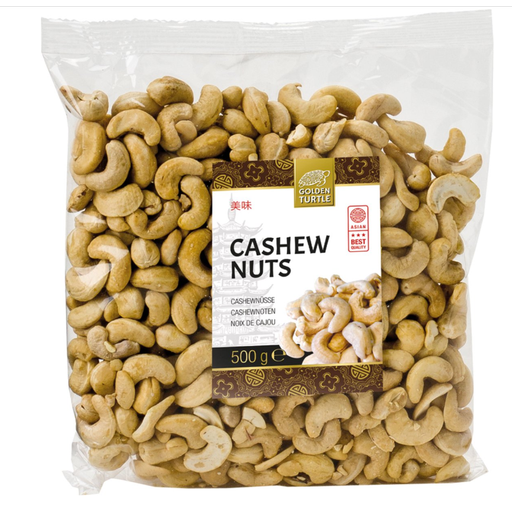
Golden Turtle cashew kernels 500 g
If you’re planning to use cashews for several cooking or baking projects, you could consider this larger pack.
The instruction to use the contents within five days of opening is particularly important for a 500-g pack. Also check the ingredients and allergen information on the pack.
View at Joybuy
 No image available
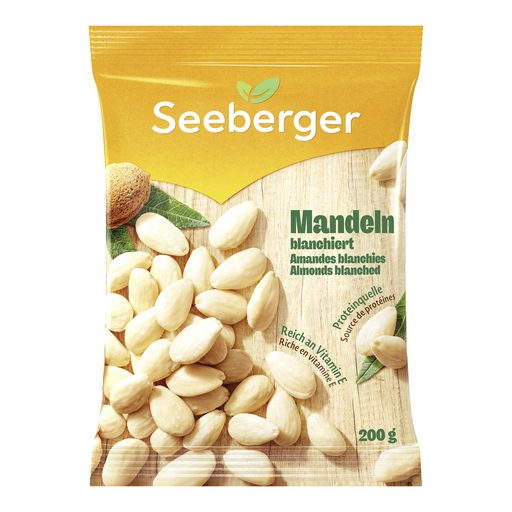
Seeberger blanched whole almonds 200 g
These almonds could be used for cooking or baking if you’re looking for blanched whole kernels.
Plan how much of the 200-g pack you’ll need for your dish. If you have an allergy, check the information on the specific pack.
View at Joybuy
Frequently asked questions
Are cashews or almonds low in calories?
The plain cashews and almonds featured here aren’t low-calorie products: REWE and EDEKA list their cashew examples at 601 and 607 kcal per 100 g respectively, while EDEKA and ALDI SÜD list the almond products mentioned at 609 and 611 kcal per 100 g. If you want to manage your energy intake, check the specific pack and measure your portion.
How can I use nuts in a simple student evening meal?
Use them as a small ingredient in a dish with rice, vegetables or pulses, rather than making them the main part of the meal. Choose the type and recipe to suit your dish, and factor the amount of nuts into your meal.
Is comparing kcal per 100 g enough for a nut mix?
No. Check the ingredients, sugar and salt too. The cashew and peanut mix listed by EDEKA contains sugar, honey, sunflower oil and salt. Its nutritional information lists 35.5 g of sugar and 0.83 g of salt per 100 g.
What should I check if I have an allergy?
Check the ingredients and allergen information on every specific pack, even if you already know the brand. The labelling may include warnings about possible traces of other allergens as well as information about ingredients. If you have a diagnosed allergy or are unsure, seek medical advice.
How should I store nuts for future meals?
Store nuts in a cool, dark place and follow the instructions on the specific pack, particularly after opening. The Verbraucherzentrale recommends cool, dark storage. How long an opened pack should be kept may vary by product.


