What should you look for when buying?
Start by comparing protein and energy using the same reference amount. Then make your choice based on the ingredients, allergens and the amount you actually want to eat as a study snack.
| What to consider |
What to check when buying |
Who it matters to |
| Protein and “High Protein” |
Compare protein in g and energy in kcal per 100 g. Under Regulation (EC) No 1924/2006, a “High Protein” claim depends on the proportion of the total energy value that comes from protein. |
If comparing protein is my main priority during a study break, I don’t want to confuse a marketing claim with the figure per 100 g. Around 36% of consumers put this criterion first. |
| Ingredients and seasoning |
Read the ingredients list and check the salt content per 100 g. For sweet varieties, check the sugar and other ingredients too. |
Before studying, I want to know whether I’m buying a single type of nut or a snack with additional ingredients. For around 29% of consumers, this takes priority. |
| Portion and energy |
Consider the energy per 100 g and the portion you plan to eat, rather than treating the whole pack as a serving. |
For a short break, I want to portion out a sensible amount instead of eating straight from the pack. Around 21% of consumers focus on this first. |
| Mix and storage |
Check which types of nuts a mix contains, and make sure you can store opened packs appropriately. |
I like having several types of nuts and want to store the rest sensibly once the pack is open. This is the main consideration for around 14% of consumers. |
Suitable products at Joybuy
This selection includes almonds, cashews, nut mixes and peanut kernels to suit different study-snack preferences. If protein content is a deciding factor for you, compare the nutritional information on the specific packs.
 Image unavailable
Seeberger Whole Natural Almonds Extra, 500 g
Whole almonds are a good option if you’d prefer one type of nut rather than a mix for your study break. Check the pack’s nutritional information, ingredients and allergen details.
View at Joybuy
 Image unavailable
Seeberger Unsalted Roasted Cashew Kernels, 150 g
Roasted, unsalted cashews are a good option if you prefer this preparation of a single type of nut. If protein is your priority, compare the figures per 100 g and check the allergen information.
View at Joybuy
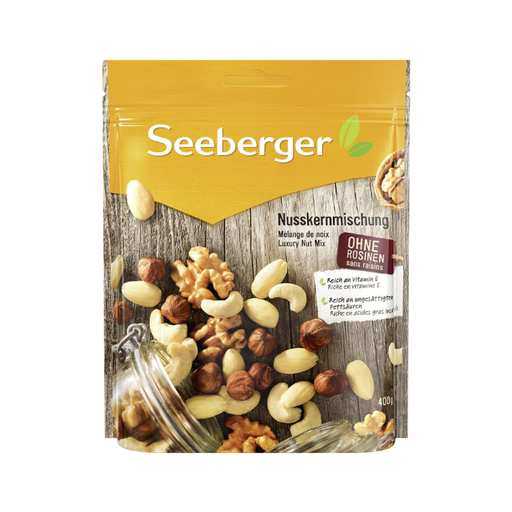 Image unavailable
Seeberger Premium Nut Mix Without Raisins, 400 g
This mix is a good choice if you’re looking for nuts without raisins. If you want to avoid or choose a particular type of nut, check the ingredients and allergen information on the 400-g pack.
View at Joybuy
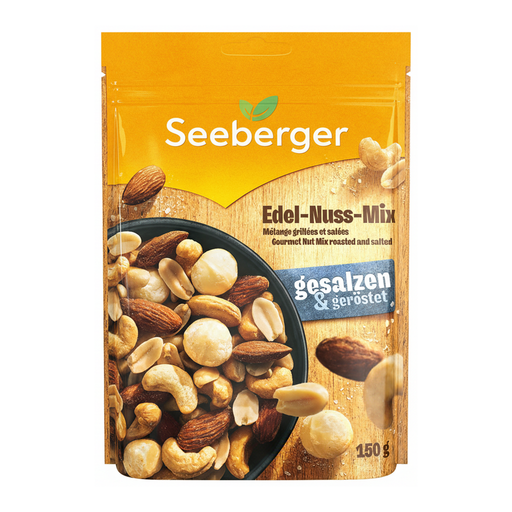 Image unavailable
Seeberger Roasted & Salted Premium Nut Mix, 150 g
This roasted and salted nut mix is an option if you’d prefer a seasoned blend to plain nuts. As well as protein and energy, check the salt content, ingredients list and allergen information.
View at Joybuy
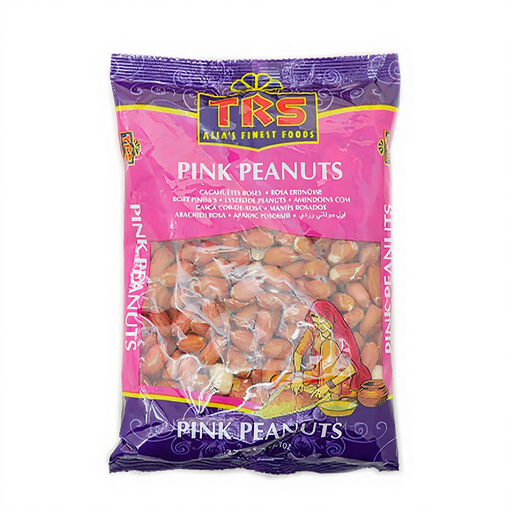 Image unavailable
TRS Peanuts Kernels Pink, 375 g
Peanut kernels are worth considering if you’re looking for a single type of nut to compare protein content. If you want a snack that needs no preparation, check the cooking instructions: the product description says the kernels are raw and recommends roasting them for flavour. Also check the allergen information.
View at Joybuy
Frequently asked questions
Are nuts with lots of protein per 100 g automatically “High Protein”?
No. Under Regulation (EC) No 1924/2006, at least 20% of the total energy value must come from protein for a product to make this claim. For the four products compared here using figures from REWE, EDEKA24 and ALDI SÜD, the calculated proportion is below this threshold, despite their protein content ranging from 20 to 29.8 g per 100 g.
Which of the single varieties compared contains more protein?
The organic peanuts listed by REWE contain more protein, at 29.8 g per 100 g, than the GUT&GÜNSTIG almonds listed by EDEKA24, at 24.7 g per 100 g. These figures apply to these specific products, not to all peanuts or almonds.
What should I check on the pack if I have a nut allergy?
Read the ingredients list and allergen information for every product, even if the front of the pack highlights just one type of nut. The mixes compared contain several types of nuts, so you can’t tell whether they’re suitable for you from the product name alone if you have a known allergy.
How should I store opened nuts?
Follow the storage instructions on the pack and reseal opened nuts. For shelled walnuts, the consumer advice centre recommends an airtight container in the fridge or freezer. Discard any nuts with visible mould.


