Parents who pay attention to texture
You’d like to offer nuts at snack time but avoid whole kernels and hard pieces. The Gesund ins Leben network recommends nut butter and finely ground nuts as more suitable forms to prepare for toddlers.


For a toddler’s snack, the form of the nuts matters more than a prominent protein claim. The Gesund ins Leben network warns against whole and chopped nuts because of the risk of choking, and suggests nut butter or finely ground nuts as alternatives. Choose a smooth, lump-free butter or mix finely ground nuts into a moist food, checking the ingredients and allergen information as you do. Protein figures refer to the food itself, not to a child’s needs for a single snack.
You’d like to offer nuts at snack time but avoid whole kernels and hard pieces. The Gesund ins Leben network recommends nut butter and finely ground nuts as more suitable forms to prepare for toddlers.
You’re looking for a nut ingredient for bread, porridge or yoghurt and want to tell pure nut butter apart from sweet nut chocolate spread. The ingredients list and allergen information matter more than the name on the front of the pack.
You’d like to put a protein figure into context, rather than judging a single snack as if it were a sports product. The German Nutrition Society’s protein reference for children aged one to under four relates to their total daily intake.
For a toddler’s snack, check the texture first, then the ingredients and allergen information. Protein content can help you compare foods, but it doesn’t replace these checks.
| What matters | What to check | Who it matters to |
|---|---|---|
| Lump-free texture | Look out for whole kernels, pieces and ‘crunchy’ varieties. Nut butter should be smooth; only offer ground nuts if they’re finely ground and mixed into a moist food. | When my toddler has nuts at snack time, I want to avoid hard pieces that could cause choking. A safe texture is the top priority for around 50% of consumers. |
| Ingredients and allergens | Read the ingredients list and current allergen information for the specific product; don’t assume nut butter is the same as nut chocolate spread. | When choosing a spread for bread or porridge, I want to know what ingredients and allergens it contains. Ingredients and labelling are the main concern for around 30% of consumers. |
| Protein content | Read the figure per 100 g and, where given, per serving in the context of the amount you’ll actually use. | If protein is highlighted on the pack, I don’t want to confuse the product’s protein content with my child’s daily needs. Around 20% of consumers put this into context as their first priority. |
A protein claim doesn’t change the fact that whole or chopped nuts pose a choking risk for toddlers, as the Gesund ins Leben network explains.
Don’t choose whole kernels or crunchy varieties for a toddler’s snack. Instead, check whether the nut butter is genuinely lump-free or the nuts are ground finely enough to mix into a moist food.
Nut spreads come in different recipes. The product category alone doesn’t tell you what other ingredients are included or whether the product contains pieces.
Read the ingredients list on the specific jar and check the texture, rather than choosing based only on the wording on the front of the pack.
A nutritional value per 100 g describes the product. The German Nutrition Society’s protein reference for children aged one to under four, on the other hand, is based on body weight and total daily intake.
Take into account the amount actually used and the rest of the day’s meals. When choosing nuts for toddlers, focus first on the form they come in and their ingredients.
Ingredients and warnings can differ between products and varieties. Packaging you’ve seen before isn’t a reliable guide to the food you’re choosing now.
If your child has a known allergy or has been advised to avoid certain foods, check the current information for the specific product. If you’re unsure whether it’s suitable, don’t buy it for your child.
REWE sells a white REWE Bio almond butter in a 250 g pack.
Seeberger offers nut butters, including almond butter.
EDEKA24 lists products including EDEKA Bio My Veggie peanut butter.
This selection includes ground hazelnuts to mix into moist foods, as well as a creamy cashew butter. Before using either, check the actual texture and the current information on the packaging. Ground nuts aren’t a dry snack for toddlers.
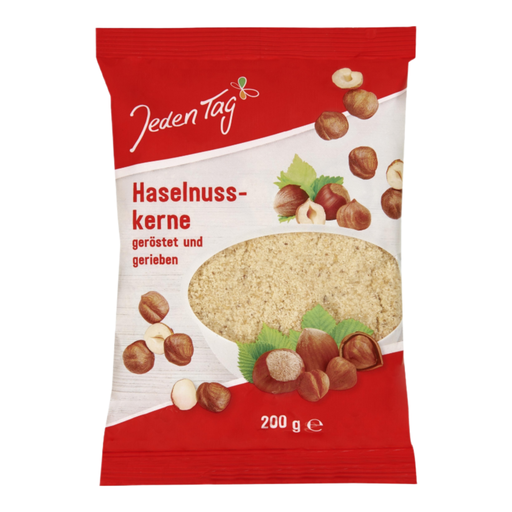 No image available
Mix into yoghurt or porridge if the hazelnuts are finely ground and thoroughly combined with the moist food. Don’t offer them dry or as a snack on their own; check the current packaging if your child has allergies.
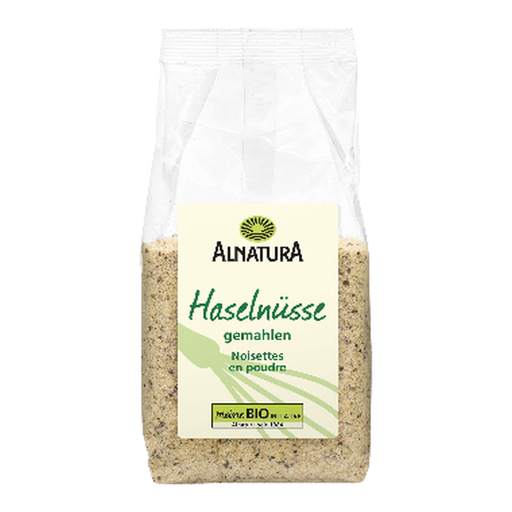 No image available
Consider these as a ground nut ingredient for a moist food if they’re finely ground enough for your recipe. Mix them in thoroughly before serving and check the current allergen information; don’t offer them dry by the spoonful.
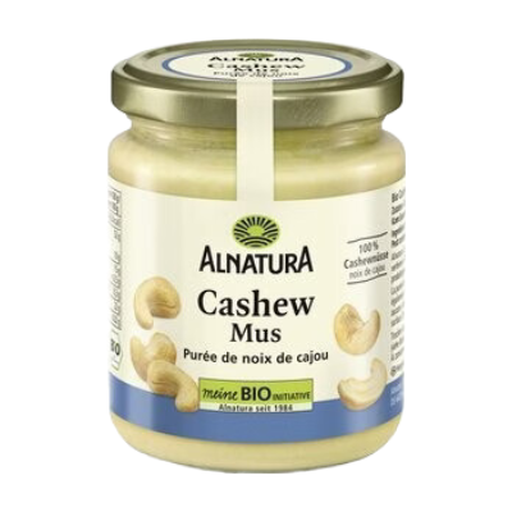 No image available
A nut butter option if you’re looking for a smooth texture rather than whole nuts for snack time. Before serving, check that the butter is consistently creamy and lump-free, and read the current ingredients and allergen information.
No, not as a snack offered directly. The Gesund ins Leben network warns that whole and chopped nuts pose a choking risk and suggests nut butter or finely ground nuts as alternatives. Ground nuts should be mixed into a moist food.
For an everyday toddler snack, claims about sport or recovery aren’t useful criteria for choosing a product. The German Nutrition Society’s protein reference for children aged one to under four relates to their total daily intake. With nut products, the safe form and ingredients are what matter first.
Look for a smooth, lump-free butter and read the ingredients list on the specific jar. This helps you distinguish pure nut butter from nut chocolate spread or varieties with pieces. Check the actual texture before serving it, too.
For packaged products, check the current labelling; for loose goods, check the accompanying allergen information. The European Commission explains that consumers must be told when regulated allergens are present. If your child has a known allergy, check the information for the specific food rather than relying on the product category in general.