If your main aim is to eat less fat, chestnuts are a nutty-tasting alternative to traditional nuts: REWE describes them as relatively low in fat, while EDEKA lists 51.6 g of fat per 100 g for a product made from flaked almonds. If you’d rather stick with nuts, compare the fat and energy per 100 g, and portion them out before eating. The amount you eat matters with chestnuts too, as it determines how much energy you consume.
Who is this choice important for?
People keeping to a set fat allowance
If you track your fat intake in grams, the nutrition information for the amount you actually eat matters more than a nut’s reputation. Chestnuts are worth considering as a nutty alternative; if you choose nuts, setting aside a small portion in advance can help.
Calorie-conscious snackers
If you fancy nuts or chestnuts between meals, compare the energy per 100 g and think about how much you’ll actually eat from the pack. A lower fat content doesn’t automatically make a large portion low in calories.
People looking for plain nuts
If you’re after a simple recipe, check the ingredients list rather than just the front of the pack. Even with unseasoned nuts, fat content, portion size and any allergen information are important.
What should you look for when buying?
Chestnuts
A good choice if: You’re looking for something with a nutty taste and lower fat content matters more to you than choosing traditional nuts.
The trade-off: REWE describes chestnuts as relatively low in fat, but you should still check the energy per 100 g and consider your portion size.
Traditional nuts
A good choice if: You want to eat nuts and can fit the amount into your fat allowance.
The trade-off: A simple recipe doesn’t automatically mean a lower fat content. EDEKA lists 51.6 g of fat per 100 g for flaked almonds, while ALDI SÜD lists 65 g per 100 g for blanched walnuts.
| Criterion |
What to check when buying |
Who it matters most to |
| Fat content |
Compare the fat per 100 g and work out how it relates to the amount you plan to eat. If chestnuts are also an option, compare their nutrition information too. |
If I want to stick to a set amount of fat, I need to know how much my snack portion contributes. This is the top priority for around 36% of consumers. |
| Energy and portion size |
Check the calories per 100 g and the amount you actually plan to eat; a pack isn’t automatically one portion. |
It’s easy for me to eat more than I’d planned for a snack when I’m eating from an open pack. A portion I can plan for is the main priority for around 29% of consumers. |
| Ingredients |
For mixes and seasoned products, check the ingredients list for added oil, sugar, honey or salt. |
I want to be able to tell whether the product contains anything besides nuts or chestnuts. The recipe is the most important buying criterion for around 21% of consumers. |
| Allergen information |
If you have an allergy, read the ingredients and highlighted allergens on the current pack. |
If I have an allergy, I need information about the specific product before choosing it. This check comes first for around 14% of consumers. |
Common mistakes when choosing
-
Assuming nuts are low in fat because of their reputation
The German Nutrition Society explains that fat provides more energy per gram than protein or carbohydrates. The nutrition information for your portion is the only way to see how much a nut product contributes to your fat allowance.
Start by comparing the fat per 100 g. If you’re mainly looking for a nutty option with less fat, include chestnuts in your comparison.
-
Assuming less fat means fewer calories
REWE describes chestnuts as low in fat compared with nuts. That doesn’t mean the amount you eat is irrelevant to your calorie allowance.
Check the energy per 100 g for chestnuts too, and compare it with the amount you want to eat.
-
Comparing seasoned mixes with plain nuts
The ingredients lists for two EDEKA mixes include ingredients such as oil and salt, or sugar and honey, alongside nuts. These recipes are different from a mix without those additions.
For roasted, sweetened or seasoned products, compare both the ingredients and the nutrition information with the plain version.
-
Judging allergens by the product name alone
A name such as ‘nut mix’ doesn’t tell you everything about the allergens in a specific product. The German Food Federation explains how allergenic ingredients are labelled in the ingredients list.
If allergens are relevant to you, check the information on the current pack before eating the product and follow your individual medical advice.
Brands and own-label options to consider
Seeberger
Seeberger offers plain, seasoned and sweet nut products.
- Seeberger describes its nut mix as unroasted and made without added salt or seasoning.
- This information about the recipe doesn’t mean the product is low in fat or calories. Check the nutrition information for the product you choose.
REWE Bio / REWE Beste Wahl
These REWE own-label ranges include vacuum-packed chestnuts and roasted peanuts.
- REWE Bio chestnuts are one product type worth checking if you’re looking for a nutty option that’s low in fat.
- Peanuts and chestnuts are different products with different recipes, so compare the information for each item rather than relying on the own-label brand.
EDEKA / GUT&GÜNSTIG
EDEKA’s own-label ranges include individual nut products and mixes.
- The ingredients list and nutrition information let you compare specific products.
- EDEKA lists 609 kcal and 51.6 g of fat per 100 g for a product made from flaked almonds. Mixes may contain additional ingredients.
FARMER NATURALS / ALDI SÜD
ALDI SÜD’s range includes walnuts and nut mixes, among other products.
- The nutrition information provided helps you work out the fat and energy in a portion of your choice.
- ALDI SÜD lists 701 kcal and 65 g of fat per 100 g for blanched walnuts. These figures apply to the product mentioned, not to every nut mix.
Alesto / Lidl
Lidl’s Alesto own-label range includes plain nuts as well as other snack options.
- Lidl describes Alesto almonds as plain; the specific product’s ingredients list and nutrition information are still what matter when you’re buying.
- Other products in the range may have different ingredients. The brand name alone tells you nothing about fat or energy content.
Chestnut products at Joybuy
This selection features chestnut products for anyone looking for a nutty-tasting alternative to traditional nuts. Before buying, compare the latest nutrition information and plan how much you actually want to eat.
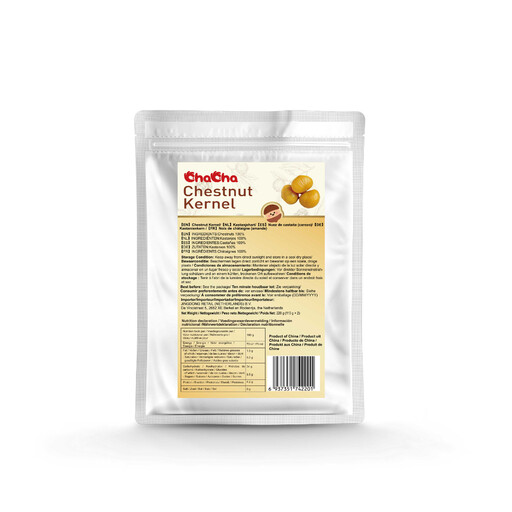 No image available
ChaCha Chestnut Kernels, 220 g
A chestnut option to consider if you’re after a nutty snack rather than traditional nuts. Decide on your portion and check the nutrition information against it.
View at Joybuy
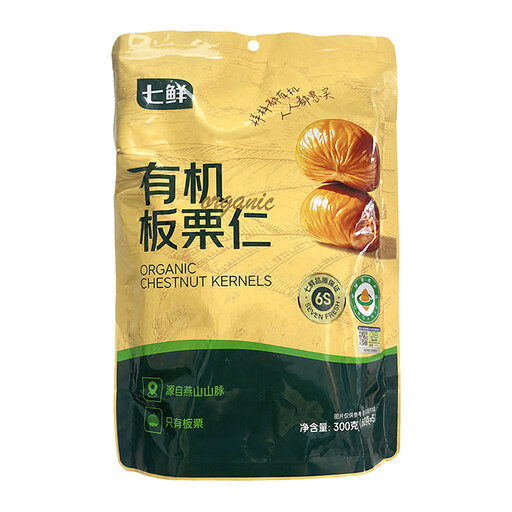 No image available
7FRESH Chestnut Kernels, 300 g
Chestnuts are another product type to consider when comparing them with nuts. The pack size isn’t the same as a recommended snack portion, so use the nutrition information to decide how much you want to eat.
View at Joybuy
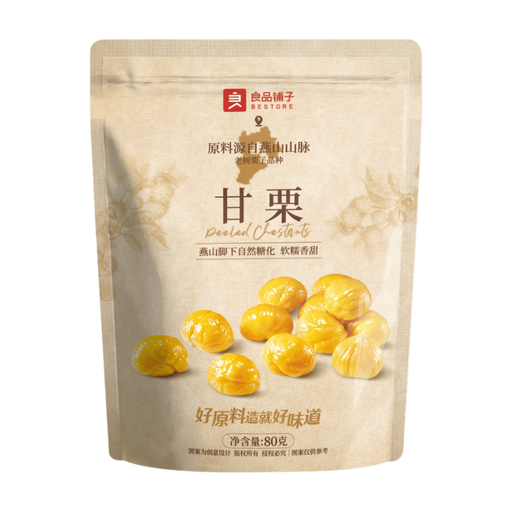 No image available
Bestore Chestnut, 80 g per bag
The 80 g bag gives you a clear pack size to plan around, but it isn’t a serving recommendation. Check the energy per 100 g for chestnuts too.
View at Joybuy
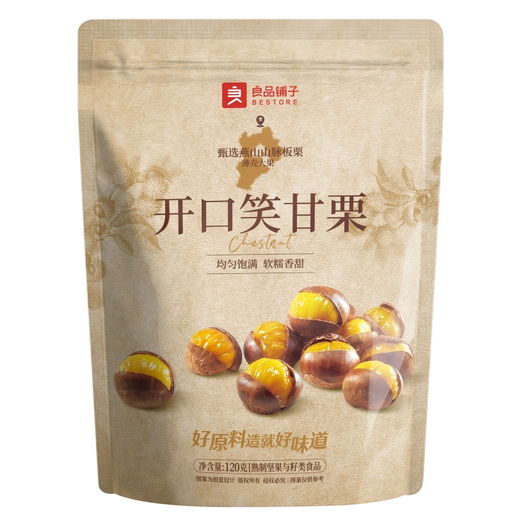 No image available
Bestore Smiling Chestnuts, 120 g per bag
If you’re choosing chestnuts for a snack, compare fat and energy on the same basis and plan how much you’ll eat. If sugar information or allergens are important to you, check the latest packaging.
View at Joybuy
Frequently asked questions
Can traditional nuts be part of a low-fat diet?
It depends on the amount you plan to eat and your fat allowance; traditional nuts aren’t automatically low in fat. EDEKA lists 51.6 g of fat per 100 g for flaked almonds, while ALDI SÜD lists 65 g per 100 g for blanched walnuts. So use the information for the specific product and your portion to work it out.
Are chestnuts automatically low in calories?
No. REWE describes chestnuts as low in fat compared with nuts, but that alone doesn’t tell you how much energy your portion contains. Compare the calories per 100 g on the pack and take into account how much you eat.
How can I identify a nut mix with a simple recipe?
Read the ingredients list for the specific product. Seeberger describes its nut mix as unroasted and made without added salt or seasoning; EDEKA lists ingredients such as oil, salt, sugar or honey in other mixes. A short ingredients list doesn’t replace comparing the nutrition information.
What should I look out for if I have a nut allergy?
Check the ingredients and highlighted allergens on the current pack rather than relying on the product name or brand. The German Food Federation explains how allergenic ingredients are labelled; which information matters when you’re buying depends on your individual medical advice.


