
Lieferung heute & morgen

Qualitätsgarantie

Willkommens-Angebote freischalten: KOSTENLOSE Lieferung | Bis zu 80 % RABATT | Kostenlose 30-Tage-JoyPlus-Testphase
App herunterladen
Homemade soy milk, nut milk and tofu require a suitable filter to separate solid residues from the liquid. A 200 Mesh nylon soy milk filter can be a practical solution. However, filter cloths and filter bags differ considerably in mesh size, dimensions, construction and care requirements.
If you only consider the price or the description “fine mesh”, you may end up buying a filter that is too small, difficult to clean or unable to retain enough residue for your intended use. The following criteria will help you assess product descriptions objectively.
The term “fine” is not a standardised technical value. A specific rating such as 200 Mesh is more informative. Mesh describes the number of mesh openings per inch. The actual opening size also depends on the thread thickness. For this reason, 200 Mesh does not automatically correspond to one precisely defined micrometre value.
For soy milk and nut milk, a close-knit nylon filter cloth is generally designed to separate fine particles. Whether the result meets your expectations also depends on the consistency of the liquid, the ingredients used and the pressure applied when squeezing.
A 20 x 30 cm filter cloth may be sufficient for smaller bowls, pots or individual portions. For larger quantities, a 30 x 40 cm filter cloth is more practical, as it can accommodate more liquid and is easier to secure over a container.
Cloths that are too small make stirring and squeezing more difficult. A cloth that is too large, on the other hand, may slip over the container or take up more space during cleaning. Before buying, check the diameter and height of the container over which you intend to use the filter.
Nylon is lightweight, flexible and can be used as a reusable filter. Even so, the product description should include information about cleaning, temperature resistance and intended use. Not every nylon mesh is automatically approved for contact with food.
Look for clear information from the supplier regarding suitability for food contact. For products without specific details, check the information on the product page and do not use the material with hot liquids if no corresponding temperature approval is stated.
Homemade plant milk is often made using a fine sieve for plant milk or a soy milk filter bag with a close-knit structure. 200 Mesh provides a specific reference point for a fine mesh fabric. Nevertheless, you should not consider the mesh rating in isolation. Neat construction, a sufficiently large cloth area and a sturdy edge also affect ease of use.
When filtering soy milk, do not fill the cloth right to the edge. Leaving a small amount of free space makes it easier to fold, squeeze and transfer over a second container.
The sizes 20 x 30 cm and 30 x 40 cm are suitable for different households:
If you regularly make nut milk, soy milk or tofu, choose the size based on your usual batch quantity rather than simply opting for the lower price.
Immediately after use, rinse off coarse residue with cold or lukewarm water. The cloth can then be cleaned according to the manufacturer’s instructions. Residue that dries into the fabric is often more difficult to remove.
A nylon filter cloth should be allowed to dry completely before being stored in a drawer or container. Check the fabric regularly for tears, frayed areas or permanent discolouration. If there is visible damage, replacement is advisable.
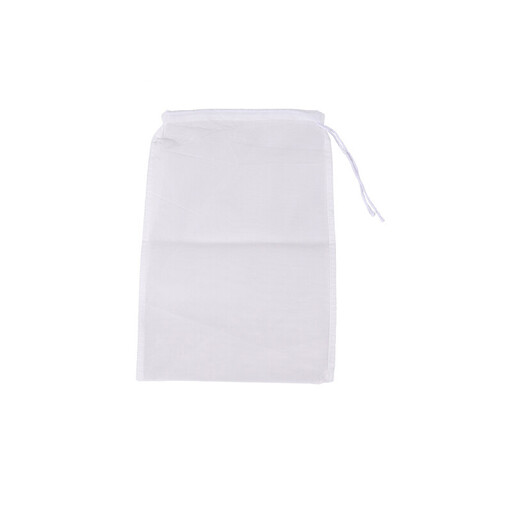
Why this product suits this profile: This set of two 20 x 30 cm filter cloths is designed for smaller quantities and occasional use in the home.
The product name states both the specific size and the 200 Mesh rating. Buyers therefore do not have to rely solely on the vague description “fine mesh”.
Two pieces; 20 x 30 cm format; stated mesh rating of 200 Mesh.
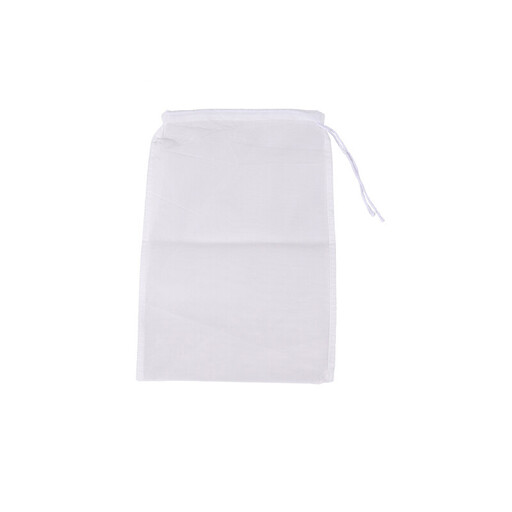
Why this product suits this profile: The larger surface area is useful for people who regularly filter larger quantities of plant milk or liquids containing more residue.
The stated size of 30 x 40 cm reduces the risk of the filter cloth being too small for larger containers. The 200 Mesh rating also provides a clear technical reference.
Two pieces; 30 x 40 cm format; stated mesh rating of 200 Mesh.
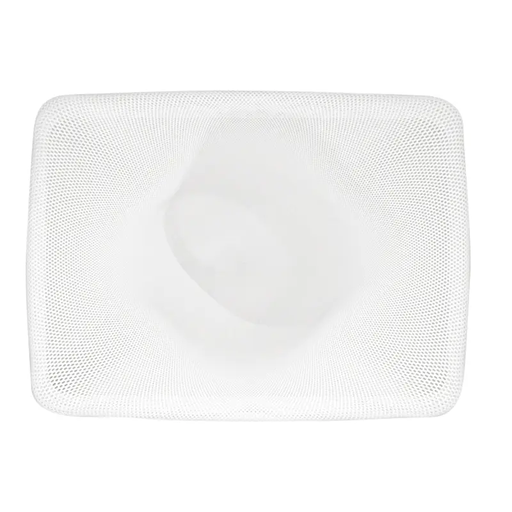
Why this product suits this profile: The product name appeals to users looking for a filter for a specific kitchen or DIY purpose and who want to compare the detailed specifications carefully before buying.
Before ordering, check the mesh rating, dimensions, material details and care instructions on the product page. This avoids choosing a filter cloth based on the product name alone.
Listed as a filter mesh for specialist kitchen applications; further technical details should be checked against the product description before buying.
Tofu may require more thorough squeezing than thin soy milk. An additional filtering stage can be useful when working with particularly fibrous ingredients. A kitchen sieve for nut milk should also not be overfilled, as this can significantly slow down the flow.
We have put together a complete, regularly updated list of products that fully meet these strict selection criteria and the safety regulations applicable in the EU.
200 Mesh refers to a fine mesh fabric and may be suitable for soy milk, nut milk and similar liquids. However, the result also depends on the consistency of the liquid, the ingredients and the technique used. The mesh rating alone cannot provide a definitive statement about particle size.
A 20 x 30 cm filter cloth is often suitable for smaller quantities. If you use larger bowls or regularly make more plant milk, a 30 x 40 cm filter cloth can provide more working area. Measure the container before buying and allow enough fabric around the edges for securing and squeezing.
Its lifespan depends on how often it is used, cleaning, temperature and mechanical stress. Rinse the cloth promptly, avoid sharp objects and check the fabric regularly. Tears, loose seams or permanently blocked mesh openings are all reasons to replace the filter.