Which appliance is right for you?

For date and nut bars

If you chop the ingredients first and then combine them into a mouldable mixture, check the blade, pulse function and guidance for the ingredients you’re using. Kitchen Survivors’ ‘Oat and date bars’ recipe uses a food processor to blend oats, nuts, desiccated coconut, peanut butter and dates.

For larger portions to share

If you’re making enough bars for several guests and want to keep the number of batches to a minimum, compare the stated working capacity with the bowl’s nominal volume. For the FDP23.140GY, Kenwood specifies a 1.3-l bowl and a dry working capacity of 0.75 l. This figure isn’t a confirmed batch size for sticky bar mixture.

For occasional use when storage space is limited

If you’ll only use the appliance occasionally, weigh up the space it takes against the other jobs you plan to use it for. A compact chopper may be enough for chopping, while the extra functions and accessories of a food processor are more worthwhile if you’ll use them for other food preparation too.

What should you look for when buying?

Compact chopper

A good fit if: You mainly need to chop ingredients and make smaller batches. KitchenAid lists a 1.19-l bowl and a pulse function for the 5KFC0516.

Bear in mind: You may need to process a larger portion for guests in several batches. The bowl’s volume doesn’t tell you how much sticky mixture the appliance can process at once.

Compact food processor

A good fit if: You’d like to do more than just chop, but have limited worktop space. Kenwood lists a 1.3-l bowl and a dry working capacity of 0.75 l for the FDP23.140GY.

Bear in mind: The stated working capacity for dry ingredients doesn’t confirm how much sticky bar mixture you can process in one go. Extra accessories also need storage space.

Larger food processor

A good fit if: You regularly prepare larger quantities or make other dishes. Kenwood lists a 3.0-l bowl for the FDM72.990SS, while KitchenAid lists 3.1 l for the 5KFP1319.

Bear in mind: Larger appliances and more accessories take up space and may mean extra cleaning. The bowl sizes listed aren’t confirmed batch sizes for making bars.

What matters when buying What should you check? Who is this most important for?
Processing sticky ingredients Check whether the appliance has a chopping or multi-purpose blade and a pulse function. Follow the instructions for the ingredients and quantities you’re using. If I want to chop and combine dates, nuts and oats in controlled stages, the blade matters more than a long list of accessories. Around 33% of consumers put processing the bar mixture first.
Preparing a portion for guests Compare the quantity you plan to make with the stated working capacity and the instructions, not just the bowl volume. If I’m preparing food for several guests, I want to keep the number of batches to a minimum. Around 27% of consumers prioritise making a larger portion in fewer batches.
Storage space and future use Check the appliance’s dimensions and accessories against your storage space and the tasks you expect to use it for regularly. If I only need the appliance occasionally, I don’t want to set aside space for features I’ll rarely use. Around 20% of consumers focus mainly on space-saving use and having an appliance that suits their future needs.
Cleaning and taking food along Check which parts are removable and which are listed as dishwasher-safe in the instructions. If you’re using perishable ingredients, plan for suitable refrigeration. If I’m making sticky mixture for other people, I want to clean the parts thoroughly and consider storage and transport too. Around 20% of consumers prioritise cleaning and hygienic preparation.

Common buying misconceptions

  • Assuming the bowl volume equals the amount of bar mixture it can process

    For the Kenwood FDP23.140GY, the manufacturer distinguishes between a 1.3-l bowl and a dry working capacity of 0.75 l. Neither figure confirms the maximum amount of sticky bar mixture the appliance can process.

    Compare the quantity in your recipe with the model’s stated working capacity and the instructions. Plan to process the mixture in several batches if the instructions don’t confirm that the full amount can be made in one go.

    Extra batches mean more steps and may require you to clean the appliance between them.

  • Taking the wattage or number of discs as proof it’s suitable

    Slicing and grating discs do different jobs from a chopping blade. A wattage figure or a large accessory set doesn’t show how well an appliance handles sticky bar mixture.

    First check the blade, pulse function and the specific model’s guidance on ingredients and batch size.

    Accessories you don’t need for making bars take up storage space and need to be cared for according to the manufacturer’s instructions.

  • Treating a portion to share like a single serving

    When you’re making food for others, the ingredients and any refrigeration it may need matter as well as the quantity. Oats, nuts and peanuts may be relevant for some guests.

    Check the ingredients with your guests and ask about any known allergies. The German Federal Institute for Risk Assessment recommends keeping perishable food properly chilled during storage and transport.

Brands to consider

Kenwood

The models mentioned range from the compact FDP23.140GY to the larger FDM72.990SS.

  • Kenwood lists a 1.3-l bowl and a dry working capacity of 0.75 l for the FDP23.140GY. For the FDM72.990SS, the manufacturer lists a 3.0-l bowl and an integrated scale.
  • The differences between the model specifications don’t prove that either appliance will process a particular bar mixture more effectively. The stated working capacity for dry ingredients isn’t a confirmed batch size for bars.

KitchenAid

According to its German product pages, the range includes a compact chopper and food processors with different bowl sizes.

  • KitchenAid lists a 1.19-l bowl and a pulse function for the 5KFC0516 chopper. The stated bowl volume for the 5KFP1319 food processor is 3.1 l.
  • The model specifications don’t establish a suitable batch size for bars or a performance advantage over other brands.

Philips

According to Philips, the Viva Collection HR7530/10 comes with an S-blade for chopping and other functions.

  • The manufacturer’s specifications make this a possible choice if you want to prepare other foods as well as ingredients for bars.
  • Check the instructions to see whether the appliance is suitable for the sticky mixture and quantity you have in mind.

Bosch

The MultiTalent 3 MCM3501M is an example of a food processor with a multi-purpose blade and several attachments.

  • Bosch lists a 2.3-l bowl and a multi-purpose blade for this model.
  • Bosch marks the MCM3501M as no longer available on its German product page.

Joybuy products for making bars

The appliances below include compact choppers and food processors for chopping and other food preparation tasks. Bowl and working capacities are appliance specifications, not confirmed amounts for sticky bar mixture.
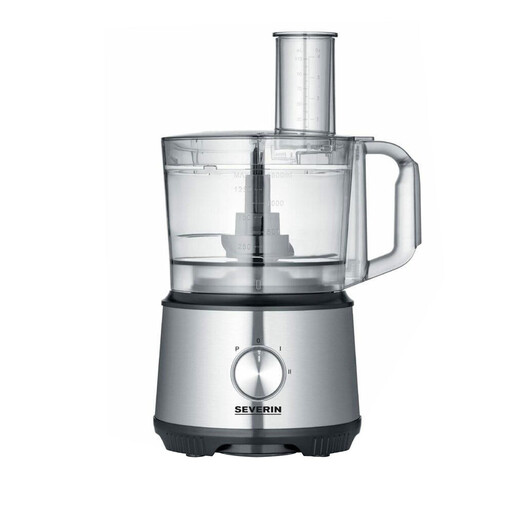
SEVERIN KM 3892 food processor

SEVERIN KM 3892 food processor

An option if you want to chop and mix ingredients, and use the appliance for other food preparation tasks too.

The description lists a 1.5-l bowl, a stainless steel blade, and kneading, grating, shredding and slicing functions. Some parts are described as dishwasher-safe.

Joybuy
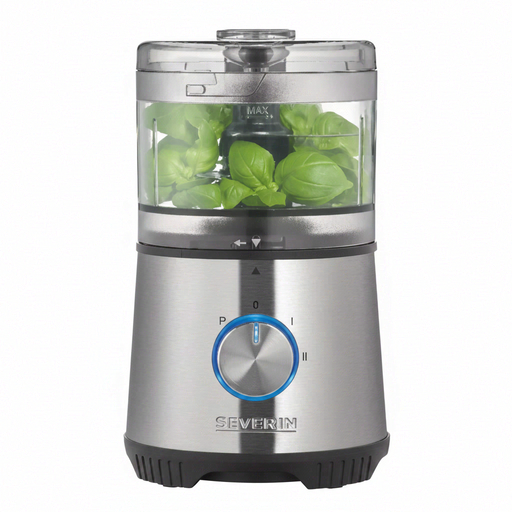
SEVERIN KM 3865 food processor

SEVERIN KM 3865 food processor

An option if you want to chop nuts and other ingredients in stages.

The description lists a four-blade stainless steel blade, two speed settings and a pulse function. Removable parts are described as dishwasher-safe.

Joybuy
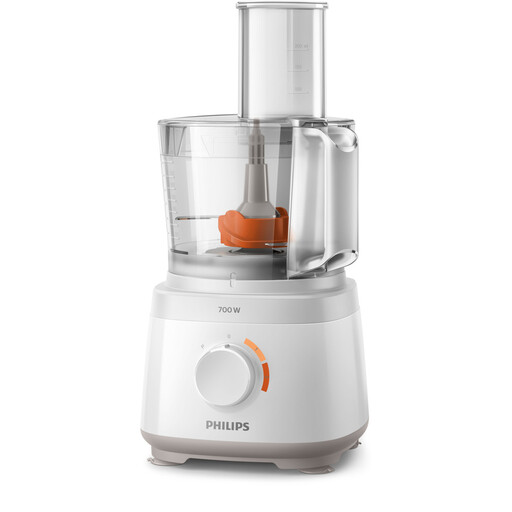
Philips Daily Collection HR7320/00 food processor

Philips Daily Collection HR7320/00 food processor

An option if you want to chop ingredients and then move on to other preparation tasks.

The stated bowl volume is 2.1 l, with a working capacity of 1.5 l. The description lists chopping, kneading and a pulse function; removable parts are described as dishwasher-safe.

Joybuy
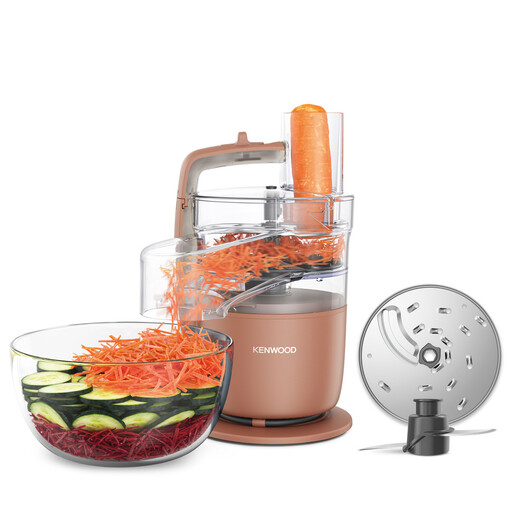
Kenwood MultiPro Go FDP22130RD food processor, Clay Red

Kenwood MultiPro Go FDP22130RD food processor, Clay Red

An option if you’re looking for a compact appliance with a pulse function and want to chop ingredients in controlled stages.

The specifications list a 1.3-l bowl and a working capacity of 0.75 l for dry ingredients. This capacity isn’t a confirmed limit for a batch of bar mixture.

Joybuy
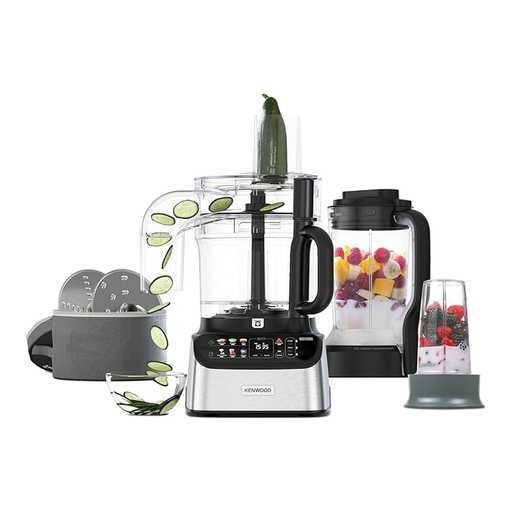
Kenwood MultiPro OneTouch FDM73850SS food processor, Silver

Kenwood MultiPro OneTouch FDM73850SS food processor, Silver

An option if you’d like a larger bowl for a range of food preparation tasks.

The description lists a 3-l bowl, an integrated scale, and chopping, mixing and kneading functions. Some parts are described as dishwasher-safe.

Joybuy

Frequently asked questions

Which blade do I need for date and nut bars?

Use a chopping or multi-purpose blade designed for your specific appliance. Kitchen Survivors’ recipe processes pitted dates, nuts and oats in a food processor. Don’t assume the recipe quantities will work in your machine without checking first.

How large should the bowl be for a portion to share with guests?

There’s no one-size-fits-all answer without knowing the recipe quantity and number of guests. Compare the amount of ingredients with the model’s working capacity and instructions. The bowl’s nominal volume alone doesn’t confirm a suitable batch size for sticky mixture.

Can the bowl and blade go in the dishwasher?

It depends on the model and the individual part. For the FDP23.140GY, Kenwood describes certain parts as dishwasher-safe and refers users to the instructions. Check which parts are approved for dishwasher cleaning before washing them.

What should I bear in mind when taking the bars to a get-together?

If the bars contain perishable ingredients, make sure they’re properly chilled during storage and transport. The German Federal Institute for Risk Assessment recommends keeping perishable foods adequately chilled. Whether this applies to a particular recipe depends on its ingredients and how it’s prepared.

What should I bear in mind if my guests have allergies?

Check the ingredients with your guests and take any known allergies into account. The European Commission sets out allergen information requirements for food businesses and related services. This doesn’t automatically mean that the same labelling rules apply to a private get-together where guests bring food.