
Lieferung heute & morgen

Qualitätsgarantie

Willkommens-Angebote freischalten: KOSTENLOSE Lieferung | Bis zu 80 % RABATT | Kostenlose 30-Tage-JoyPlus-Testphase
App herunterladen
An oat drink can be a practical plant-based milk alternative for coffee, muesli, smoothies or cooking. When buying a multi-pack, however, it is not just the price per litre that matters. Differences in recipe, nutritional values, allergens, pack size and intended use can mean that a product is not right for your everyday needs.
A barista oat drink is generally designed for use in coffee-based drinks. Stable milk foam depends on factors including fat content, protein levels, acidity regulators and the right temperature. A standard oat drink may produce thinner or less stable foam in a cappuccino.
That is why it is important to check the specific usage recommendations on the packaging. Some products state a maximum temperature. For example, Alpro Barista Oat Drink should be kept below 65 °C for optimum frothing results.
Oat drinks are usually vegan and lactose-free, but they may contain gluten-containing cereals. Oats themselves are often listed as an allergen. Depending on the product, traces of other allergens may also be possible. Anyone who needs to take an intolerance or allergy into account should check the ingredients and allergen list for every product.
A plant-based milk alternative is therefore not automatically gluten-free. A drink made with oats may also be unsuitable for certain diets.
A supply of six or eight litres can make sense for families, offices and regular coffee drinkers. Once opened, however, the packs usually need to be refrigerated and consumed within a few days. If consumption is low, smaller quantities may be more practical, even if the price per litre is higher.
Before buying a multi-pack, it is worth checking:
The oat content affects the flavour profile. Several products in the selection contain 10% oats in the base. Additional ingredients such as sunflower or rapeseed oil can provide a creamier consistency. Chicory root fibre is sometimes added to increase the fibre content.
If you prefer a neutral taste for coffee, look for a barista version with a subtle oat flavour. For muesli or drinking on its own, a rounder, fuller flavour may be more suitable. The term oat milk is often used in everyday speech; legally and on product packaging in Germany, “oat drink” is generally the usual term.
Nutritional values vary depending on the recipe. According to the product information, Alpro Barista Oat Drink contains 59 kcal, 3.0 g fat, 6.7 g carbohydrates, 1.0 g fibre and 0.8 g protein per 100 ml. Alpro Oat Drink Original lists around 45.89 kcal, 1.5 g fat and 1.4 g fibre per 100 ml.
Many plant-based drinks are fortified with calcium and vitamins B2, B12 and D. This information should be understood as nutritional guidance and does not replace individual dietary advice. If you are specifically looking for a high-protein plant-based drink, you are more likely to find one made with soya or pea protein than in classic oat drinks.
For an oat drink for frothing, three points are particularly important:
A standard oat drink is often sufficient for filter coffee or muesli. For cappuccino, latte macchiato and flat white, a barista version is usually the more obvious choice.
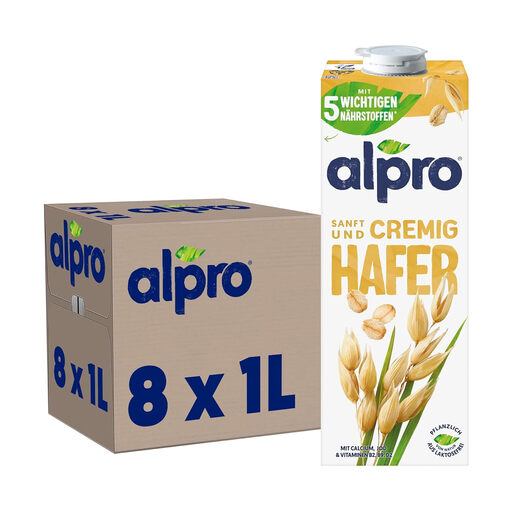
Why this product suits this profile: The classic oat drink is suitable for muesli, smoothies, hot drinks and drinking on its own. Eight one-litre packs are designed for regular household use.
The product information clearly lists the ingredients, nutritional values and allergens. This makes it easier to check whether the drink suits your everyday routine and dietary needs.
10% oats, added calcium and vitamins, plus 8 x 1 litre for stocking up.
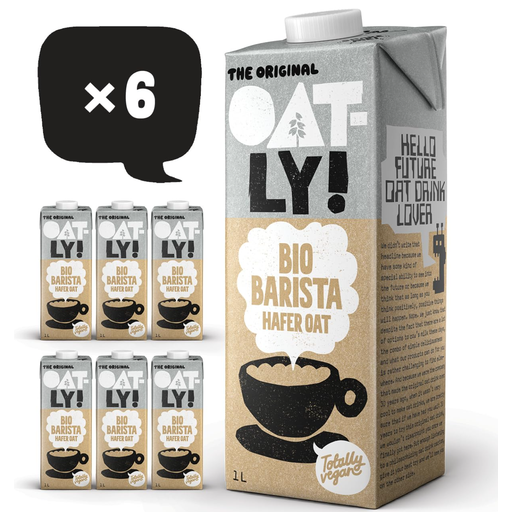
Why this product suits this profile: The barista version is intended for coffee and tea and, according to the product information, is made from organic oats. Six one-litre packs are suitable for regular preparation at home.
The information states the 10% oat content, the organic claim and the note that the oats contain gluten. This allows you to consider flavour expectations and allergen checks separately.
Organic labelling according to the product description, barista format and 6 x 1 litre pack contents.
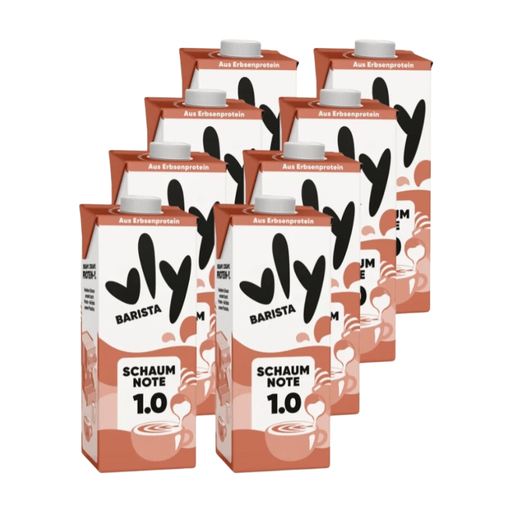
Why this product suits this profile: This plant-based, pea-protein alternative is aimed at shoppers who want to pay attention to a higher protein content as well as preparing coffee. According to the product information, it is free from soya, lactose, gluten and nuts.
The recipe provides 2.0 g of protein and 1.4 g of sugar per 100 ml. The allergen information helps you choose a supposedly suitable drink based on more than just its label.
8 x 1 litre, 2.0 g of protein per 100 ml and, according to the product description, free from soya, lactose, gluten and nuts.
Unopened long-life drinks can generally be stored at room temperature. Direct sunlight and excessive heat should be avoided. Once opened, the carton belongs in the fridge. For the products mentioned, consumption within around five days is often recommended.
For coffee, we recommend:
If you do not need oat drink but are generally looking for lactose-free products, you can find more options in the lactose-free food category.
We have put together a complete, regularly updated list of products that fully meet these strict selection criteria and the safety regulations applicable in the EU.
An oat drink normally contains no milk and is vegan if labelled accordingly. Nevertheless, you should check the specific ingredients. “Lactose-free” does not automatically mean gluten-free either, as oats may be labelled as a gluten-containing cereal or may contain traces of other cereals.
For cappuccino, latte macchiato and flat white, a barista oat drink specifically described as suitable for frothing is a sensible choice. A standard product is often sufficient for filter coffee. Taste, temperature guidance and the amount of foam you want should be considered before buying.
That depends on the manufacturer’s instructions. For the products listed, refrigerated storage and consumption within approximately five days after opening are generally recommended. The information on the individual packaging always takes precedence.