
Lieferung heute & morgen

Qualitätsgarantie

Willkommens-Angebote freischalten: KOSTENLOSE Lieferung | Bis zu 80 % RABATT | Kostenlose 30-Tage-JoyPlus-Testphase
App herunterladen
The range of plant-based milk alternatives is constantly growing, and products labelled "Barista" specifically promise perfect milk foam for coffee. However, not every product marketed as a "Barista Edition" lives up to expectations. Many consumers invest in bulk packs, only to find that the product doesn't foam properly, curdles in coffee, or has an unpleasant aftertaste. Before placing your next order, it's crucial to understand the most common pitfalls.
A common problem is the discrepancy between marketing claims and actual performance. Some products create a foam that collapses quickly because the formula isn't optimised to interact with the acidity and heat of coffee. Another key point is the ingredients: under the guise of a healthy alternative, you might find unwanted additives or a high sugar content that overpowers the coffee's flavour rather than complementing it.
To make an informed decision that goes beyond marketing hype, you should examine three core parameters. These will help you objectively assess a product's suitability for your needs, whether for the perfect cappuccino or as a nutritious daily supplement.
The ability to create a stable, fine-pored microfoam is the hallmark of a good Oat Milk Barista edition. This performance is primarily determined by two factors:
A look at the ingredients list reveals the quality and character of the drink. Pay attention to the following points:
Not every oat or plant-based beverage is designed for the same purpose. It's important to distinguish between a milk substitute for coffee and a complete meal replacement drink.
Based on these objective criteria, we have compiled a selection of products suitable for different needs and user profiles.
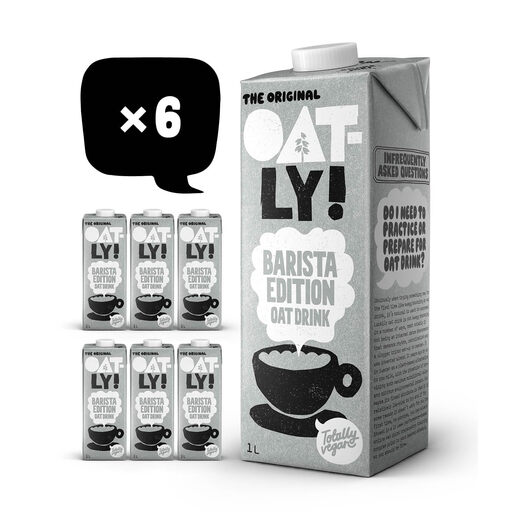
Why It's a Great Fit: Developed for users who value a stable, fine-pored foam suitable for latte art. The taste is relatively neutral, allowing the coffee's aroma to take centre stage.
This product delivers on the "Barista" promise with a formula specifically designed for foaming and stability in hot coffee. The included acidity regulator prevents curdling.
Consistent and reliable foaming performance that is well-established in the coffee scene. Fortified with vitamins (D2, B2, B12) and calcium.
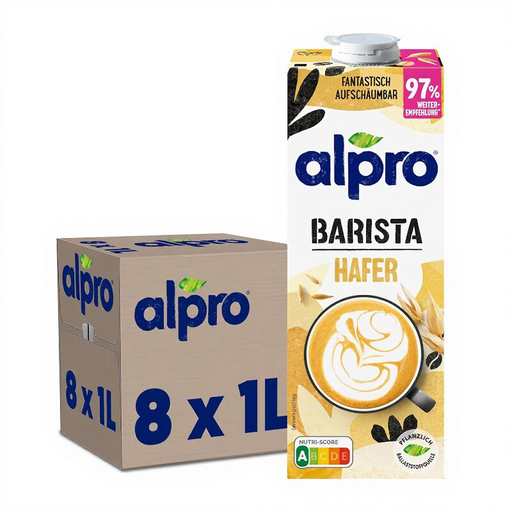
Why It's a Great Fit: A versatile option for daily use. Suitable for coffee, cereal, or cooking. Buying it in a multi-pack is practical and economical for regular consumption.
This product avoids the "bland taste" trap by offering a creamy texture and a balanced oat flavour. The nutritional information is transparent, and the product is fortified with vitamins.
Good all-round performance: it can be foamed both hot and cold. The formula with pea protein supports foam stability. According to the manufacturer, the oats are sourced from European cultivation.
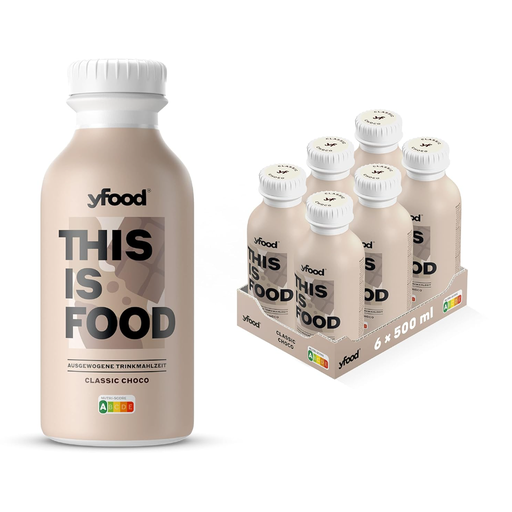
Why It's a Great Fit: For individuals who need a quick yet complete meal on the go. This is not an oat milk, but a balanced meal replacement drink that replaces a full meal.
This product avoids being mistaken for a simple beverage. It is clearly positioned as a meal replacement, delivering a defined amount of calories (500 kcal per 500 ml bottle) and nutrients.
Contains 33g of protein, fibre, and 26 vitamins and minerals per meal. The product is lactose-free and gluten-free, but is based on skimmed milk.
We have compiled a complete, up-to-date list of products that fully meet these strict selection criteria.
Why isn't my oat milk foaming properly? Foaming performance is highly dependent on the formula. A sufficient protein and fat content is required for a good result. Products not labelled "Barista" often have too little of these components. Also, be careful not to heat the milk above 65°C (150°F), as this can destroy the protein structure and cause the foam to collapse.
Why does oat milk curdle in coffee? This phenomenon, also known as separation, occurs when the proteins in the plant-based milk react with the acidity and high temperature of the coffee. Special Barista editions contain acidity regulators (e.g., dipotassium phosphate) that stabilise the pH and prevent curdling. If you are using a standard oat milk, it can help to let the coffee cool for a moment before adding the milk.
How long does opened oat milk last? Once opened, oat milk should be stored in the refrigerator and typically consumed within 5 days. The exact shelf life can vary by manufacturer and product, so always check the information on the packaging. A sour smell or a change in consistency are clear signs that the product is no longer good to consume.