If fibre is your priority
If fibre content is your main consideration, compare oat bran and rolled oats using the nutritional information per 100 g. Depending on the product and recipe, you can stir bran into porridge, yoghurt or baking mixtures.


If fibre content is your priority when doing your Christmas food shop, it’s worth taking a look at oat bran: Kölln states that its oat bran flakes contain 19 g of fibre per 100 g, while the Verbraucherzentrale puts the figure for rolled oats at around 10 g per 100 g. For creamy porridge or a fine-textured dough, try fine or instant oats; for visible flakes in your breakfast or baking, choose jumbo oats. Always check the nutritional information and ingredients on the specific pack. If you need to eat gluten-free, also look for an explicit gluten-free label.
If fibre content is your main consideration, compare oat bran and rolled oats using the nutritional information per 100 g. Depending on the product and recipe, you can stir bran into porridge, yoghurt or baking mixtures.
Fine or instant oats are a good choice for creamy porridge or a fine-textured dough. If you want the flakes to remain visible in your Christmas baking, jumbo oats are worth considering instead.
If you’re shopping for guests with allergies or who need to eat gluten-free, check the ingredients, allergen and ‘may contain’ information, and, where relevant, the gluten-free label on the specific pack. If you’re looking for organic products, check the label on each individual item too.
A good choice if: You’re prioritising fibre content per 100 g and want to stir bran into porridge or a baking mixture.
Worth bearing in mind: Bran doesn’t have the same texture as classic rolled oats. Seitenbacher also advises drinking enough when consuming bran.
A good choice if: You’d prefer a smoother consistency for porridge or a fine-textured baking mixture, rather than a pronounced bite.
Worth bearing in mind: Finely processed oats are less noticeable than jumbo oats in muesli and baked goods.
A good choice if: You want visible flakes and more bite in your Christmas breakfast or baking.
Worth bearing in mind: Fine or instant oats are a more natural choice if you want the smoothest possible porridge.
| Criterion | What to check when buying | Who it matters to |
|---|---|---|
| Fibre content | Compare the nutritional information per 100 g and the ingredients of the specific product. | If I’m choosing oats for my Christmas breakfast with fibre in mind, I shouldn’t rely on the words ‘oat bran’ or ‘rolled oats’ alone. Around 50% of consumers would make fibre content their top priority. |
| Texture | Choose between fine, instant and jumbo oats based on the consistency you want. | I want a different texture for creamy porridge or fine biscuit dough than for baking with visible flakes. Around 30% of consumers would put the right texture first. |
| Labelling | Check the ingredients, allergens, possible traces and, where needed, the organic or gluten-free label on the pack. | If guests with different dietary requirements are eating with me, I need to check the information on that specific pack. For around 20% of consumers, this labelling would be their main priority. |
Values can vary even within the same product type: Kölln states that its oat bran flakes contain 19 g of fibre per 100 g, while REWE lists 11.8 g per 100 g for REWE Bio oat bran.
Compare the nutritional information per 100 g on the packs you’re actually choosing between.
A standard pack of rolled oats isn’t the same as a product explicitly labelled gluten-free. Kölln sells gluten-free oats as a separate product range.
If you need to eat gluten-free, check the label and other details on the specific pack. If you have coeliac disease, it’s also important to follow your individual medical advice.
EDEKA points out that online product information may differ from the packaging. Differences in ingredients and ‘may contain’ information can be particularly important when you’re shopping for several people.
Before buying, check the current pack size, ingredients, allergen information and nutritional details.
The oat range includes oat bran, fine, jumbo and instant oats, as well as flakes specifically labelled gluten-free.
The range includes bran and other breakfast products. Oat bran can be added to yoghurt, fruit or other dishes.
The organic range includes fine-cut rolled oats and oat bran with germ.
Its organic oat bran offers a specific product to compare if you’re choosing bran based on the information on the pack.
Organic oat bran with germ and extra-fine organic rolled oats give you the choice between bran and a finer oat texture.
Brüggen makes rolled oats and other cereals, and also manufactures products for retailer own brands.
These Joybuy products include fine and coarse rolled oats, as well as oat bran for breakfast or baking. First decide how you want to use them, then compare the details of the specific variety.
 Image unavailable
The fine flakes are suitable for porridge and baking recipes where you don’t want a coarse oat texture.
Pack size: 500 g. If needed, check the ingredients and gluten-free labelling on the specific pack.
 Image unavailable
The fine flakes are a good fit for porridge and baking recipes that call for finer oats.
Organic variety; pack size: 400 g. If you have specific dietary requirements, always check the information on the pack.
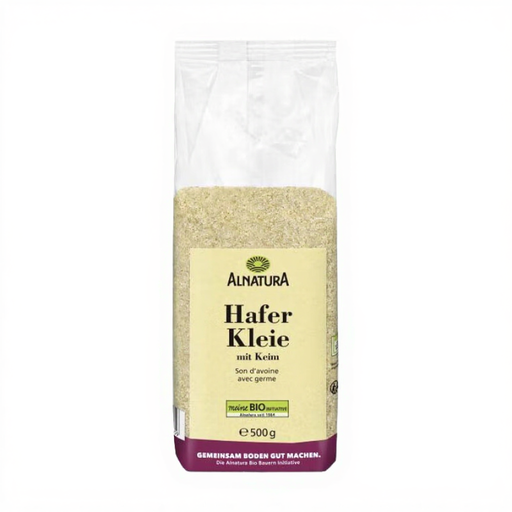 Image unavailable
This oat bran is an option to stir into food or use in baking recipes if you’d prefer bran to whole flakes.
Pack size: 500 g. Before buying, check the exact ingredients against the list on the pack.
 Image unavailable
This fine variety is labelled gluten-free and may suit porridge or baking recipes with specific requirements.
Pack size: 500 g. If you need to eat gluten-free, check the label on the specific pack. To compare fibre content, check its nutritional information per 100 g.
 Image unavailable
This coarse variety is worth considering if you want oats with more texture for breakfast or baking.
Pack size: 500 g. Before buying, check the product type, ingredients and, where relevant, ‘may contain’ information on the pack.
Oat bran is an option if fibre content per 100 g is your priority, but it won’t give you the right texture for every dish. Kölln states that its oat bran flakes contain 19 g of fibre per 100 g, while the Verbraucherzentrale puts the figure for rolled oats at around 10 g per 100 g. If you want visible flakes and more bite in your porridge or baking, try jumbo oats instead and check their nutritional information.
Fine or instant oats are a good choice for a smoother porridge; jumbo oats are better suited to baking with visible flakes. Kölln describes its instant oats as finely processed and its jumbo oats as coarser, with more bite. Also check which type of oats your recipe calls for.
Check the ingredients list, allergen information and any ‘may contain’ warnings on each specific pack. The European Union lists ingredient and allergen information as part of the labelling required for prepacked foods. For example, EDEKA Bio oat bran with germ lists possible traces of other allergens.
If you need to eat gluten-free, don’t assume that standard rolled oats are the same as a product explicitly labelled gluten-free. Check the label on the specific pack and, if you have coeliac disease, follow your individual medical advice.