When choosing oats for a diabetes-conscious diet, plain oats are a good starting point because you can control what goes into them: check the ingredients and factor in the carbohydrates in the whole portion, including any extras. Compare salt levels, but don’t assume that the salt content of a finished meal comes from the oats alone. Choose between fine and coarse oats based mainly on the texture you want and how you plan to prepare them. If you have coeliac disease, look for an explicit gluten-free label.
Who should consider their choice?
People who plan their carbohydrate intake
If you’re putting together a diabetes-conscious breakfast, plain oats let you choose the portion size and other ingredients. Remember to include the carbohydrates in any milk, plant-based drinks or toppings you use.
People keeping an eye on salt
For sweet or savoury oat dishes, you can check the salt level of the main ingredient. Savoury recipes may also include other sources of salt, such as stock, cheese or sauces.
People with texture or gluten requirements
Finer oats are an option if you like a smooth porridge, while coarse oats give you more bite. If you need gluten-free oats because you have coeliac disease, check for an explicit gluten-free label whatever the oat style; this is the advice of the Verbraucherzentrale.
What should you look for when buying?
First decide whether you want plain oats or a mix. Then compare the ingredients and nutritional information, and choose the type of oats that suits how you plan to prepare them.
| What to consider |
What to check |
Who it matters to |
| Ingredients and carbohydrates |
Check the ingredients list for added sweeteners, and take the carbohydrates in your chosen portion and any other ingredients into account. |
When I put together a diabetes-conscious breakfast, I want to be able to plan for the carbohydrates in the whole meal. Around 40% of consumers put a plain, portion-friendly base at the top of their list. |
| Salt in the meal |
Compare the salt content per 100 g; for savoury dishes, also factor in stock, cheese and sauces. |
When making savoury porridge, I want to choose where the salt in my meal comes from. For around 30% of consumers, keeping an eye on salt and ingredients is a priority. |
| Texture |
Choose finer oats for a smoother result, or coarse oats for a more textured dish. |
I want my porridge to soften quickly, or my muesli to keep plenty of bite. The right texture is the most important buying criterion for around 20% of consumers. |
| Gluten-free labelling |
If you have coeliac disease, check that the pack is explicitly labelled “gluten-free”. |
If I need gluten-free oats because I have coeliac disease, the word “oats” isn’t enough. Around 10% of consumers put this label at the top of their list. |
Common misconceptions
-
Assuming every oat-based meal is “diabetic friendly”
Oats contain carbohydrates. A sweetened muesli or ready-made porridge is also not the same as a base of plain oats.
Check the ingredients and factor in portion size and extras when planning your meals, rather than relying on a broad product claim.
-
Assuming the salt level of the oats is the same as that of the finished dish
The salt level on the oat packet describes the product you’ve bought. Stock, cheese, sausages or salty toppings will change the salt content of a savoury porridge.
Compare the nutritional information for the oats, and consider the other recipe ingredients separately.
-
Assuming “fine” or “coarse” oats offer a diabetes-related benefit
These descriptions mainly help you choose the texture and preparation you prefer. On their own, they don’t prove that one type of oats is generally better for people with diabetes.
Choose the texture you like; ingredients, portion size and the meal as a whole are separate things to consider.
-
Checking only for oats if you have coeliac disease
Standard oats are not automatically labelled gluten-free. The Verbraucherzentrale advises people with coeliac disease to buy only oats that are labelled accordingly.
Check the current pack for an explicit “gluten-free” label.
Brands to help you choose
Kölln
Kölln offers different types of oats as well as products designed for porridge.
- Kölln describes its oats as wholegrain, with options including fine and coarse varieties.
- For mixes and other oat products, check the ingredients and nutritional information for the specific variety.
Seitenbacher
Alongside oat products, Seitenbacher offers muesli, granola and snack bars.
- The brand describes oats as an ingredient for porridge and other dishes.
- Not every product in the range is made from plain oats, so check the ingredients and any added sweeteners for each product.
Alnatura
Alnatura offers, among other products, fine-melting and jumbo organic oats.
- Alnatura describes its fine-melting oats as dissolving instantly and its jumbo oats as coarse.
- An organic label is no substitute for checking the ingredients, salt and carbohydrates in the specific product.
REWE / ja!
The range of oats and cereal flakes shown by REWE includes different brands and product types.
- The options shown include fine and coarse oats, as well as oat bran.
- These product types are not interchangeable: check the product name, ingredients and nutritional information on each pack.
EDEKA / Gut & Günstig
Gut & Günstig Extra Fine is a supermarket own-brand option for people looking for fine oats.
- EDEKA24 lists the salt content of Gut & Günstig Extra Fine Oats as 0.02 g per 100 g.
- This figure applies to the product named, not to other varieties or the porridge made with it.
Brüggen
Brüggen produces oats as well as other grain and cereal products.
- Brüggen lists oats among its products.
- When comparing products, the name and nutritional information of the specific retail product are what matter.
Oat products at Joybuy
This selection includes coarse and fine oats, an option labelled gluten-free, a porridge mix and oat bran. Oat bran and the mix are not plain oats; if you need to avoid gluten, in particular, check the current label on the pack.
 Image unavailable
Kölln coarse rolled oats, 500 g
For people who prefer a coarse oat texture in porridge or muesli. The pack contains 500 g. Consider the portion you use and any other ingredients in the meal separately.
View at Joybuy
 Image unavailable
Kölln fine rolled oats, 500 g
For people who prefer finer oats in their porridge. The pack contains 500 g. The type of oats alone doesn’t tell you how the whole meal fits into your personal carbohydrate plan.
View at Joybuy
 Image unavailable
Kölln gluten-free fine rolled oats, 500 g
For people looking for fine oats with a gluten-free label. The pack contains 500 g. If you have coeliac disease, check the label on the current pack.
View at Joybuy
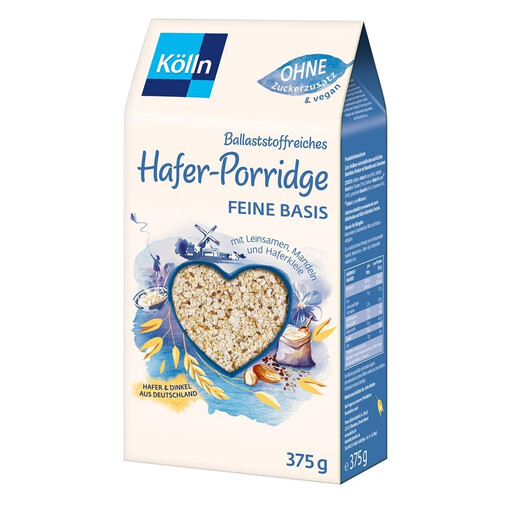 Image unavailable
Kölln Pure Rolled Oat Porridge, 375 g
For people who want a porridge mix rather than plain oats. The pack contains 375 g; according to the product information, it also contains wheat, almonds and linseeds. Check the ingredients and allergens on the current pack.
View at Joybuy
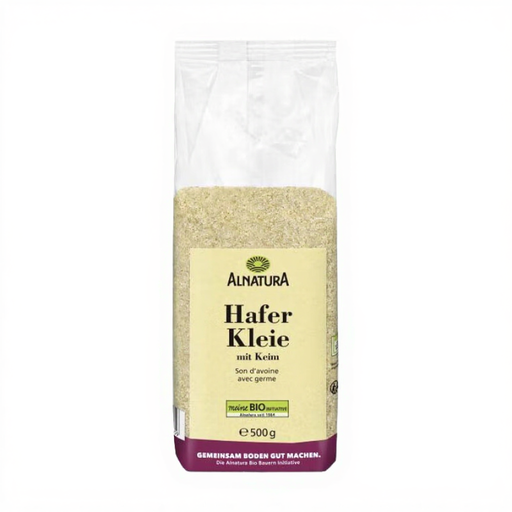 Image unavailable
Alnatura organic oat bran, 500 g
For people looking for oat bran as an ingredient, rather than the usual type of oats for porridge. The pack contains 500 g. According to the product information, it also contains wheat bran; if you need to avoid gluten, check the ingredients and allergen information.
View at Joybuy
Frequently asked questions
Are oats automatically a suitable choice if you have diabetes?
No. The name alone isn’t enough to make that decision: oats contain carbohydrates, and portion size and other ingredients matter too. For a diabetes-conscious choice, you can plan for plain oats and the whole meal using the ingredients list and nutritional information; choosing a product does not replace individual treatment advice.
What does the salt level on a pack of oats tell me about my porridge?
It describes the oats, not the finished dish. For example, EDEKA24 lists the salt content of Gut & Günstig Extra Fine Oats as 0.02 g per 100 g; for savoury porridge, you’ll need to factor in the other ingredients as well.
Which oats make a smoother porridge?
Fine or quick-dissolving oats are a good choice if you want a smoother texture. Coarse oats retain more texture; choosing the consistency you like is separate from checking ingredients and portion size.
Is any pack of oats suitable if you have coeliac disease?
No. The Verbraucherzentrale advises people with coeliac disease to buy only oats explicitly labelled “gluten-free”. Check for this on the current pack; “oats” or “wholegrain” on its own isn’t enough.


