For oat biscuits with visible flakes, jumbo or large-flake oats are a good choice; finer oats are worth considering for a smoother dough. If fibre content is the deciding factor, compare the nutritional information per 100 g and try oat bran in a small test batch first, rather than replacing all the flakes without checking. If you have coeliac disease, make sure the gluten-free label, ingredients and allergen advice for the oat ingredient and all the other recipe ingredients meet your dietary needs.
Which oat ingredients are right for you?
Biscuits bakers looking at fibre content
If you want to compare the fibre content of oat ingredients, check the nutritional information per 100 g and distinguish plain oats from mixed products. Oat bran is an option if you’re also happy to experiment with a different dough texture.
Biscuits bakers focused on texture
Jumbo or large-flake oats are a good choice if you want the flakes to be visible in your bake. For a finer distribution through the dough, look for fine or extra-fine oats, and take the type of oats specified in the recipe into account.
Anyone baking strictly gluten-free
If you have coeliac disease or need to follow a gluten-free diet for medical reasons, check the label on the specific product. You’ll also need to check the ingredients and allergen advice for the other items in your recipe. The German Coeliac Society notes that standard commercially available oats may contain gluten.
What should you look for when buying?
First, choose the flake type to suit your recipe, then compare the nutritional information for the specific products. If you need to follow a strictly gluten-free diet, checking the label takes priority over texture and fibre comparisons.
| Criterion |
What to check |
Who it matters most to |
| Fibre and ingredients |
Compare fibre per 100 g and check the ingredients list; distinguish plain oats from blends. |
If I’m baking oat biscuits and want to choose an ingredient based on its fibre content, I need comparable nutritional information. This is the top priority for around 45% of consumers. |
| Flake texture |
For visible flakes, check jumbo or large-flake oats; for finer doughs, look for fine or extra-fine oats. |
If I want the flakes to remain visible in the finished biscuits, the type used in the recipe matters to me. The desired texture is the main reason for buying for around 33% of consumers. |
| Gluten-free suitability |
If required for medical reasons, check the gluten-free label, ingredients and allergen advice for every recipe ingredient. |
If I need to bake strictly gluten-free, I can’t base my choice on wholegrain claims or flake size alone. Around 22% of consumers put this requirement first when buying. |
Common selection mistakes
-
Assuming “porridge” or “organic” tells you the fibre content
These descriptions don’t tell you the fibre content of a specific product. Kölln lists 9.2 g of fibre per 100 g for its organic fine oats, while Alnatura lists 9.7 g per 100 g for its extra-fine oats.
Compare the fibre information using the same serving basis, and check the ingredients list too if you’re buying a blend.
-
Swapping one type of oats for another without checking the recipe
Flake size affects how prominent the oats are in the dough and finished biscuits. Dr. Oetker uses jumbo oats in one oat biscuit recipe and suggests fine oats as an alternative; that doesn’t mean the two will give you the same texture.
Start with the type of oats specified in the recipe. If you use a different kind, make a small test batch to see whether you get the texture you want.
-
Checking only for “oats” or “wholegrain” if you have coeliac disease
Neither term confirms that a product is suitable for a gluten-free diet. For example, EDEKA24 says that its EDEKA Bio fine oats may contain traces of other cereals containing gluten.
Check the label and allergen advice on the specific pack, and check each of the other recipe ingredients individually, including flour, baking powder, chocolate and decorations.
Brands to consider
The product ranges below include different flake types and labelling. Always check the information on the individual product to make sure it suits your recipe.
Kölln
Kölln’s range includes fine and jumbo oats, as well as oat bran flakes.
- For its organic fine oats, Kölln lists 100% organic wholegrain oats and 9.2 g of fibre per 100 g.
- If you want biscuits with clearly visible flakes, don’t treat the fine variety as interchangeable with jumbo oats.
Alnatura
Alnatura offers extra-fine and large-flake oats as different baking ingredients.
- Alnatura recommends its extra-fine oats for biscuits and lists 9.7 g of fibre per 100 g.
- For its extra-fine variety, Alnatura lists possible traces of soya, milk, almonds, nuts, sesame and lupin. If you need to avoid any of these, check the specific pack.
Seitenbacher
Seitenbacher sells oats labelled gluten-free, as well as oat bran, as separate oat ingredients.
- The manufacturer describes its gluten-free oats as suitable for sweet and savoury dishes.
- If you follow a strictly gluten-free diet, make sure the label, ingredients and allergen advice for the product you choose meet your needs.
ja! / REWE
REWE’s ja! own-brand range includes fine wholegrain oats in small-flake form.
- The “small-flake” description makes it easier to distinguish them from coarser oats for a recipe.
- Whether the finer flakes give you the biscuit texture you want depends on the recipe.
EDEKA Bio
EDEKA Bio sells fine oats as an organic oat ingredient.
- EDEKA24 describes the product as organic oats.
- EDEKA24 lists possible traces of other cereals containing gluten. The organic label alone doesn’t confirm that a product is suitable for a strictly gluten-free diet.
Oat ingredients at Joybuy
This selection includes fine oats for smoother biscuit doughs and oat bran as a possible recipe addition. It also includes a variety of oats labelled gluten-free; if you need to avoid gluten, always check the label on the specific pack.
 No image available
Kölln Fine Oats 500 g
A good option for biscuits if you want the oats to blend more subtly into the dough. If you’re choosing based on fibre content, compare the nutritional information per 100 g on the specific pack.
View at Joybuy
 No image available
Kölln Gluten-Free Fine Oats 500 g
This variety is labelled gluten-free and could suit finer biscuit doughs. If you have coeliac disease, check the label, ingredients and allergen advice on the specific pack, along with those for all the other ingredients in your recipe.
View at Joybuy
 No image available
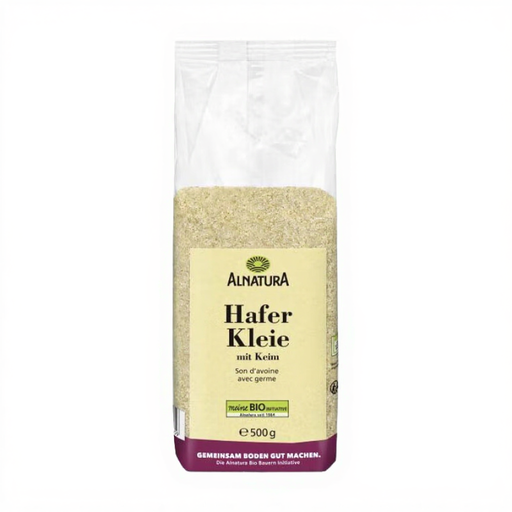
Alnatura Organic Oat Bran 500 g
Try adding oat bran to a small test batch of biscuits first, rather than replacing all the oats. Pay particular attention to the ingredients in this product: the available ingredient information also lists wheat bran, so check the ingredients and allergens on the pack.
View at Joybuy
 No image available
Alnatura Organic Fine Oats
Fine oats are worth considering if you want a less coarse oat texture in your biscuit dough. For a fibre comparison, check the value per 100 g on the specific pack. If you need to eat strictly gluten-free, check the label and allergen advice separately.
View at Joybuy
 No image available
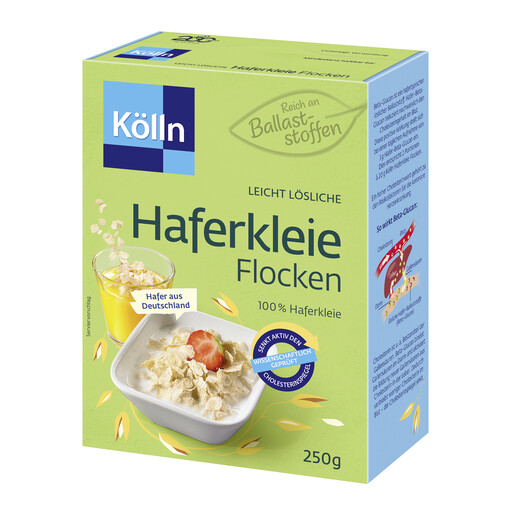
Kölln Oat Bran Flakes 250 g
A suitable oat bran addition for a small test batch if you’re happy for the usual flake texture to change. Kölln describes its oat bran flakes as fine and easily soluble, so try them in your own biscuit recipe and check the texture before adding more.
View at Joybuy
Frequently asked questions
Are jumbo or fine oats better for biscuits?
It depends on the texture you want: jumbo oats remain more visible in the bake, while fine oats give you a finer distribution of flakes. Dr. Oetker uses jumbo oats for oat biscuits and suggests fine oats as an alternative; if you’re swapping them, follow the specific recipe.
Do fine oats automatically contain less fibre?
You can’t tell the fibre content from the flake type alone. Kölln lists 9.2 g of fibre per 100 g for its organic fine oats, while Alnatura lists 9.7 g per 100 g for its extra-fine oats. Compare other products using the nutritional information per 100 g on each pack too.
Can oat bran completely replace oats in a biscuit recipe?
Replacing all the oats isn’t a reliable rule of thumb if you want the visible texture of jumbo flakes. Kölln describes its oat bran flakes as fine and easily soluble. Try adding them to a small batch first, then check the texture of the biscuits.
Are standard oats suitable for people with coeliac disease?
Don’t assume standard oats are suitable just because they’re made from oats. The German Coeliac Society notes that standard commercially available oats may contain gluten. Check for an explicit gluten-free label, as well as the ingredients and allergen advice on the specific pack and all the other ingredients in your recipe.


