For shoppers prioritising fibre
If you’re choosing an oat ingredient mainly for its fibre content per 100 g, you can compare oat bran with traditional flakes. The figure on the specific pack is what matters.


If fibre content is your priority, oat bran is worth considering. Kölln Haferkleie-Flocken, Seitenbacher Haferkleie and REWE Bio Haferkleie contain 19 g, 18 g and 11.8 g of fibre per 100 g respectively. For a smooth texture, try fine or instant flakes; for more bite, coarse flakes are a better choice. If you need a gluten-free ingredient, look for an explicit gluten-free label.
If you’re choosing an oat ingredient mainly for its fibre content per 100 g, you can compare oat bran with traditional flakes. The figure on the specific pack is what matters.
A fine oat product may be a good choice for a savoury sauce or soup. If you want the ingredient to retain some bite in the dish, coarse flakes are worth considering.
If your dish needs a gluten-free ingredient, the words ‘oat flakes’ alone aren’t enough. Check that the specific product is explicitly labelled gluten-free.
First, decide whether fibre content, texture in the dish or a strict gluten-free requirement is your priority. You can then check organic and origin information separately.
| Criteria | What to check | Who it matters to |
|---|---|---|
| Fibre content | Compare the fibre content per 100 g. Assess oat bran and flakes based on the specific product. | If fibre content matters more to me than a hearty texture, I want to compare the packs directly. Around 36% of shoppers put this criterion first. |
| Texture in the dish | Look for descriptions such as fine, instant, coarse or large flakes, then choose a type that suits how you’re cooking. | I need a different texture for a smooth sauce than for a patty with some bite. For around 29% of shoppers, how the product works in a dish is the main consideration. |
| Organic status and origin | Check for specific organic or Demeter certification and any origin information stated on the pack. | If certified farming or origin matters more to me than the highest fibre content, I look for clear, verifiable information. Around 21% of shoppers prioritise this criterion. |
| Gluten-free labelling | If you need a gluten-free product, check that it is explicitly labelled as such, along with the ingredients and allergen information. | If my ingredient needs to be gluten-free, I can’t choose ordinary oat flakes based on the type of grain alone. This requirement comes first for around 14% of shoppers. |
Kölln lists 9.2 g of fibre per 100 g for its fine organic oat flakes and 19 g per 100 g for its oat bran flakes. Texture and fibre content are therefore separate factors to consider.
Compare the nutritional information per 100 g, then decide which type of oats is right for your dish.
The German consumer advice centre Verbraucherzentrale points out that oats labelled gluten-free must be free from contamination with wheat, rye or barley. The word ‘oats’ alone doesn’t tell you this.
If you need a gluten-free product, choose one that is explicitly labelled as such and check the current pack.
Organic or origin information doesn’t also tell you the fibre content. Check the specific product’s labelling and nutritional information when making your choice.
Check certification and origin separately from the fibre content per 100 g.
EDEKA notes in its product information that details online may differ from those on the packaging.
Before buying, check the current information on ingredients, allergens, nutritional values and pack size.
The range includes oat bran, instant flakes and fine oat flakes. The nutritional information applies to each specific product.
Its oat bran, sold as a standalone product, is an option if you’re looking for bran rather than the texture of traditional flakes.
Its large-flake oats may suit shoppers looking for a hearty texture and clear organic certification.
This organic oat bran combines a bran format with specific information about its organic inspection body and agricultural origin.
Its particularly finely textured oat flakes may be an option if you’re looking for a delicate consistency.
These products cover a range of oat formats: a porridge mix, oat bran, and coarse and fine flakes. For an Italian-inspired dish, choose according to how you plan to use them. Being suitable for porridge alone doesn’t mean a product will work for every savoury recipe.
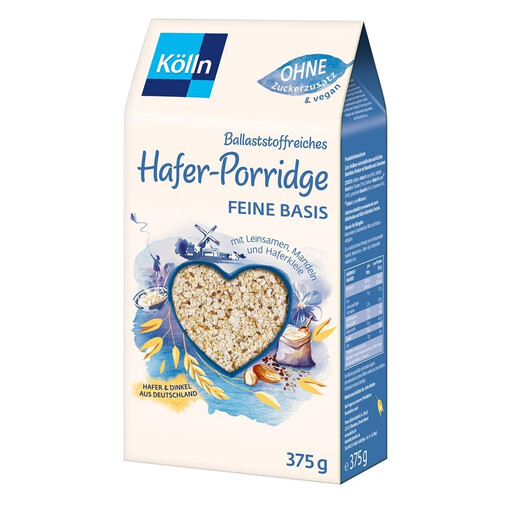 Image unavailable
A porridge mix for a creamy result. For savoury recipes, check that the ingredients and preparation method suit your dish.
If you have specific ingredient or allergen requirements, check the information on the current pack.
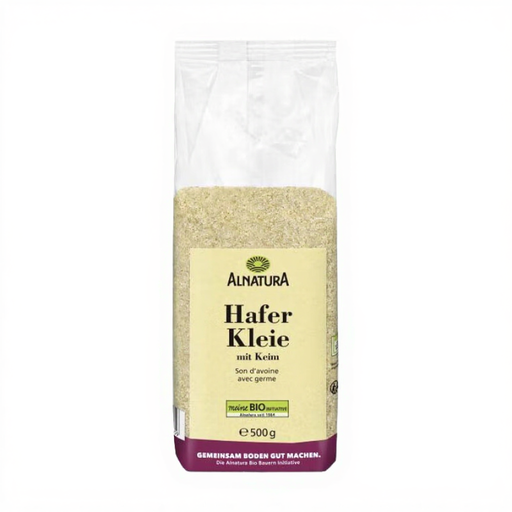 Image unavailable
An oat bran option for shoppers who want to use bran instead of coarse flakes. Make sure it suits the consistency you want for your recipe.
Check the ingredients and allergen information on the current pack.
 Image unavailable
For savoury dishes where coarse flakes are a good fit, such as baking or coating food.
If you need a gluten-free product, check the labelling on the specific pack.
 Image unavailable
These fine flakes are described as suitable for creamy porridge. Whether they work in a savoury sauce depends on the recipe.
If you need a gluten-free product, check the product labelling.
 Image unavailable
Fine flakes for creamy porridge. If you’re using them in a savoury dish, make sure the texture suits your recipe.
Check the ingredients and allergen information on the current pack.
Fine flakes can work well in soup or sauce if you want a smooth consistency. If you want the oat ingredient to retain some bite, large flakes are another option. Choose according to the role they’ll play in your recipe and check the type of flakes on the pack.
There’s no single answer that applies to every product. Kölln lists 19 g of fibre per 100 g for its oat bran flakes, Seitenbacher lists 18 g for its oat bran, and REWE lists 11.8 g for its organic oat bran. Compare the figure on each pack when deciding what to buy.
No. The type of grain alone isn’t enough to make your choice. Look for an explicit gluten-free label on the specific product and check the information on the current pack.
The current information for the specific product is important when making your choice. EDEKA notes that online information may differ from the packaging, so check the nutritional values, ingredients and allergen information against the pack before buying.