Plain wholegrain oats make a good base for a prepared school snack, as long as the texture and ingredients suit your child and the recipe you have in mind. Jumbo oats add bite, while fine oats work well in softer mixtures. If your child has coeliac disease, the Consumer Advice Centre recommends checking that the specific pack is explicitly labelled “gluten-free”. Fibre content and gluten labelling answer different questions.
Which oats are right for you?
Families looking for an oat-based school snack
If you’re planning a mid-morning snack, you can pair oats with fruit and yoghurt or another suitable ingredient. The Federal Centre for Nutrition suggests combining wholegrain foods with fruit or vegetables and dairy products for school snacks.
Families who care about texture
Whether your child prefers a snack with a bit of bite or a softer mixture can help you choose the right oats. According to the Consumer Advice Centre, jumbo oats are rolled from whole oat grains, while fine oats are made from oats that have been cut first.
Households catering for coeliac disease
In this case, “oats” on the label isn’t enough to make your choice. The Consumer Advice Centre recommends choosing oats explicitly labelled “gluten-free” if you have coeliac disease. It’s also important to check the ingredients and any other allergen information on the specific pack.
What to look for when buying
First decide whether you want the oats for a soft mixture, a baked snack or something with a noticeable bite. Then compare the information on the packs and check any allergen labelling you need.
| Criteria |
What to check when buying |
Who it matters most to |
| Wholegrain and fibre |
Compare the ingredients list and fibre content per 100 g; don’t judge a mix by the word “porridge” alone. |
I want to use oats as a wholegrain base for a school snack and know the fibre content of the specific pack. Around 37% of consumers put this first. |
| Texture and preparation |
Choose jumbo oats for bite and fine or porridge oats for softer, soaked mixtures; also consider how you plan to prepare them. |
If my child leaves coarse oats uneaten, the snack needs to suit their preferred texture. That’s why texture comes first for around 27% of consumers. |
| Gluten and allergens |
If you have coeliac disease, check that the pack is explicitly labelled “gluten-free”; also read the ingredients and any other allergen information. |
If I need to avoid gluten, I can’t rely on the oat product’s name alone. This is the main consideration for around 18% of consumers. |
| Organic, origin and where you shop |
Check the specific pack for any organic or origin information you’re looking for, and don’t use the brand name as a substitute for checking its ingredients and nutrition information. |
I want to choose based on organic labelling, origin or a particular place to shop once I’ve found a suitable snack. Around 18% of consumers prioritise this information. |
Common selection mistakes
-
Assuming “high in fibre” means “gluten-free”
These terms describe different qualities. According to the Consumer Advice Centre, oats can come into contact with other gluten-containing cereals during processing.
If you need to follow a gluten-free diet, check for an explicit “gluten-free” label, as well as the ingredients and any other allergen information on the specific pack.
-
Choosing jumbo oats for every school snack
A child who prefers soft mixtures may not enjoy a snack made with jumbo oats. How you prepare them matters too: dry oats are different from soaked or baked oats.
Choose oats to suit the snack you have planned: jumbo for bite, and fine or porridge oats for a softer yoghurt or overnight oats mixture.
-
Treating a sweetened mix like plain oats
A product’s name doesn’t tell you everything about its recipe. Added ingredients and sugar content can vary between plain oats and ready-made mixes.
Read the ingredients list and nutrition information per 100 g if you want to compare a ready-made mix with plain oats.
-
Relying only on the retailer’s website
EDEKA points out that product information on its website may differ from what’s on the packaging. The information on the specific pack can be particularly important when checking ingredients and allergens.
Check the label on the product you’re actually buying, even if you’ve used the same variety before.
Brands to help you choose
Kölln
The range includes different types of oats, including jumbo and fine varieties.
- The Kölln Echte Kernige pack described by REWE contains wholegrain oats; its jumbo texture makes it a good option for snacks with a bit of bite.
- Information about one variety won’t necessarily apply to other Kölln products. If you need a gluten-free option, the pack you choose must carry the appropriate label.
Seitenbacher
According to its own product information, Seitenbacher offers a variety of oats explicitly labelled gluten-free.
- This variety is worth considering if you’re specifically looking for oats with the relevant gluten-free labelling.
- The labelling on this variety doesn’t apply to other mueslis or bars from the brand.
Brüggen
Brüggen makes mill products and cereal flakes, and is also a manufacturer of own-label products.
- The manufacturer’s information describes processing steps such as rolling and packing cereal flakes.
- The fact that Brüggen is the manufacturer doesn’t determine the ingredients, nutrition information or allergen details on a specific own-label pack.
Alnatura
Alnatura’s range includes fine oats. Its product page also features a large-flake Alnavit variety labelled gluten-free.
- Alnatura says its fine oats are made from whole grains that are cut before being rolled.
- Fine and gluten-free are not interchangeable descriptions. Check the label on the pack you choose.
REWE Bio
The own-label range includes organic oats that you can use as a base for homemade snacks.
- For the oat pack described, REWE lists fibre and protein values per 100 g, which you can compare with the information on the pack.
- The pack may contain traces of other gluten-containing cereals; “organic” is not the same as gluten-free labelling.
EDEKA / GUT&GÜNSTIG
The own-label variety described is made up of jumbo oats, ideal for recipes where you want a bit of bite.
- The EDEKA product page describes jumbo oats made from whole oat grains.
- EDEKA points out that information on its website may differ from what’s on the pack. Check the ingredients and allergen information on the specific product.
Oat products at Joybuy
This selection includes fine and jumbo oats, a porridge mix, oats explicitly labelled gluten-free and oat bran flakes. The right choice depends on the type you need for your planned school snack. Check the nutrition information, ingredients and any required labelling on the relevant pack.
 No image available
Kölln fine oats, 500 g
These fine oats are a good option for a softer, prepared oat snack. The product contains gluten, so if you need a pack explicitly labelled gluten-free, choose a variety with the appropriate labelling.
View at Joybuy
 No image available
Kölln jumbo oats, 500 g
The jumbo texture suits snacks where you want a bit of bite, such as a baked recipe. The product contains gluten, so it’s not suitable for a snack that specifically requires gluten-free oats.
View at Joybuy
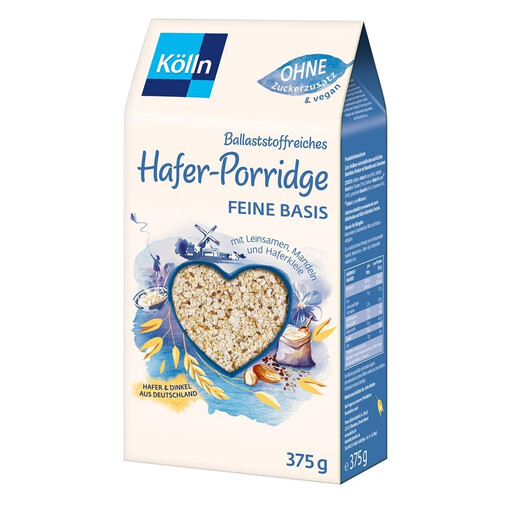 No image available
Kölln Pure Rolled Oat Porridge, 375 g
This porridge is an option for a prepared oat snack, but it isn’t a substitute for a pack of plain oats. Ingredients and allergen information are particularly important when choosing it; the product lists wheat, almonds, milk and peanuts, among other ingredients.
View at Joybuy
 No image available
Kölln gluten-free fine oats, 500 g
This fine variety is explicitly labelled gluten-free, making it a relevant option if you’re looking for an oat product with the appropriate labelling. Before buying, check the current pack, any other allergen information and, if you’re comparing products by fibre content, the nutrition information per 100 g.
View at Joybuy
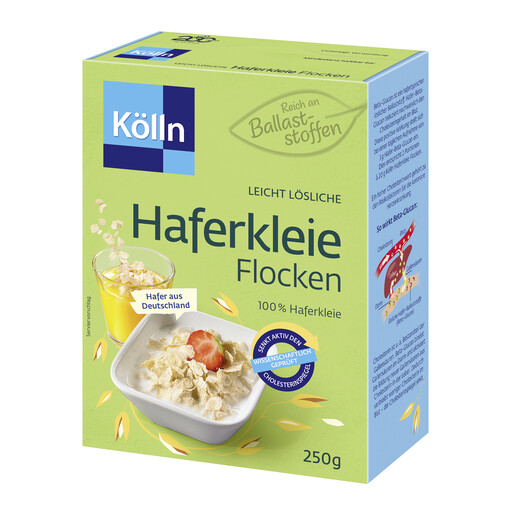 No image available
Kölln oat bran flakes, 250 g
Oat bran flakes can be used in a prepared mixture or baking recipe, but they’re not the same as regular oats. If you want to compare fibre content with other products, use the figure per 100 g on the pack.
View at Joybuy
Frequently asked questions
Which oats are best for a school snack?
It mainly depends on how you plan to prepare them and the texture your child prefers: jumbo oats work well in snacks with a bit of bite, while fine or porridge oats suit softer mixtures. The Federal Centre for Nutrition gives oats with yoghurt and fruit as an example of a school snack.
Are oats enough on their own for a school snack?
Oats can make a good base, but you can pair them with other suitable foods for a mid-morning snack. The Federal Centre for Nutrition suggests combining wholegrain foods with fruit or vegetables and dairy products. Your child’s preferences and needs also matter when putting a snack together.
Are regular oats suitable for coeliac disease?
Don’t choose regular oats for coeliac disease based on the name alone. The Consumer Advice Centre recommends oats explicitly labelled “gluten-free”, as they may come into contact with other gluten-containing cereals during processing. Also check the information on the specific pack.
What should I bear in mind when preparing a snack with yoghurt?
When making an oat snack with yoghurt, include the storage instructions for the products you use in your plans for the school day. Check that the planned storage will keep the snack suitable until break time, rather than storing a prepared mixture containing dairy like a dry cereal bar.


