
Lieferung heute & morgen

Qualitätsgarantie

Willkommens-Angebote freischalten: KOSTENLOSE Lieferung | Bis zu 80 % RABATT | Kostenlose 30-Tage-JoyPlus-Testphase
App herunterladen
A lit check engine light can be unsettling. Are you facing an expensive trip to the mechanic, or is it just a minor issue? An OBD2 diagnostic tool gives you the power to find out for yourself. It allows you to read fault codes, monitor vehicle data in real-time, and even perform maintenance tasks on your own.
This article serves as your guide. We'll explain the crucial functions of modern diagnostic tools and present a selection of models that cater to different needs—from the ambitious DIY mechanic to the professional workshop.
The market offers a wide variety of devices with different features and price points. To make an informed decision, you should consider three core aspects.
Basic devices are often limited to reading and clearing fault codes from the engine control unit. However, for a comprehensive analysis, you need a tool that offers diagnostics for all systems in the vehicle. This includes, but is not limited to:
Advanced models also offer bidirectional control. This function allows you to send commands to vehicle components to test their functionality (e.g., activating a fan or a fuel pump) without having to remove the part.
The connection to the vehicle is made via the OBD2 port, which is standard in most cars built after 2001 (petrol) or 2004 (diesel). The connection to the display device (smartphone, tablet) is often wireless. A Bluetooth car diagnostic tool offers great flexibility and is typically available for Android & iOS. Ensure the device supports wide vehicle coverage for all makes from Europe, Asia, and America, so it remains useful even if you change vehicles.
A crucial factor is the ongoing cost. Many manufacturers charge annual fees for software updates or to unlock advanced features. Models that promise free lifetime updates represent a predictable, one-time investment. This is a significant economic consideration, especially for private users and smaller workshops.
Based on the criteria mentioned, we have compiled a selection of tools that stand out for their functionality and cost model.
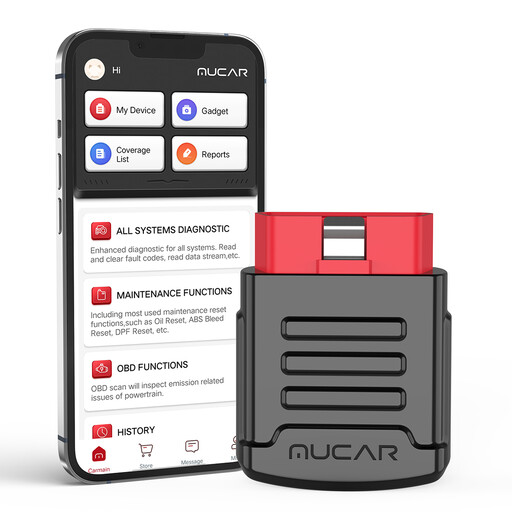
Why it stands out: The MUCAR BT200 Pro is a compact Bluetooth adapter that offers full system diagnostics with no ongoing costs. It combines portability with a solid feature set for regular vehicle maintenance.
Advantages:
Who is it for? This tool is a great choice for dedicated DIYers and car enthusiasts looking for a cost-effective, portable tool for in-depth diagnostics and basic maintenance on various vehicles.
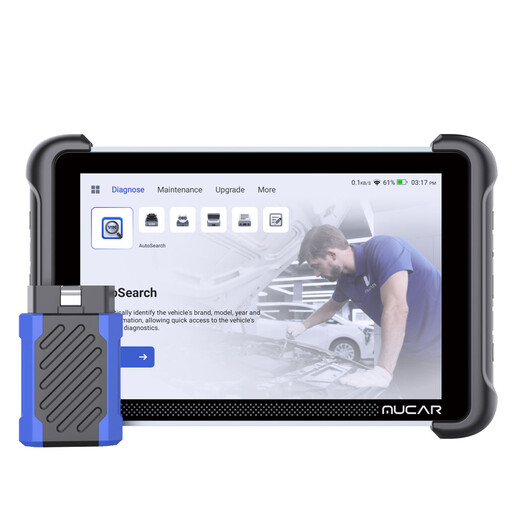
Why it stands out: The MUCAR 892BT is a tablet-based diagnostic system that combines professional features like ECU coding and bidirectional control with the benefit of free lifetime updates.
Advantages:
Who is it for? Ideal for ambitious DIY mechanics, independent technicians, and small to medium-sized workshops that need a powerful all-in-one device without ongoing subscription costs.
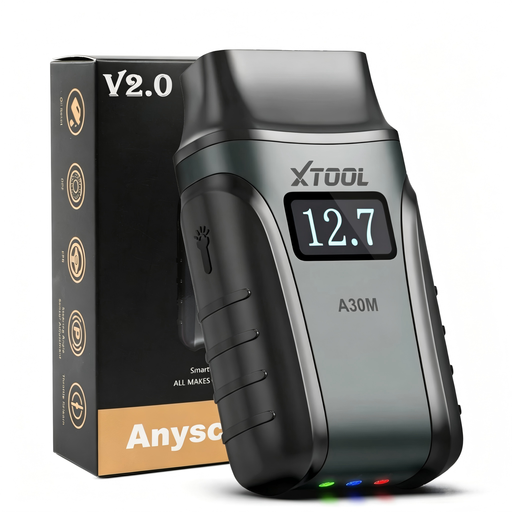
Why it stands out: The XTOOL A30M is a versatile Bluetooth adapter that combines OE-level system diagnostics, bidirectional control, and a large number of service functions with free lifetime updates.
Advantages:
Who is it for? This device is aimed at home mechanics and DIY users who want professional-level functionality, especially bidirectional control, in a compact and cost-effective package with no recurring costs.
The models presented here cover a broad spectrum of use cases. If you haven't found the right tool for your specific needs yet, you can find a larger selection of vehicle diagnostic tools in our Car Diagnostic & Programming Unit category.
No, not necessarily. While the basic OBD2 protocols for emission-related fault codes are standardized for most vehicles from 2001 (petrol) or 2004 (diesel) onwards, access to manufacturer-specific systems like ABS, airbag, or transmission varies greatly. Always check the manufacturer's compatibility list for your specific vehicle make, model, and year before purchasing.
A simple basic code reader usually focuses only on the engine control unit (ECU) and displays generic P-codes (Powertrain). A full system diagnosis, often referred to as "diagnostics for all systems," accesses all control units installed in the vehicle. This enables a deeper and more precise fault analysis, as many vehicle functions are networked across systems.
No. Tampering with the odometer is illegal and is not supported by reputable diagnostic tools. OBD2 devices are for diagnostics, maintenance, and troubleshooting. They can read the mileage from the control unit, but they cannot alter it.