
Lieferung heute & morgen

Qualitätsgarantie

Willkommens-Angebote freischalten: KOSTENLOSE Lieferung | Bis zu 80 % RABATT | Kostenlose 30-Tage-JoyPlus-Testphase
App herunterladen
An illuminated check engine light can quickly lead to uncertainty and the fear of high repair bills. An OBD2 diagnostic tool promises a solution: read fault codes yourself, understand the cause, and perform minor maintenance tasks independently. But the market is confusing and full of pitfalls that can quickly lead to a costly purchasing mistake. As a Joybuy Product Recommendation Officer, I'll help you separate the wheat from the chaff and find a device that truly fits your needs.
Before you invest, you should be aware of the most common marketing promises and their hidden drawbacks. Many users regret their purchase because they fall for one of these three points:
To objectively evaluate a device's range of functions, you should examine three core areas. These determine whether a device is just a simple fault code reader or a powerful tool for ambitious DIY mechanics.
On-board diagnostics (OBD) are divided into different levels. The most basic function is reading the emission-related fault codes from the engine control unit (ECU). This is legally required and handled by every OBD2 scanner.
However, for a comprehensive analysis, access to other control units is essential:
A device that offers diagnostics for all systems provides a complete picture of the vehicle's condition and is essential for serious troubleshooting.
Modern vehicles require components to be reset or re-learned via the diagnostic interface after many maintenance tasks. These functions save real money by making a trip to the workshop unnecessary. The most important ones include:
The more of these service functions a device supports, the more versatile it is for everyday workshop use.
These features distinguish professional-grade tools from simple scanners:
Here are three recommendations tailored to different user profiles that specifically avoid the pitfalls mentioned.
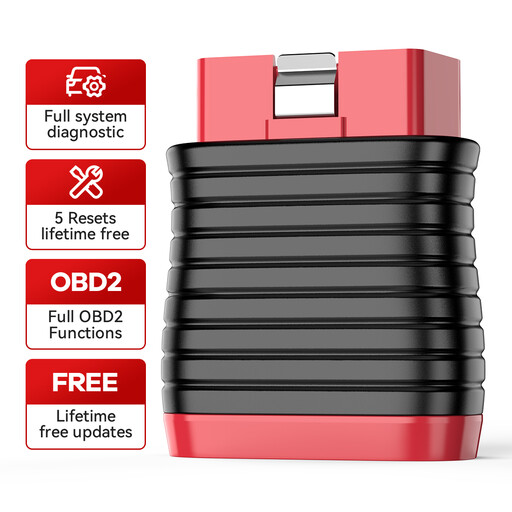
Why This Fits Their Persona: Ideal for drivers who want to quickly and easily read and clear fault codes. It's operated simply via an app for iOS & Android, making the device very compact and portable. Perfect for understanding the cause of an illuminated warning light and performing basic maintenance like an oil reset yourself.
This device bypasses the subscription trap with lifetime free use of the full-system diagnostics and the 5 included reset functions. The scope of functions is clearly defined, so no unexpected costs arise.
Offers full-system diagnostics that go far beyond just reading engine faults. Includes 5 essential service functions (IMMO, Oil, Brake, ABS, Throttle) for the most common maintenance tasks.
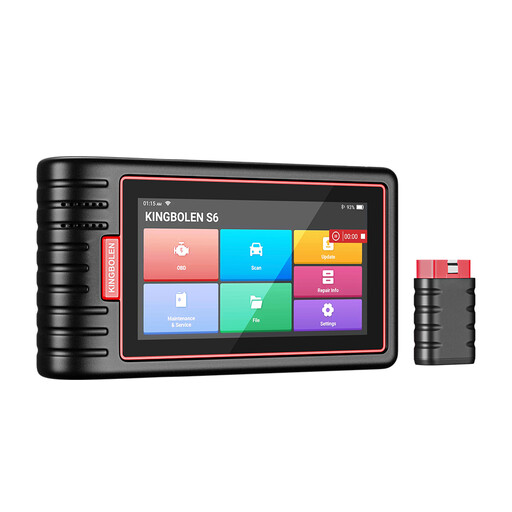
Why This Fits Their Persona: For the dedicated hobby mechanic who regularly works on different vehicles and wants to do more than just read fault codes. This tablet-based device offers deep system diagnostics and a wide range of service functions to perform complex maintenance tasks and maintain full control.
Offers lifetime free updates for all system diagnostic functions and the 28 reset functions. Support for the CAN FD protocol also makes it future-proof for newer vehicle models, avoiding the incompatibility trap.
A comprehensive package with 28 maintenance functions (incl. DPF, SAS, BMS, etc.) and all-system diagnostics. The wireless Bluetooth connection to the VCI dongle offers maximum flexibility when working on the vehicle.
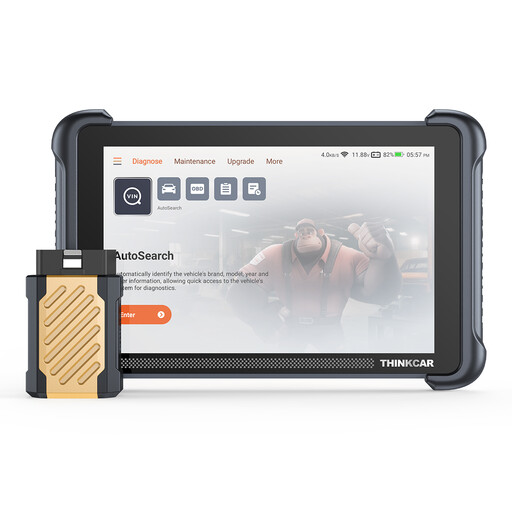
Why This Fits Their Persona: For professional workshops or highly ambitious enthusiasts who require OE-level functions. This device not only allows for in-depth diagnostics but also active system interventions through bidirectional control and ECU coding for adaptations and retrofits.
A one-time investment with no recurring costs: Offers lifetime free updates for all functions, including the professional features. Support for CAN FD & DoIP ensures compatibility with the latest vehicle generations and protects against obsolescence.
Features professional functions like ECU coding and bidirectional control (active tests). The large 8-inch tablet and powerful hardware enable fast and efficient diagnostics.
We have compiled a complete, up-to-date list of products that fully meet these strict selection criteria and regulations.
As a rule, all petrol vehicles registered in the EU from 2001 onwards and diesel vehicles from 2004 onwards are OBD2 compatible. For US vehicles, this has been the case since 1996. However, for guaranteed compatibility, especially with advanced functions, you should always check the vehicle coverage list provided by the respective manufacturer before making a purchase.
A simple fault code reader can only access the engine control unit and read and clear emission-related fault codes (P-codes). A tool with full-system diagnostics can access almost all control units installed in the vehicle, including ABS, airbag, transmission, air conditioning, and more. This allows for a much deeper and more comprehensive fault analysis.
For the models presented here and many others in our range, the promise of lifetime updates is a core feature provided by the manufacturer. This means you will receive software updates for new vehicle models and functions for the entire lifespan of the device at no extra cost. This is a crucial factor in avoiding the subscription trap and keeping long-term operating costs low. However, it is always advisable to verify this information in the product description before purchasing.