
Lieferung heute & morgen

Qualitätsgarantie

Willkommens-Angebote freischalten: KOSTENLOSE Lieferung | Bis zu 80 % RABATT | Kostenlose 30-Tage-JoyPlus-Testphase
App herunterladen
The check engine light comes on—a moment that causes anxiety for many drivers. Reaching for an OBD2 diagnostic tool promises quick answers and the chance to save on repair costs. But the market is confusing and full of pitfalls. A cheap device can quickly turn into a costly mistake when hidden fees or technical limitations make it impossible to use.
As a Joybuy Product Recommendation Officer, I'm here to help you separate the wheat from the chaff. In this guide, I'll show you the most common traps when buying a car diagnostic tool and the crucial features you need to look for to find the right tool for your needs—whether you're a DIY enthusiast or a professional technician.
Before you invest, you should be aware of the typical marketing promises that often lead to disappointment.
To avoid a bad purchase, you should check three core technical aspects. These determine whether a device is suitable for your purposes.
The most important distinction lies in the scope of access to the vehicle's electronics.
For ambitious users and workshops, passive diagnostic functions are not enough. This is where advanced capabilities come into play.
A future-proof tool is characterized by a fair update policy and modern hardware.
Based on the criteria mentioned, we have compiled a selection of devices that offer a solid solution for different user profiles.
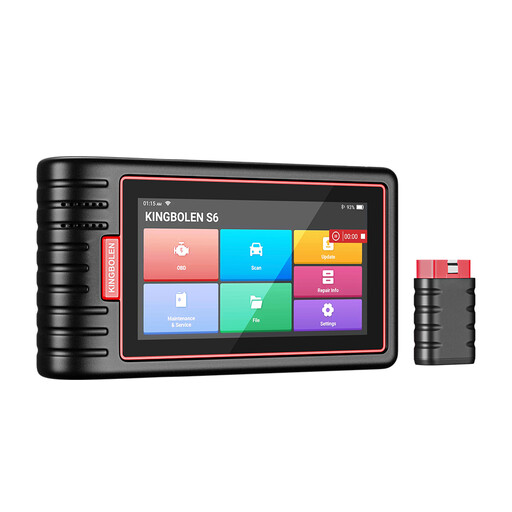
Why This Fits Their Persona: Ideal for the home mechanic who wants to do more than just read fault codes. This device offers full system diagnostics and a wide range of service functions to perform common maintenance tasks like oil or brake resets yourself, saving costs in the long run.
Sidesteps the subscription trap with lifetime free updates for all basic functions and diagnostic software. A one-time investment with no recurring costs.
Offers full system diagnostics for all control units and over 28 service reset functions, which is an extensive feature set for this price range.
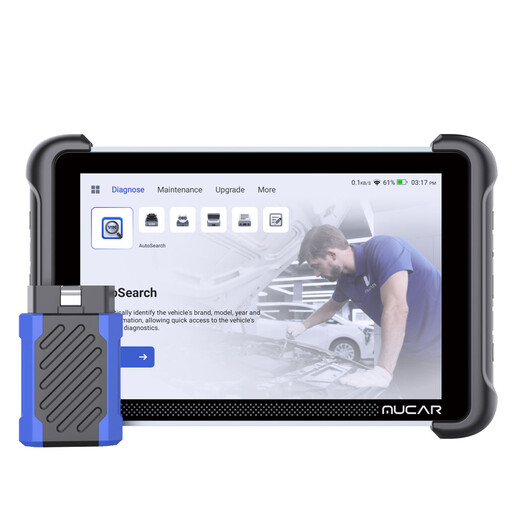
Why This Fits Their Persona: Perfect for the experienced user who wants to perform in-depth analysis and active tests. This tablet-based system offers professional features like bi-directional control and ECU coding for advanced repairs and customizations.
Ensures future-proofing with native support for CAN FD and DoIP. This makes it ready for diagnosing the latest vehicle models and avoids the incompatibility trap.
Provides bi-directional control and ECU coding, features normally reserved for more expensive professional-grade tools. The lifetime free updates maximize its value.
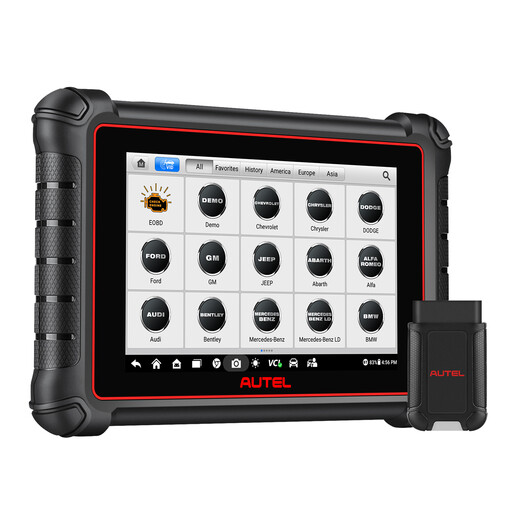
Why This Fits Their Persona: Designed for daily workshop use. This device combines OE-level system diagnostics with over 40 service functions, full bi-directional control, and advanced hardware for maximum efficiency and broad vehicle coverage.
Avoids the superficial diagnosis trap with OE-level system coverage. It offers not just code reading, but also detailed live data, ECU information, and active tests at a professional level.
Comprehensive protocol support including CAN FD and DoIP, as well as FCA AutoAuth access. The robust hardware with Android 11 and a fast processor ensures a smooth workflow.
We've compiled a complete, up-to-date list of products that fully meet these strict selection criteria and UK regulations.
Not necessarily. While the OBD2 port has been standardized in Europe since around 2001 (petrol) and 2004 (diesel), functionality depends on the tool and the vehicle. A simple tool can usually read emission-related engine faults on most vehicles. However, for access to all other systems (ABS, airbag, etc.) or for compatibility with very new vehicles (with CAN FD/DoIP), a more advanced diagnostic tool with specific software for your vehicle brand is required. Always check the manufacturer's compatibility list.
This term usually refers to the lifetime of the device model, not the buyer's lifetime. The manufacturer commits to providing software updates for that specific model, covering new vehicle models, error codes, and minor feature improvements, without charging annual license fees. This is a significant cost advantage over subscription-based models. However, it doesn't necessarily mean that completely new, later-developed diagnostic functions (e.g., a new type of coding) will be added for free.
Yes, caution is advised here. Functions like ECU coding and bi-directional control are powerful tools that can damage control units or misconfigure safety-critical systems if used improperly. They are primarily intended for professional automotive technicians or very experienced DIY mechanics who know exactly which parameters they are changing. Beginners should stick to reading fault codes, viewing live data, and using standardized service reset functions.