
Lieferung heute & morgen

Qualitätsgarantie

Willkommens-Angebote freischalten: KOSTENLOSE Lieferung | Bis zu 80 % RABATT | Kostenlose 30-Tage-JoyPlus-Testphase
App herunterladen
An illuminated check engine light or an upcoming service reminder on the dashboard often raises the same question: should you go directly to a workshop, or can you identify the problem yourself? The costs for a professional vehicle diagnosis can add up quickly. Owning an OBD2 diagnostic tool offers a practical and cost-effective alternative. It allows you to read, understand, and in many cases, even reset service functions yourself.
This guide is designed to help you understand how these devices work and make an informed purchasing decision. We will introduce you to different types of devices and provide a selection of models for various needs—from simply reading fault codes to performing complex diagnostic tasks.
The market offers a wide variety of devices with different feature sets. To find the right model for your needs, you should consider the following points.
The most basic function of any device is that of an automotive code reader. Such devices can read and clear fault codes from the Engine Control Unit (ECU)—ideal for determining the cause of an illuminated check engine light.
For more comprehensive insights, an all-system diagnostic tool is necessary. These devices can access not only the engine control unit but also other important modules like the ABS (Anti-lock Braking System), SRS (Airbag), transmission control, and air conditioning. This is crucial for diagnosing problems that do not directly affect the engine. Many of these devices also feature an integrated reset function, which allows you to reset maintenance indicators like the oil service or the Electronic Parking Brake (EPB) after a replacement.
Modern diagnostic tools come in two main variants: wired handheld units and compact Bluetooth OBD2 scanners. The latter are plugged into the vehicle's OBD2 port and connect wirelessly to a car diagnostic app on your smartphone or tablet. This solution is flexible and often more affordable.
Also, pay attention to the supported protocols. While most vehicles manufactured after 2004 use CAN bus technology, newer models employ more advanced protocols like CAN FD (Controller Area Network Flexible Data-rate). A device that supports CAN FD is more future-proof and compatible with the latest vehicle generations.
For hobby mechanics and semi-professional users who want to do more than just read fault codes, advanced features are relevant. A professional-grade diagnostic tool often offers bi-directional control (also known as an active test). This allows you to directly command individual components and actuators from the diagnostic tool to test their function (e.g., turning on a fan or activating an injector). Functions like ECU coding also enable adjustments and configurations to the vehicle's control units.
Based on the criteria mentioned above, we have compiled a selection of devices that cover different areas of application.

Why it stands out The ThinkScan 689 is a powerful tablet-style diagnostic tool that combines professional features with a significant cost advantage: lifetime free updates. This eliminates annual subscription fees, greatly reducing long-term operating costs.
Pros
Who is it for? For advanced DIYers and semi-professional workshops looking for an all-in-one device with in-depth diagnostic capabilities who want to avoid ongoing costs.
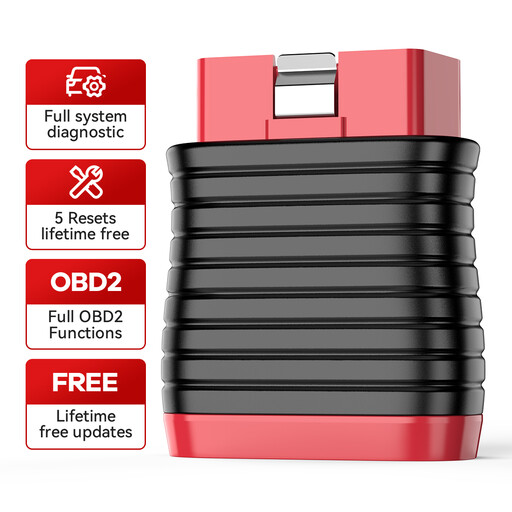
Why it stands out The THINKDIAG BD6 is a compact and user-friendly Bluetooth OBD2 scanner that brings diagnostic functions directly to your smartphone (iOS & Android). It focuses on the essential functions for daily maintenance and fault analysis, also with the benefit of lifetime free use.
Pros
Who is it for? For vehicle owners who want a straightforward solution for basic system diagnostics and key maintenance tasks, and who appreciate the flexibility of a smartphone app.
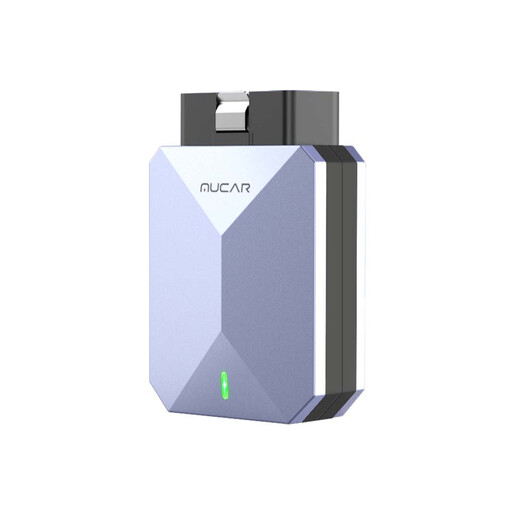
Why it stands out The MUCAR BT200 MAX combines the compactness of a Bluetooth adapter with features typically found only in more expensive devices. A special feature is its AI-powered diagnostics, which interprets fault codes and provides concrete repair recommendations, which is particularly helpful for beginners.
Pros
Who is it for? For tech-savvy home users and hobby mechanics looking for a versatile and future-proof tool with professional diagnostic capabilities in a compact format.
The models presented here cover a broad spectrum of requirements. If the right solution for your specific use case or vehicle model isn't among them, you can find more options in our comprehensive Vehicle Diagnostic Code Scanners category. There, you can filter specifically for devices with special functions or for particular vehicle brands.
A basic automotive code reader communicates exclusively with the engine control unit. It can read and clear engine-related fault codes (P-codes). An all-system diagnostic tool can additionally access all other electronic modules in the vehicle, such as ABS, Airbag (SRS), transmission, air conditioning, and body electronics. This allows for a much deeper and more comprehensive fault diagnosis.
That depends on the manufacturer and model. Some, especially professional workshop-grade devices, require annual subscriptions for software updates and access to new vehicle models. However, the models recommended in this article are distinguished by the fact that they include lifetime free updates. After the one-time purchase, there are no further fees.
Yes, many modern diagnostic tools have a reset function for various maintenance tasks. Resetting the oil service indicator is one of the most common functions. However, it is important to check the product description and the list of supported functions and vehicles before purchasing to ensure that the device is suitable for your specific model and year.