
Lieferung heute & morgen

Qualitätsgarantie

Willkommens-Angebote freischalten: KOSTENLOSE Lieferung | Bis zu 80 % RABATT | Kostenlose 30-Tage-JoyPlus-Testphase
App herunterladen
Purchasing your own OBD2 diagnostic tool is a crucial step toward gaining control over vehicle maintenance and reducing long-term workshop costs. However, the market is overwhelming and filled with products that overpromise and underdeliver. Many ambitious DIY mechanics and workshop owners invest in a device only to find it's unsuitable for their needs. Before you make a decision, it's essential to understand the most common pitfalls.
To find the right tool, don't be swayed by marketing promises. Instead, focus on clearly defined technical parameters. These three criteria are decisive for the utility and future-viability of your diagnostic tool.
A basic fault code reader only accesses the engine control unit to read emissions-related faults according to the legally mandated OBD2 standard. A professional-grade automotive diagnostic tool, on the other hand, can access all control units (ECUs) installed in the vehicle. These include, among others:
Before purchasing, check carefully whether the device offers a full system diagnosis for your specific vehicle models and not just generic OBD2 functions.
Modern vehicles require an electronic reset or calibration after many maintenance tasks. An OBD2 scanner with service reset capabilities saves you a trip to the workshop. The most important functions include:
The number and availability of these functions vary greatly. Define which tasks you want to perform yourself and choose a device with the corresponding range of functions.
Bi-directional control (also known as an active test) is the feature that distinguishes a diagnostic tool from a simple code reader. It allows you to send commands to the vehicle to test individual components and actuators. For example, instead of replacing a window motor on a hunch, you can command it directly via the diagnostic tool to check its function. This significantly speeds up troubleshooting and prevents the unnecessary replacement of perfectly good parts.
Based on the criteria mentioned, we have compiled a selection of devices that represent a suitable solution for different user groups.
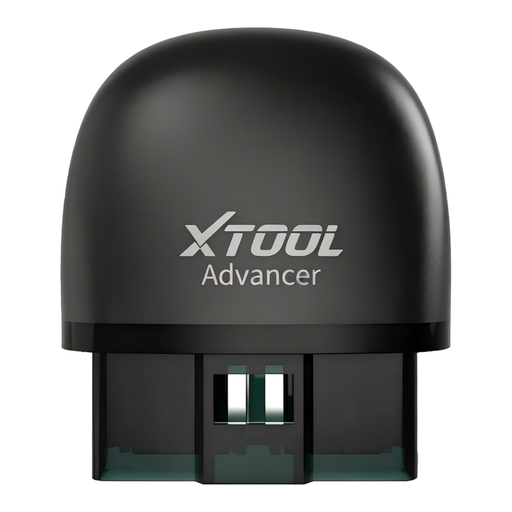
Why This Fits Their Persona: Ideal for beginners who want to do more than just read engine codes without a high initial investment. The compact Bluetooth adapter transforms a smartphone into a full-featured diagnostic tool for all vehicle systems.
Offers free lifetime updates for all functions. This eliminates the typical subscription trap that leads to recurring costs with many budget-friendly devices.
Diagnoses all systems, not just the engine. Includes key functions like oil service reset and battery testing, which go beyond simple fault analysis.
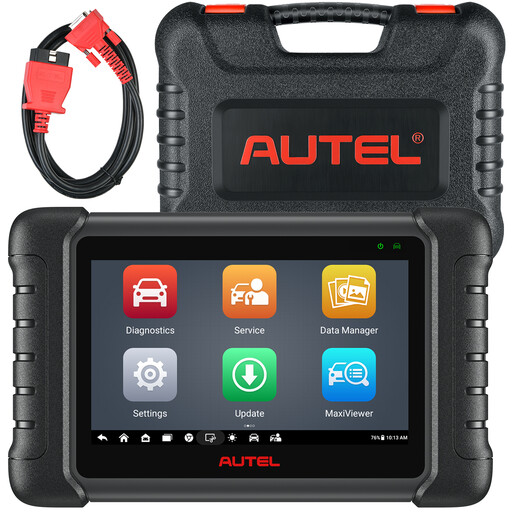
Why This Fits Their Persona: For the advanced user who wants to perform repairs themselves, not just read codes. The tablet-based system offers a clear user interface and a feature set that goes far beyond basic diagnostics.
Provides true bi-directional control and a wide range of service functions. This bypasses the limitation of many devices that can only passively display data.
Comprehensive system coverage for over 10,000 models and more than 38 service functions. The active control of components allows for precise and rapid troubleshooting.
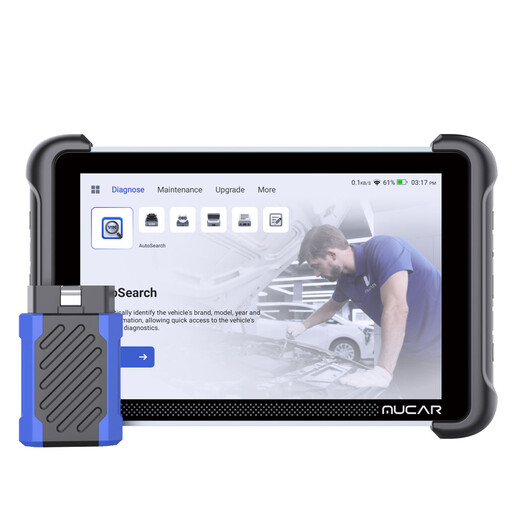
Why This Fits Their Persona: Designed for small workshops and professional users who need a tool with maximum functionality and no recurring costs. Supports the latest vehicle protocols and advanced features like ECU coding.
Offers free lifetime updates for all functions, including advanced coding and new vehicle models. This ensures maximum cost certainty in a professional setting.
Supports CAN-FD & DoIP protocols for the latest vehicle generations. Offers advanced ECU coding and full bi-directional control, enabling workshop-level diagnostics.
We've compiled a complete, up-to-date list of products that fully meet these strict selection criteria and current regulations.
The OBD2 standard has been mandatory in the EU for petrol vehicles since 2001 and for diesel vehicles since 2004. This means that basic engine and emissions data can be read from almost all modern vehicles. However, for manufacturer-specific, in-depth diagnostics (ABS, airbag, etc.) and service functions, you should always check the manufacturer's compatibility list for your exact vehicle model and year.
"Lifetime updates" means that the manufacturer updates the device's software at no additional cost. This is crucial because new vehicle models with new software are released every year. Without updates, a diagnostic tool quickly becomes obsolete and can no longer correctly analyze newer vehicles. A device with this feature represents a secure long-term investment and protects against unexpected follow-up costs from subscriptions.
No. The diagnostic tools presented here are designed for fault analysis, maintenance, and repair. Odometer tampering is a criminal offense and is not supported by these tools. Their function is limited to reading control unit information and performing legitimate service and repair procedures.