
Lieferung heute & morgen

Qualitätsgarantie

Willkommens-Angebote freischalten: KOSTENLOSE Lieferung | Bis zu 80 % RABATT | Kostenlose 30-Tage-JoyPlus-Testphase
App herunterladen
An illuminated check engine light can signify anything from a minor glitch to a serious problem. Instead of heading straight to the workshop, an OBD2 diagnostic tool allows for an initial assessment of the situation. However, the market offers a bewildering variety of options: from simple devices for reading fault codes to professional systems with ECU coding. This guide serves to help you identify the right device for your purposes—whether you're an ambitious DIY mechanic or a professional auto repair shop. We'll introduce different functional classes and present a selection of models for various applications.
Choosing the right tool largely depends on your technical requirements and the vehicles you'll be servicing. Three criteria are particularly crucial.
The range of functions determines what you can do with the tool.
Ensure the tool is compatible with your vehicles. While the OBD2 standard has been mandatory in the EU since 2001 (petrol) and 2004 (diesel), manufacturers often use proprietary protocols for deep diagnostics. Look for broad vehicle coverage and support for modern protocols like CAN-FD and DoIP, which are used in newer vehicle models.
Additionally, consider the connection type:
The price range is vast. A crucial factor is software updates. Some manufacturers offer free lifetime updates, making the device very economical in the long run. Other models require annual license fees or subscriptions to maintain full functionality and compatibility with new vehicle models. Factor these potential ongoing costs into your decision before purchasing.
Based on the criteria mentioned, we have compiled a selection of tools for different user groups.
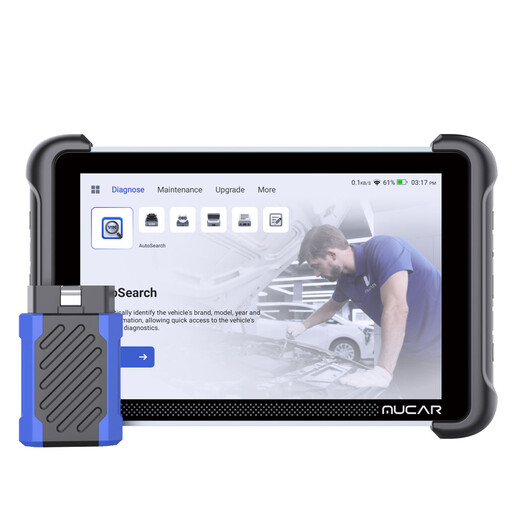
Why it stands out: The MUCAR 892BT is positioned as a professional tool that impresses with its value proposition: it offers advanced features like ECU coding and bidirectional tests with the benefit of free lifetime updates.
Pros:
Who it's for: Professional auto shops and experienced technicians looking for a powerful, future-proof, all-in-one tool without recurring software costs.
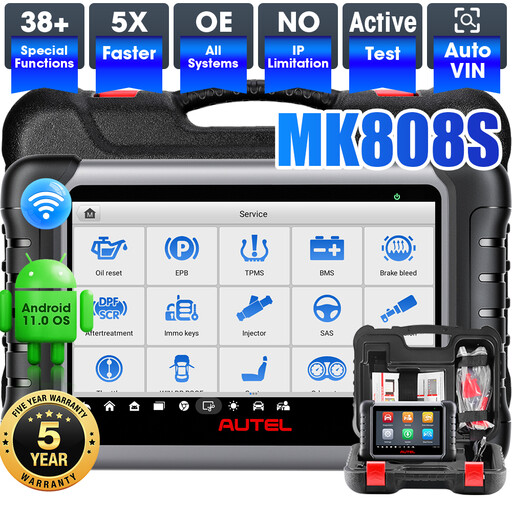
Why it stands out: The Autel MK808S is an established model known for its reliability and balanced feature set. It brings crucial bidirectional control to a price point accessible to ambitious DIY enthusiasts.
Pros:
Who it's for: Ambitious DIY mechanics and small to medium-sized workshops seeking a reliable car diagnostic tool with advanced testing capabilities.
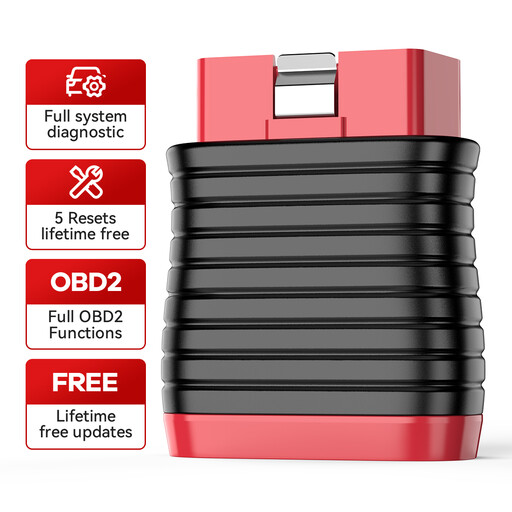
Why it stands out: The THINKDIAG BD6 is an extremely compact and cost-effective solution for anyone wanting to turn their smartphone into a powerful diagnostic tool. It focuses on essential functions without ongoing costs.
Pros:
Who it's for: Car owners and hobby mechanics looking for a straightforward and affordable way to read fault codes, clear errors, and perform basic maintenance themselves.
If the models presented here don't exactly meet your needs, or if you want to compare other alternatives for specific vehicle brands or budgets, you can find a wider selection in our Vehicle Code Readers & Scan Tools category.
1. What is the difference between a basic OBD2 scanner and a full car diagnostic tool? A basic OBD2 scanner is limited to the legally mandated On-Board Diagnostics (OBD), which primarily monitors emission-related faults in the engine and transmission control units. A full-fledged car diagnostic tool can also access all manufacturer-specific systems in a vehicle, such as ABS, airbag, comfort electronics, and infotainment. It also often offers advanced functions like service resets or coding.
2. Can I change the mileage with an OBD2 diagnostic tool? No. Reputable diagnostic tools are designed exclusively for fault analysis, repair, and maintenance of vehicles. Mileage manipulation is an illegal act and is not technically supported by these tools. Their main purpose is to read and clear fault codes and perform maintenance functions.
3. Do I always need a subscription for a Bluetooth diagnostic tool? It depends on the manufacturer and the specific model. Some devices, like the THINKCAR BD6 featured here, offer basic diagnostic and service functions for free for life. Other models, especially in the professional segment, require annual fees after an initial free period to receive software updates and access the full range of features. It is advisable to check the update policy carefully before purchasing.