
Lieferung heute & morgen

Qualitätsgarantie

Willkommens-Angebote freischalten: KOSTENLOSE Lieferung | Bis zu 80 % RABATT | Kostenlose 30-Tage-JoyPlus-Testphase
App herunterladen
An illuminated check engine light can quickly cause alarm. The first impulse is often to buy a budget-friendly OBD2 diagnostic tool to avoid garage fees. But the market is flooded with devices whose advertising claims often fail to deliver in practice. As your Joybuy Product Recommendation Officer, I'll help you identify the common pitfalls and make an informed decision.
Many buyers fall into well-disguised marketing traps that lead to frustration and unnecessary expense. Before you invest, you should be aware of these three common problems:
To avoid a bad buy, don't be dazzled by marketing buzzwords. Instead, focus on verifiable technical features. Here are the three most important criteria for selecting a suitable car diagnostic tool.
A simple fault code reader is usually limited to the engine control unit (ECU) and emissions-related data. A fully-fledged automotive diagnostic tool, however, should be able to access all systems. This means it can read and clear fault codes and display live data from all electronic modules installed in the vehicle. In addition to the main systems, this includes comfort systems, chassis, and body electronics. Before buying, check exactly which systems are covered for your specific vehicle model.
Modern vehicles require components to be reset or re-learned after many maintenance tasks. This is where the wheat is separated from the chaff. Look for the availability of essential reset functions to genuinely save on workshop visits:
The more of these functions are included, ideally at no extra cost, the higher the device's utility.
For advanced users and workshops, enhanced capabilities are crucial. These functions are usually found only in higher-priced devices but offer enormous added value:
Based on the criteria mentioned, we have compiled a selection of devices that offer a suitable and transparent solution for different user groups.
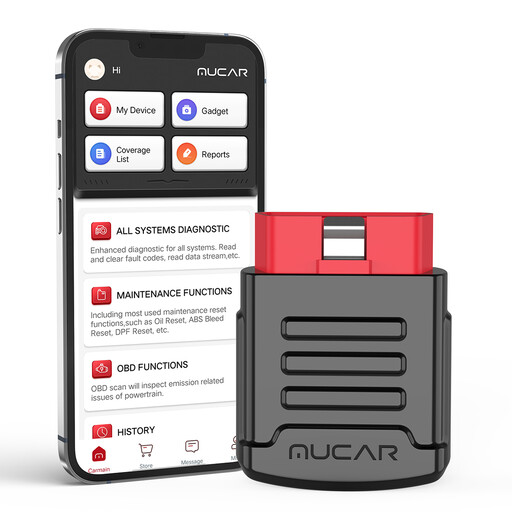
Why it's a good fit: Ideal for DIYers who need more than just a simple code reader. The compact adapter connects via Bluetooth to your smartphone (iOS & Android), eliminating the cost of a separate tablet. It offers a cost-effective entry into in-depth diagnostics.
This model offers lifetime free updates for all systems diagnostics. The 15 reset functions are free for one year, after which they can be purchased if needed. This transparent cost structure prevents unexpected subscription fees.
Provides full system diagnostics instead of just an engine analysis, which is a rarity in this price range. Using your own smartphone makes it flexible and space-saving.
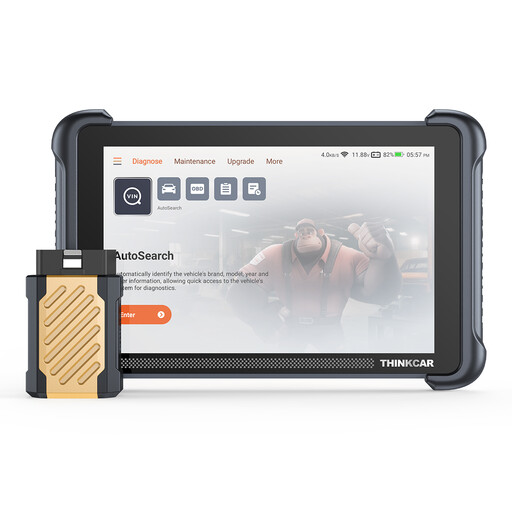
Why it's a good fit: A powerful tablet solution for users who regularly perform complex maintenance and repairs themselves. It combines deep system diagnostics with advanced features that go far beyond simply reading codes.
This device explicitly advertises lifetime free updates for all software, including the 34+ reset functions, bidirectional control, and ECU coding. There are no hidden subscription fees.
Offers professional features like CAN FD and DoIP support, which are otherwise only found in much more expensive workshop-grade tools. The combination with the lifetime update policy makes it a very economical choice.
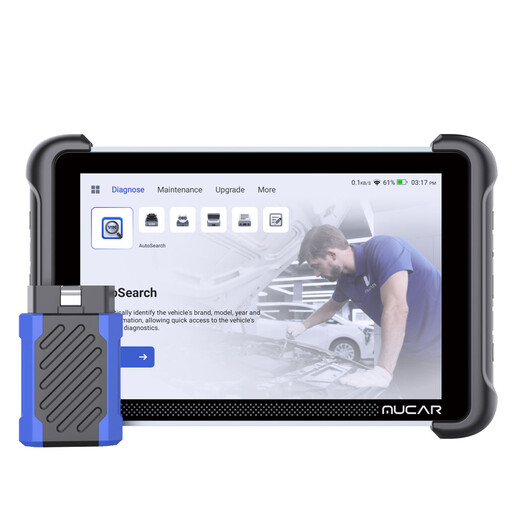
Why it's a good fit: Designed for daily use in the workshop. The 8-inch tablet, broad vehicle coverage, and support for the latest protocols make it a reliable workhorse for professional auto technicians who need efficiency and a wide range of functions.
Eliminates one of a workshop's biggest running costs: software licenses. The policy of lifetime free updates for all functions, including ECU coding and new vehicle data, provides a clear and predictable cost structure with no recurring fees.
Delivers OE-level (original equipment) diagnostics with advanced ECU coding, CAN-FD & DoIP support, and is expandable with professional tools like oscilloscopes or endoscopes. An all-in-one device for demanding workshop use.
We have compiled a complete, up-to-date list of products that fully meet these strict selection criteria.
In the European Union, the OBD2 standard has been mandatory for all petrol vehicles since 2001 and for all diesel vehicles since 2004. This means a standard OBD2 device can at least read the engine's emissions-related fault codes. However, to access all systems like ABS, airbags, or comfort electronics, the specific device's compatibility with your vehicle brand and model is crucial. Therefore, always check the manufacturer's vehicle coverage list.
This term is interpreted differently by manufacturers. Ideally, as with some of the models mentioned above, it includes all software updates, including new vehicle models, new features, and bug fixes, with no time limit and no additional costs. For other providers, however, it may only refer to the device's operating system, while fees are charged for the actual diagnostic software after a certain period. It is crucial to read the product description carefully or contact the manufacturer if in doubt.
Yes, significantly. Simply reading a fault code at a workshop often costs between ?30 and ?80. With your own device, you can identify the cause of a warning light yourself and decide whether it's a minor issue (e.g., a loose fuel cap) or a serious repair. For simple maintenance tasks like an Oil Reset or resetting the brake pads after a change, you save the trip and the cost of the workshop visit entirely. For complex mechanical or electronic defects, the tool serves as a preliminary diagnostic aid but does not replace the work of a qualified technician.