
Lieferung heute & morgen

Qualitätsgarantie

Willkommens-Angebote freischalten: KOSTENLOSE Lieferung | Bis zu 80 % RABATT | Kostenlose 30-Tage-JoyPlus-Testphase
App herunterladen
An illuminated check engine light can be unsettling. It often brings to mind a costly trip to the workshop just to diagnose the problem. An OBD2 scanner offers a practical solution. It allows you to read your vehicle's fault memory yourself, understand the meaning of the codes, and reset the warning light after a repair.
As your Joybuy Product Recommendation Officer, my job is to provide you with clear and objective information. This guide explains the essential functions of OBD2 devices and presents a selection of models to help you find the right tool for your needs.
The selection of devices is vast. To find the right model, you should consider three key aspects.
The most important requirement is that the device is compatible with your vehicle. In the European Union, the EOBD standard (the European version of OBD2) applies to most petrol vehicles from the 2001 model year onwards and diesel vehicles from the 2004 model year onwards. Ensure the diagnostic tool supports common protocols like CAN, KWP2000, ISO9141, and J1850. Many manufacturers provide detailed compatibility lists. Check these before purchasing, or contact the seller with your vehicle details (make, model, year, fuel type).
The range of functions determines what you can do with the device.
Here is a selection of devices with different specialities that can help you take control of your vehicle maintenance.

Why It Stands Out: The VDIAGTOOL VD10 is a classic, wired handheld scanner designed for straightforward and rapid engine diagnostics. It requires no batteries, no app, and no pairing, making it a highly accessible tool.
Advantages:
Who Is It For? For car owners and home mechanics looking for a reliable, easy-to-use device to quickly identify the cause of a check engine light without dealing with apps or Bluetooth connections.
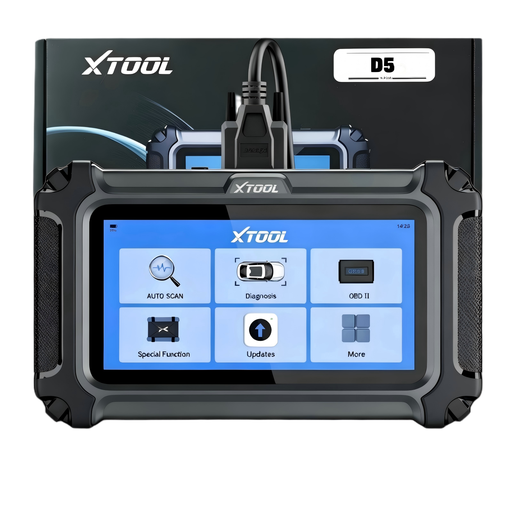
Why It Stands Out: The XTOOL D5 is a tablet-based diagnostic tool that goes far beyond simple engine diagnostics. It offers access to multiple vehicle systems and a wide range of service reset functions, making it a tool for advanced users.
Advantages:
Who Is It For? For ambitious DIY enthusiasts and small workshop operators who need a powerful tool for in-depth system diagnostics and performing common maintenance tasks.
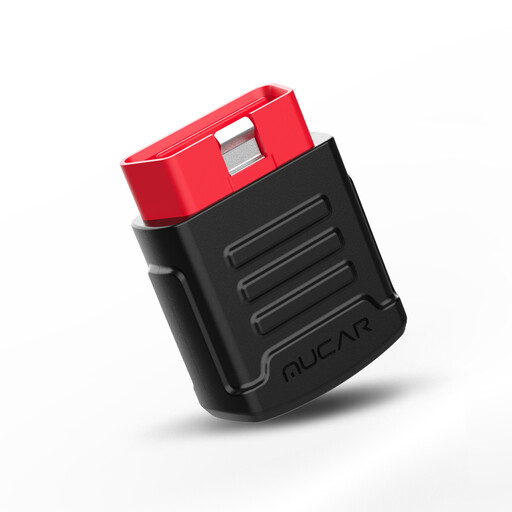
Why It Stands Out: The MUCAR BT200 is a compact Bluetooth adapter that transforms your smartphone into a powerful diagnostic tool. It offers full system diagnostics with lifetime free access, which is a standout feature in this price range.
Advantages:
Who Is It For? For tech-savvy car owners who prefer the flexibility of an app-based solution and are looking for a cost-effective way to perform comprehensive diagnostics on all vehicle systems.
The models presented here cover common use cases. However, if you have more specific requirements or are looking for other accessories for your vehicle, you can find additional alternatives in our range.
Discover a wider selection of diagnostic tools and accessories in our Car Engine Scanners category.
That depends on the model. Basic devices focus on reading and clearing engine-related fault codes. Advanced models like the XTOOL D5 offer dedicated menu options to reset maintenance indicators such as the oil service, electronic parking brake (EPB), or battery management system (BMS). Check the product description for the explicit mention of the desired service reset function.
The warning light on the dashboard (e.g., the check engine light) is just a general indication that the vehicle has registered a fault. The OBD2 scanner reads the corresponding fault code (DTC, Diagnostic Trouble Code). This code, for example, "P0301," provides precise information about the problem (in this case, "Cylinder 1 Misfire Detected"). The code enables targeted troubleshooting and repair.
Not necessarily. Although most vehicles in Europe have complied with the EOBD standard since the early 2000s, there can be differences in protocol implementation. It is advisable to check the compatibility list provided by the scanner's manufacturer before purchasing. Reputable sellers also allow you to inquire with your specific vehicle data (make, model, year, engine) to ensure compatibility.