
Lieferung heute & morgen

Qualitätsgarantie

Willkommens-Angebote freischalten: KOSTENLOSE Lieferung | Bis zu 80 % RABATT | Kostenlose 30-Tage-JoyPlus-Testphase
App herunterladen
Vehicle electronics are becoming increasingly complex. An illuminated check engine light or an upcoming service warning can be a challenge for professional mechanics and ambitious DIY enthusiasts alike. A reliable OBD2 diagnostic tool is therefore no longer a luxury, but an essential instrument for accurately identifying faults, performing maintenance, and maintaining full control over your vehicle.
This guide serves as a point of reference. It introduces different types of devices and explains the crucial functions to provide you with an objective basis for your selection—whether you're looking for a tool for a professional workshop or for personal use.
The choice of the right device depends heavily on your specific needs. Three central criteria help to narrow down the options.
A modern all-makes car diagnostic tool should not only support the OBD2 port, which has been standardised in the EU since 2001 (petrol) and 2004 (diesel). Newer vehicles, especially those built from 2020 onwards, use advanced communication protocols like CAN-FD and DoIP (Diagnostics over Internet Protocol). Before purchasing, check if the device is compatible with the makes and models you work on and supports these new protocols to ensure you are equipped for future vehicles.
The range of functions determines what you can do with the tool. The most basic function is reading and clearing fault codes. However, for more advanced work, extended capabilities are required:
Vehicle technology is constantly evolving. A good diagnostic tool with lifetime updates ensures that your device remains compatible with new vehicle models and software versions without incurring annual subscription fees. This is a crucial factor for the long-term cost-effectiveness of the tool.
Based on the criteria mentioned, we have compiled a selection of devices that cover different areas of application.
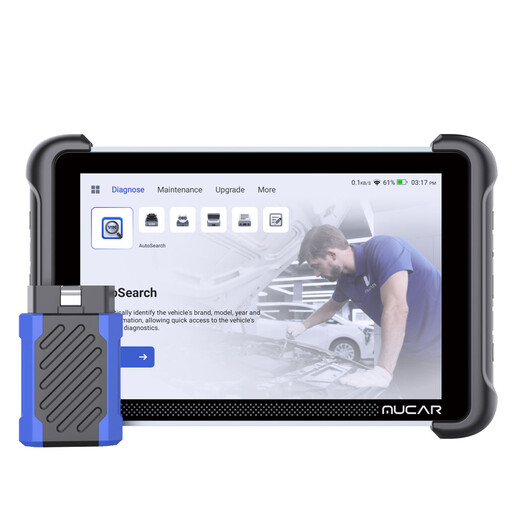
Why It Stands Out The MUCAR 892BT is designed as a comprehensive diagnostic solution for professional use. It combines an extensive feature set with broad vehicle coverage and no ongoing subscription costs, making it a cost-effective choice for workshops.
Advantages
Who It's For Professional auto mechanics, independent workshop operators, and ambitious enthusiasts looking for a powerful, future-proof, all-in-one diagnostic tool with no recurring costs.
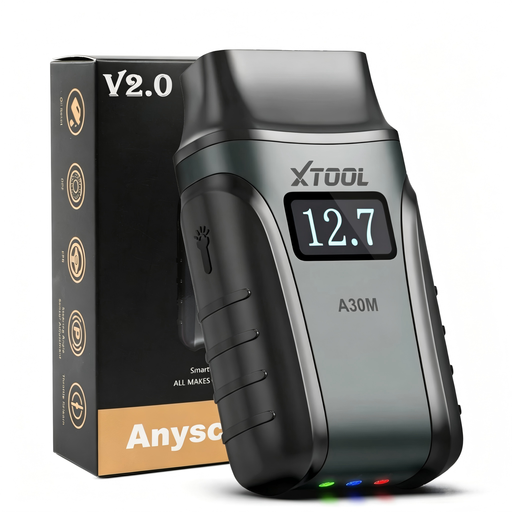
Why It Stands Out The XTOOL A30M is a compact and wireless Bluetooth OBD2 scanner that delivers professional features like bidirectional control in a mobile format. It connects via Bluetooth to an Android or iOS device, offering maximum flexibility.
Advantages
Who It's For Tech-savvy car owners and hobby mechanics who want a portable tool with advanced diagnostic capabilities and prefer to perform diagnostics conveniently from their smartphone or tablet.
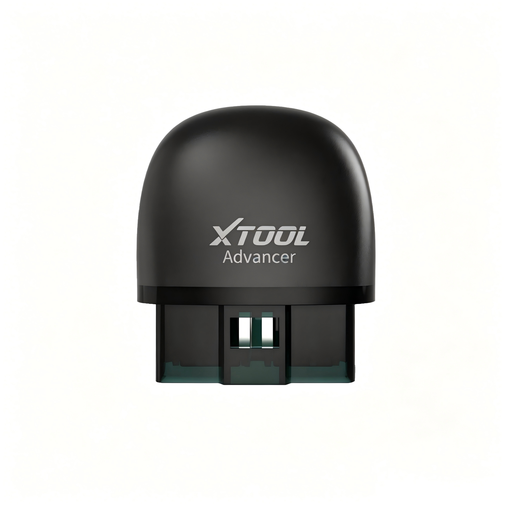
Why It Stands Out The XTOOL AD20Pro V2.0 is an exceptionally compact and affordable Bluetooth adapter, ideal for getting started with vehicle diagnostics. It offers basic to intermediate functions for everyday use and turns any smartphone into a simple diagnostic tool.
Advantages
Who It's For Car owners and DIY beginners looking for a straightforward and cost-effective solution to read fault codes, monitor their vehicle's health, and perform minor maintenance tasks like an oil reset themselves.
The models presented here cover a broad spectrum, but the market offers many other specialised devices. If you are looking for a diagnostic tool with different features or for specific vehicle brands, you can find more alternatives in our comprehensive category.
Discover More Automotive Code Readers Here
1. Can I reset the service light with an OBD2 tool? Yes, many modern OBD2 diagnostic tools offer this function. The ability to reset the oil service, brake maintenance (EPB), or other intervals is a standard feature in the service functions of many devices. However, it is important to check compatibility with your specific vehicle model before purchasing, as support can vary depending on the manufacturer and year.
2. What is the difference between simply reading fault codes and bidirectional control? A basic diagnostic tool can only receive information from the vehicle (unidirectional communication), meaning it can read fault codes and live data. A device with bidirectional control can also send commands to the vehicle's control units (two-way communication). This allows you to specifically actuate individual components like pumps, valves, or motors to test their function, which significantly speeds up and refines the troubleshooting process.
3. Are "lifetime updates" truly free of hidden costs? For the models presented here from manufacturers like MUCAR and XTOOL, the term "lifetime free updates" means that there are no recurring subscription fees for updating the device software and vehicle database. You pay once for the device and receive access to future updates. This is a significant advantage over some other professional systems where annual license fees are common.