
Lieferung heute & morgen

Qualitätsgarantie

Willkommens-Angebote freischalten: KOSTENLOSE Lieferung | Bis zu 80 % RABATT | Kostenlose 30-Tage-JoyPlus-Testphase
App herunterladen
The check engine light is on—a familiar scenario for many drivers. An OBD2 diagnostic tool promises quick answers and can potentially save you from high repair shop costs. But the market is confusing and full of pitfalls. Many devices turn out to be expensive mistakes, either because they aren't compatible with your vehicle or their features fall far short of what was advertised.
As your Joybuy Product Recommendation Officer, I'm here to help you separate the wheat from the chaff. In this guide, I'll show you the most common pitfalls to avoid and the crucial features to look for to find the right car diagnostic tool for your needs.
Before you make a decision, you should be aware of the typical problems that often only become apparent after the purchase.
To avoid a bad purchase, you should check three core technical aspects. These determine whether a device is suitable for your purposes and will continue to offer value in the future.
The most basic function is reading fault codes. However, there are massive differences here:
For ambitious DIY mechanics and workshops, advanced functions are essential:
A good diagnostic tool is an investment. Therefore, pay attention to:
Based on the criteria mentioned, we have compiled a selection of devices that represent a sensible solution for different user profiles.
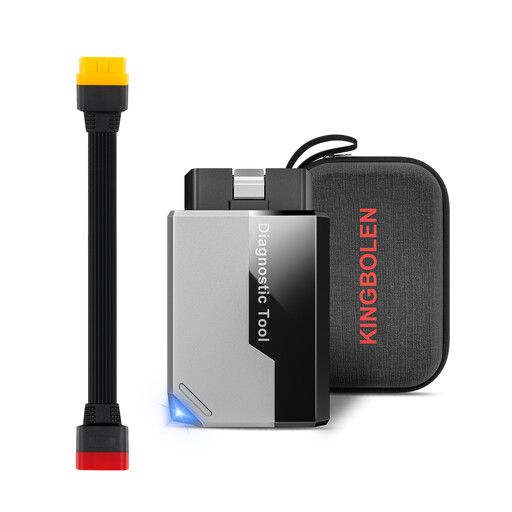
Why This Fits Their Persona: Ideal for budget-conscious car owners who want to do more than just read fault codes. This compact Bluetooth diagnostic tool turns a smartphone into a powerful tool for all-system diagnostics and basic maintenance tasks.
Offers lifetime free updates for all-system diagnostics and over 15 service functions. This completely eliminates the trap of hidden subscription costs.
Comprehensive All-System Diagnostics and basic bidirectional tests in a very compact and cost-effective format. High vehicle coverage for most brands from 1996 onwards.
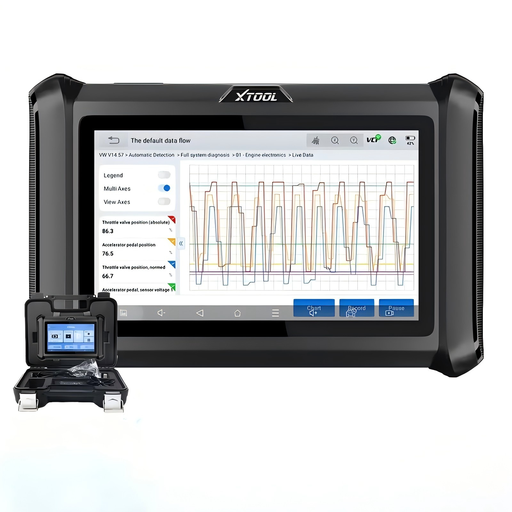
Why This Fits Their Persona: Perfect for advanced users who want to perform more in-depth procedures. This tablet-based device offers advanced features that go far beyond simply reading fault codes, enabling active troubleshooting.
Avoids the trap of limited functionality by offering bidirectional control, basic ECU coding, and support for CAN FD/DoIP. The 3 years of free updates are a transparent and fair compromise.
Delivers a feature set that approaches the professional level, including over 39 service functions and active tests. Support for modern protocols makes it future-proof.
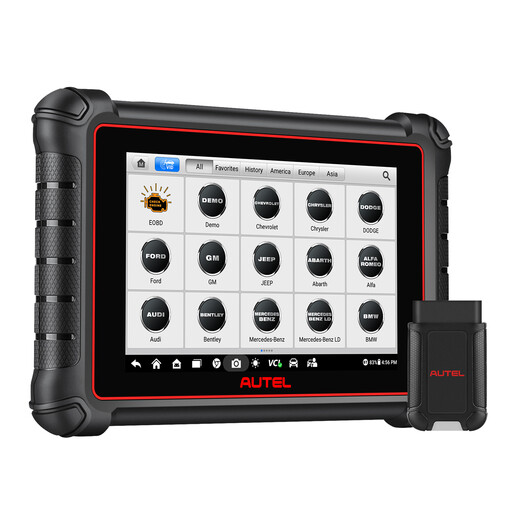
Why This Fits Their Persona: Designed for daily use in a workshop. This device combines robust hardware with a professional feature set required for efficient diagnosis and repair of a wide range of vehicles.
Support for CAN FD and DoIP is built-in, ensuring compatibility with the latest vehicle models and avoiding the pitfall of outdated protocols. The Autel brand is known in professional circles for its reliable software.
Comprehensive bidirectional control, over 40 service functions, and stable wireless diagnostics via the VCI. Its broad vehicle coverage and support for expansion modules (e.g., battery tester) make it a versatile tool.
We have compiled a complete, real-time updated list of products that fully meet these strict selection criteria and all applicable regulations.
The term "lifetime updates" typically refers to the lifespan of the product itself, not the buyer. This means that as long as the manufacturer supports the device model and provides updates for it, you will receive them for free. Even if updates are discontinued, the device remains fully functional with the last installed software version, but it will no longer support newer vehicle models or features.
That depends on the vehicles you work on. If you primarily work on cars built before 2020, these protocols are often not necessary. However, if you plan to work on newer models from brands like General Motors, BMW, Volvo, or Land Rover, support for CAN FD and DoIP is highly recommended to ensure full diagnostic functionality.
No. Odometer fraud (mileage manipulation) is illegal and a criminal offence in many countries, including Germany. Standard OBD2 diagnostic tools are not designed for this purpose and do not offer such a function. Professional workshop tools may have functions for odometer correction after replacing an instrument cluster, but this is a legitimate repair procedure and has nothing to do with illegal manipulation.