
Lieferung heute & morgen

Qualitätsgarantie

Willkommens-Angebote freischalten: KOSTENLOSE Lieferung | Bis zu 80 % RABATT | Kostenlose 30-Tage-JoyPlus-Testphase
App herunterladen
As a Joybuy Product Recommendation Officer, I see ambitious DIY mechanics and workshop owners searching for the right diagnostic tool every day. The complexity of modern vehicles and rising repair shop costs make a powerful all-system OBD2 diagnostic tool a wise investment. However, the market is confusing and full of pitfalls that can quickly lead to a costly purchasing mistake. Before you invest, you should be aware of the typical marketing traps.
The three most common mistakes when buying a diagnostic tool are:
To avoid these problems, it is crucial to carefully examine the technical specifications of a device.
A high-performance diagnostic tool is more than just a tool for reading and clearing fault codes. For ambitious users, three core parameters are decisive, determining the utility and longevity of your investment.
A professional automotive diagnostic tool differs from simple code readers in its ability to actively communicate with the vehicle. Look for the following features:
Vehicle electronics are evolving rapidly. To ensure your device doesn't become obsolete after a short time, two aspects are of central importance:
User-friendliness depends heavily on the form factor and connection technology.
Based on the criteria mentioned, we have identified a few models that represent a well-considered choice for different user profiles.
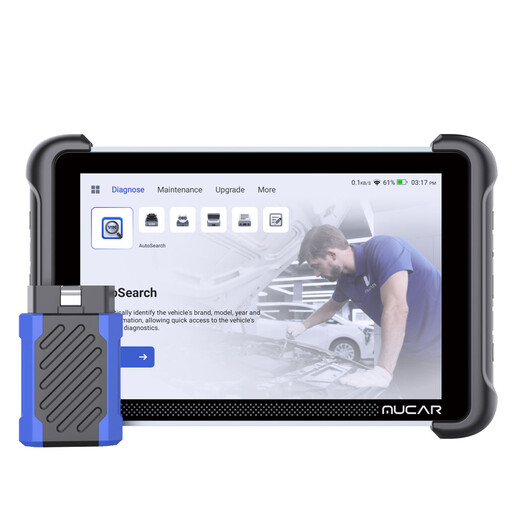
Why This Fits Their Persona: This tablet-based device offers a range of functions that go far beyond the basics. It is ideal for users who not only want to read fault codes but also perform complex adjustments and repairs themselves without being tied to an expensive subscription.
Thanks to lifetime free updates, the subscription trap is eliminated. Support for CAN-FD & DoIP makes it future-proof for modern vehicles.
Offers advanced features like ECU coding and bi-directional control, which are typically found only in more expensive devices. The 8-inch touchscreen tablet ensures comfortable operation.
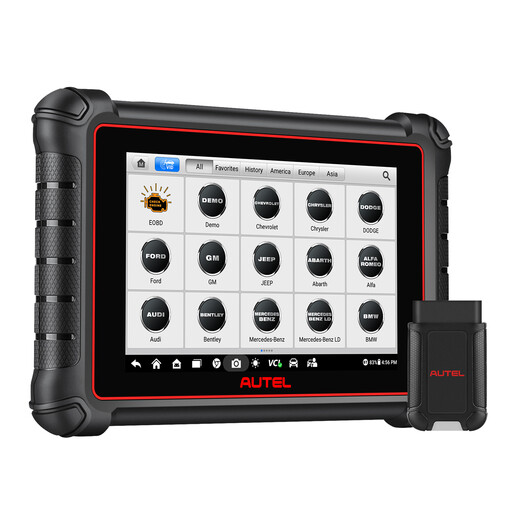
Why This Fits Their Persona: For professional use where reliability, broad vehicle coverage, and efficiency are paramount. This tool from Autel provides comprehensive OE-level diagnostics and is designed for daily workshop use.
Integrated support for CAN FD and DoIP without additional adapters ensures compatibility with the latest vehicle models. The comprehensive system coverage prevents superficial diagnoses.
Offers over 40 service functions and powerful bi-directional control. The ability to expand with a battery tester (BT506) or endoscope (MV108S) increases its versatility in daily workshop operations.
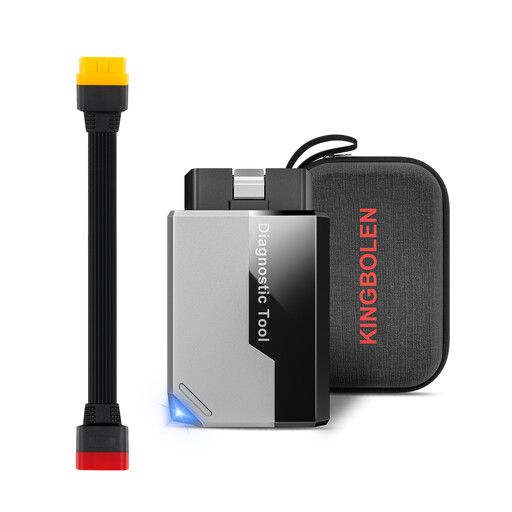
Why This Fits Their Persona: A cost-effective solution for anyone looking to turn their smartphone into a powerful diagnostic tool. This Bluetooth dongle is ideal for DIY enthusiasts who want to perform in-depth diagnostics and even active tests without investing in an expensive tablet device.
The model advertises lifetime free updates for all system diagnostics, 15 reset functions, and bi-directional tests. This completely eliminates the risk of hidden recurring costs.
Offers an exceptional range of features for a Bluetooth adapter, including bi-directional control and CAN-FD support. Its compact design and the use of your own smartphone make it extremely portable.
We have compiled a complete, up-to-date list of products that fully meet these strict selection criteria and UK regulations.
A stable internet connection (Wi-Fi) is generally required for initial setup, activation, and downloading software updates. A connection is also needed for online functions such as ECU online coding or accessing repair databases. However, standard diagnostic tasks like reading and clearing fault codes can usually be performed offline after setup.
This term usually refers to the lifespan of the device, not the user. It means you will receive software and vehicle coverage updates for the life of the product without having to pay an annual subscription fee. This represents a significant cost advantage over models that require annual payments for full functionality.
When using standard diagnostic functions like reading fault codes or viewing live data, the risk is virtually zero. However, when using advanced functions like ECU coding or adaptations, it is crucial to follow the instructions precisely. Incorrect coding can lead to system malfunctions. For beginners, it is advisable to start with the basic functions and become thoroughly familiar with the procedures before attempting advanced adjustments.