
Lieferung heute & morgen

Qualitätsgarantie

Willkommens-Angebote freischalten: KOSTENLOSE Lieferung | Bis zu 80 % RABATT | Kostenlose 30-Tage-JoyPlus-Testphase
App herunterladen
OCEAN BOMB One Piece Soda 330 ml is more than an ordinary soft drink. For fans, the can can become part of a collection, a small gift or a themed accessory for an anime night. At the same time, it is a sugary drink, so you should check the flavour, ingredients, storage requirements and condition of the packaging before buying.
With anime products, the design often takes centre stage. This can lead shoppers to overlook the flavour or nutritional information until after buying. The OCEAN BOMB range includes Mango, White Grape, Grape and Tropical Fruit, among others. The design alone therefore says nothing about the flavour inside.
Nutritional values for drinks are usually provided per 100 ml. However, a 330 ml can contains around 3.3 times that amount. With 10 g of sugar per 100 ml, this works out at approximately 33 g of sugar per can. If you only want to drink sugary soft drinks occasionally, you should therefore take the serving size into account when making your purchase.
Soda cans should not be exposed to direct sunlight or intense heat for long periods. Heat can affect both product quality and the condition of the packaging. Before opening, check that the can is undamaged, the seal is intact and the best-before date shown on the packaging has not passed. Once opened, the can should be refrigerated and consumed within a few days, provided this is specified in the product information.
All the variants considered here are offered in a 330 ml can. This size is suitable for an individual purchase, as part of a gift set or for building a small One Piece merchandise collection. For several people or an event, check how many cans you will actually need.
The product descriptions list carbonated water, fructose, sugar, flavouring or fruit flavouring, and acidity regulators as the main ingredients. E330 and E331 are listed for the Mango variant, while E330 is listed for Tropical Fruit. The allergen information for the products listed states ‘none’.
The label on the can you receive remains the deciding source of information. Recipes, labelling and import details may change. If you have allergies or intolerances, rely solely on the information on the current packaging.
The values per 100 ml are useful when comparing the flavours:
These calculations are intended as a guide. For definitive information, refer to the values on the relevant product packaging. If you want to avoid caffeine, you should also check the specific labelling; the White Grape product description states that the drink is caffeine-free.
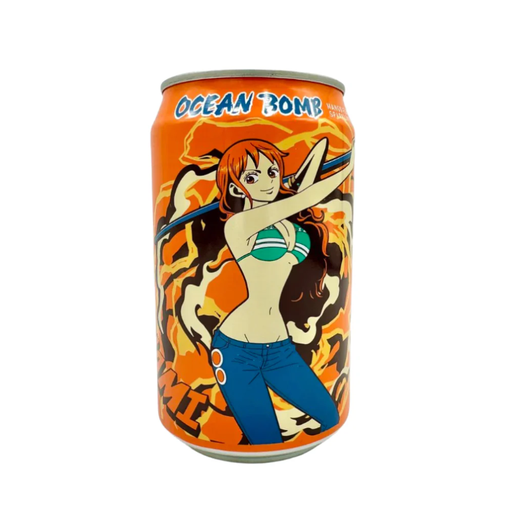
Why this product suits this profile: The Mango variant clearly states its flavour and contains 330 ml, making it a good choice for shoppers who want to try a single anime soft drink first.
The product description lists the ingredients, nutritional values, storage guidance and volume, so the decision is not based solely on the design of the can.
330 ml; 27 kcal and 7.0 g of sugar per 100 ml according to the product information.
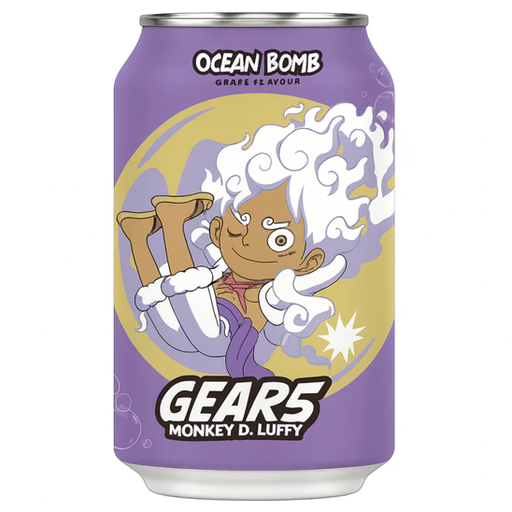
Why this product suits this profile: This variant is a sensible choice when flavour, labelling and collectability are equally important.
The product page lists the ingredients, allergen information, nutritional values and storage guidance, making it easier to check the details before buying.
330 ml; caffeine-free according to the product description; 41 kcal and 10 g of sugar per 100 ml.
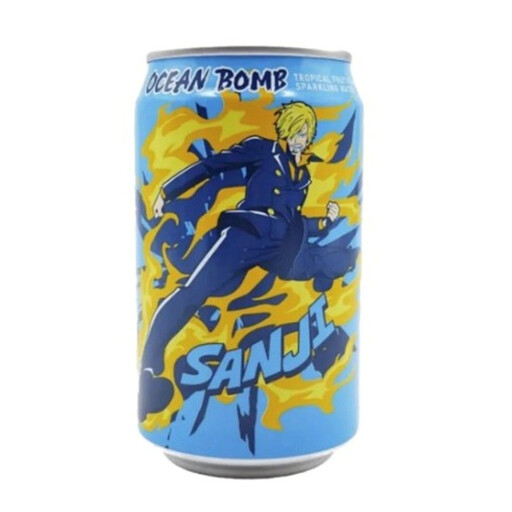
Why this product suits this profile: This flavour is ideal for shoppers planning to buy several cans for anime nights, a gift or a themed display.
The 330 ml volume and nutritional values per 100 ml make it easier to plan quantities when buying several cans.
330 ml; 27 kcal and 7.0 g of sugar per 100 ml according to the stated nutritional table.
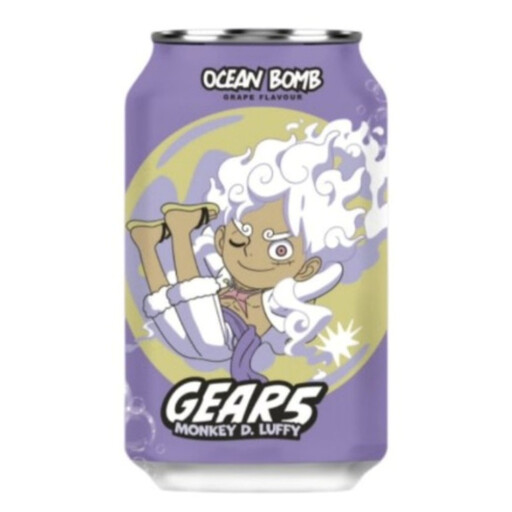
Why this product suits this profile: The Grape variant appeals to shoppers who prefer a classic grape flavour and want to compare several One Piece drink cans.
The product description provides the ingredient list and values per 100 ml, making it possible to compare the flavour objectively with White Grape.
330 ml; 172 kJ or 41 kcal and 10 g of sugar per 100 ml.
We have put together a complete, regularly updated list of products that fully meet these strict selection criteria and the safety regulations applicable in the EU.
It is worth running through this quick checklist before placing your order:
It depends on the flavour. According to the stated values, Mango and Tropical Fruit contain 7.0 g of sugar per 100 ml, which works out at approximately 23.1 g per can. White Grape and Grape contain 10 g per 100 ml, equivalent to approximately 33 g per 330 ml. The labelling on the relevant can remains the authoritative source.
Unopened cans can be stored in a dry place away from direct sunlight, in line with the product information; some product pages specify storage at room temperature. The drink is generally more enjoyable when served chilled. Once opened, the can should be kept in the fridge and consumed within a few days.
Yes, alongside being a drink, the cans may also appeal to fans as collectable or gift items. For long-term display, store the can in a dry place away from light and intense heat. Before keeping it, remember that it is still a food product with a best-before date.