
Lieferung heute & morgen

Qualitätsgarantie

Willkommens-Angebote freischalten: KOSTENLOSE Lieferung | Bis zu 80 % RABATT | Kostenlose 30-Tage-JoyPlus-Testphase
App herunterladen
Buying a baby diaper pail might seem straightforward at first, but the right choice can make daily life with a newborn significantly easier. An unpleasant smell in the nursery or living room is the last thing new parents need. Many products promise an odour-proof solution, but in practice, they often reveal hidden costs and functional weaknesses. Before you make a decision, it's helpful to know the most common pitfalls.
A widespread problem is the dependency on expensive refill systems. Some diaper pails work exclusively with special cassettes, and their running costs can add up quickly. Another weak point is ineffective sealing systems. A simple flip-top lid isn't enough to reliably contain odours, especially when the pail is filled over several days.
To make an informed decision, you should check three core parameters. These determine whether a diaper pail is odour-proof, practical, and economical.
An effective diaper disposal system requires special sealing technology. Look for models with a multi-stage locking mechanism. Systems like the Odour Off System use patented seals and often an inner flap or a twisting mechanism that drops the diaper into the bag while simultaneously sealing the interior. This prevents a cloud of odour from escaping each time you open it. The quality of the seals, often made of silicone, is crucial for the long-term durability of the odour barrier.
A diaper pail without refill cassettes offers a clear cost advantage. These models are designed to be used with standard bin liners (usually 20-30 litres). This not only saves money but also the hassle of having to buy specific brand products. You remain flexible and can also use special odour-locking bin bags from the drugstore if needed, without being tied to a proprietary system.
A sustainable diaper pail is distinguished by two aspects: its material and its lifespan. Models made from a significant proportion of recycled plastic (e.g., 50% recycled polypropylene) reduce the ecological footprint. Furthermore, longevity is a factor. Some pails can be converted into a regular bin with a separate lid after the diapering years are over. This significantly extends the product's life and prevents waste. The material should be robust and easy to clean to ensure hygienic use over the long term.
Instead of making a one-size-fits-all recommendation, we have identified products that suit the different priorities of parents.
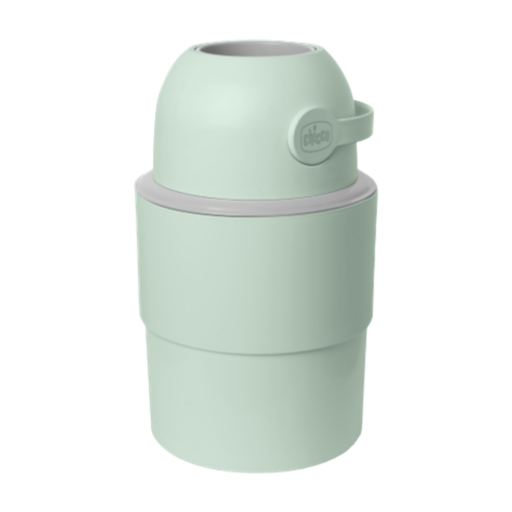
Why This Fits Their Persona: Ideal for parents seeking an economical yet more environmentally friendly solution. Compatibility with standard bin liners lowers running costs, while its construction from 50% recycled plastic supports an ecological mindset.
This model frees you from expensive refill cassettes. You simply use your existing bin liners, thus avoiding a classic cost trap.
Combines the effective Odour Off System with sustainable material choice and low operating costs. Its capacity of up to 35 diapers is practical for daily use.
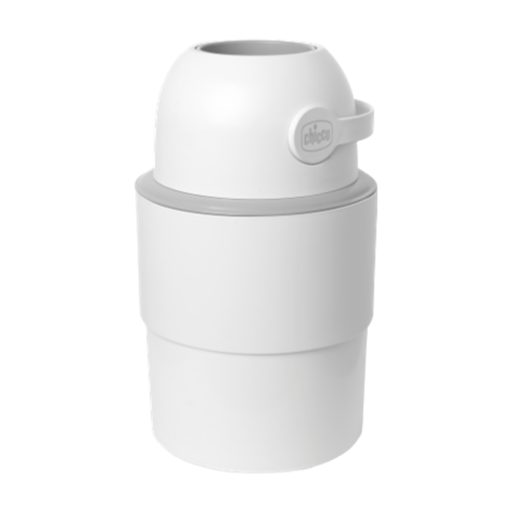
Why This Fits Their Persona: For families who want baby gear to blend harmoniously with their home decor. The simple, white design is timeless and fits any interior without standing out as a typical baby diaper pail.
Proves that high functionality and appealing design don't require compromise. You get a high-performance, odour-proof system that operates without expensive follow-up costs.
The neutral aesthetic is combined with the proven functionality of the Chicco diaper pail. The telescopic function ensures space-saving transport and easy setup.
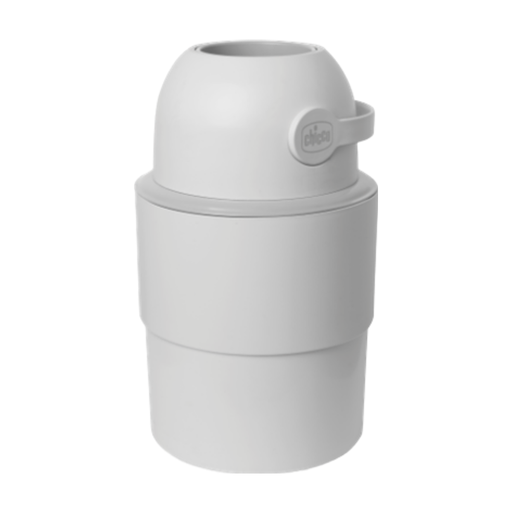
Why This Fits Their Persona: Perfect for parents who want to make an investment for the entire toddler phase and beyond. The ability to later convert the pail into a regular bin maximises the product's utility and lifespan.
Instead of being discarded after the diapering years, this pail can be repurposed. This avoids the need to buy a new bin and conserves resources.
The telescopic function makes it compact for travel or storage. The conversion option (with the separately available "Second Life" lid) offers an exceptionally long service life.
We have compiled a complete, up-to-date list of products that fully meet these strict selection criteria and UK safety regulations.
Yes, models like the Chicco diaper pail featured here are explicitly designed for use with standard, off-the-shelf bin liners (e.g., 20-30 litres). This is a key feature for keeping operating costs low. While standard bags are sufficient, you can also use special scented or extra-thick bin liners for an additional odour barrier.
An effective system combines multiple barriers. First, the diaper is pushed through an opening. Inside, a mechanism—often a rotating drum or a spring-loaded flap—ensures the diaper falls into the bag while the opening is immediately resealed. Additionally, a main lid with a silicone seal closes off the entire pail. This double-lock system prevents odours from inside the bag from escaping into the room.
The material is very important for hygienic and practical reasons. Most high-quality diaper pails are made of robust plastic like polypropylene (PP). This material is non-porous, does not absorb odours, and is easy to clean with a damp cloth and mild detergent. Models that are also made from recycled materials offer added value for eco-conscious buyers without compromising on hygienic properties.