
Lieferung heute & morgen

Qualitätsgarantie

Willkommens-Angebote freischalten: KOSTENLOSE Lieferung | Bis zu 80 % RABATT | Kostenlose 30-Tage-JoyPlus-Testphase
App herunterladen
Choosing the right LED light bar for an off-road vehicle can be overwhelming. The market is flooded with technical specs, marketing promises, and a vast price range. Many buyers invest in products that fail after a short time due to moisture, deliver disappointing light output, or fall into legal grey areas. Before you make a decision, it's crucial to know the most common pitfalls and understand which technical features truly matter.
This guide focuses on the objective criteria that define a durable, high-performance off-road light, helping you see through exaggerated advertising claims.
Manufacturer specifications can be misleading. Pay close attention to these three points to avoid a poor investment:
To find the right 4x4 off-road lighting, you should focus on verifiable technical specifications rather than pure marketing messages.
The type of beam pattern determines how the area in front of your vehicle is illuminated. The choice depends directly on your primary use case.
Your vehicle's electrical system voltage is a critical factor. Passenger cars, SUVs, and most ATVs use a 12V system. Heavy commercial vehicles like trucks or some agricultural machinery use a 24V system. Many modern LED light bars are equipped with a wide voltage range input (e.g., 9-30V DC). This makes them universally applicable and protects the electronics from voltage fluctuations. Check this specification to ensure compatibility with your truck LED bar or passenger car.
Modern LED bars often offer more than just a single light function. An integrated DRL (Daytime Running Light) in white or amber increases the vehicle's visibility during the day and gives it a modern aesthetic. Dual-colour models that can switch between white driving light and yellow/amber light offer advantages in poor weather conditions like fog, snow, or heavy rain, as yellow light reflects less and reduces glare.
Here are some recommendations tailored to specific user profiles and their requirements.
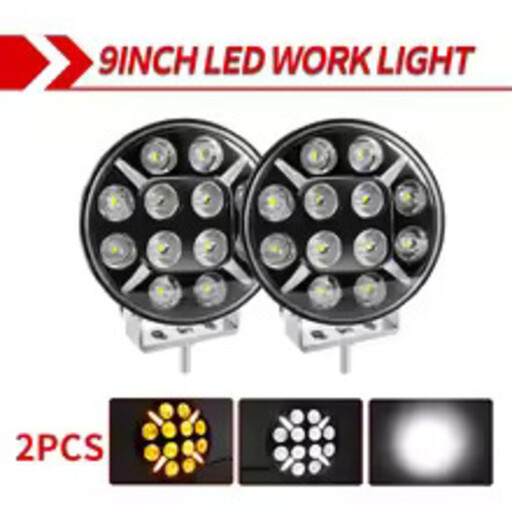
Why This Fits Their Persona: Ideal for users seeking a flexible and cost-effective solution for occasional off-road trips or as an additional work light. Its compact size and integrated DRL function offer great value for an entry-level setup.
With a specified IP68 waterproof rating, this light is protected against continuous immersion, avoiding the pitfall of inadequate sealing that often causes failure in cheaper models.
12V/24V compatibility makes it equally suitable for cars, SUVs, and trucks. The combination of a driving light and DRL function in one housing saves space and installation effort.
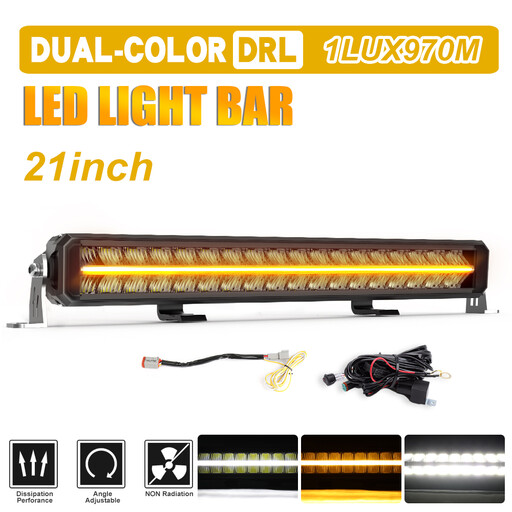
Why This Fits Their Persona: Designed for serious off-road enthusiasts and truck drivers who need maximum light output and reliability in extreme conditions. The wide format and dual-colour function provide superior visibility at night and in bad weather.
The robust aluminium housing and IP68 certification ensure a long service life even with intensive use. Its description as an off-road and work light is transparent about its intended application.
The dual-colour function (white driving light / amber position light) improves visibility in fog or snow. The combo beam provides an excellent balance of long-range throw and wide-area terrain illumination.

Why This Fits Their Persona: Perfect for vehicle owners who value a modern aesthetic and advanced technology. The frameless design integrates seamlessly into the vehicle's front end, while the high light output makes no compromises on function.
Instead of advertising with theoretical values, this product provides a concrete performance metric (1LUX at 970 metres). This is a practical value that avoids the trap of inflated lumen figures and sets a realistic expectation for its range.
The frameless lens design is not only visually appealing but also prevents the accumulation of dirt and ice on the edges. The pressure equalization valve prevents internal lens fogging.
We've compiled a complete, up-to-date list of products that fully meet these strict selection criteria and relevant safety regulations.
For use as an auxiliary high beam on public roads in many regions, an ECE approval (e.g., ECE R112) is mandatory. Most very powerful off-road light bars do not have this approval and are therefore intended exclusively for off-road use or as work lights. A light used as a work light must not be wired to operate with the standard vehicle lights while driving and requires a separate switch. Before installation, inform yourself about the applicable local road traffic regulations.
Theoretical (or raw) lumens indicate the maximum light output an LED chip can produce under ideal laboratory conditions. Effective lumens are the more realistic value, as they describe the amount of light that actually exits the lamp after losses from the lens, reflector, and heat buildup. A product with honestly stated, high effective lumens is generally more powerful than one with an unrealistically high raw lumen figure.
Yes, in most cases, this is possible. Pay attention to the product description, specifically the operating voltage specification. Many high-quality LED light bars, including those for trucks, are designed for a wide voltage range, such as 9-30V or 10-32V. This makes them compatible with both 12V systems (cars, SUVs) and 24V systems (trucks, construction machinery).