
Lieferung heute & morgen

Qualitätsgarantie

Willkommens-Angebote freischalten: KOSTENLOSE Lieferung | Bis zu 80 % RABATT | Kostenlose 30-Tage-JoyPlus-Testphase
App herunterladen
For many children, an RC car that tears across rugged terrain is the epitome of action and adventure. However, the search for the right model can quickly become overwhelming for parents and grandparents. Between exaggerated marketing claims and technical spec sheets, it's hard to tell which vehicle truly delivers on its promises. As your Joybuy Product Recommendation Officer, I'll help you navigate common purchasing pitfalls and find a model that ensures long-lasting enjoyment.
Before we dive into the important features, let's look at the three most common sources of post-purchase frustration. Knowing these is the first step toward making a better decision.
To avoid these pitfalls, focus on three core technical features. These are the primary determinants of an off-road RC car's performance, durability, and play value.
The drivetrain is crucial for determining where the car can go. A Two-Wheel Drive (2WD) is often sufficient for flat surfaces like asphalt or light gravel. For a true all-terrain toy car that can also handle grass, uneven forest floors, or small hills, a Four-Wheel Drive (4WD) is the better choice. It provides significantly more traction and control.
Regardless of the drive system, functional shock absorbers are essential. They absorb impacts, keep the wheels on the ground, and protect the entire structure from damage. An RC Buggy without proper suspension is practically unsuitable for off-road use.
An RC car with a rechargeable battery is standard today. However, pay attention to the details. Models with two included rechargeable batteries have a clear advantage. While one battery is charging, the other can be used, effectively doubling the playtime. A charging function via a universal USB port provides additional flexibility. The battery's capacity, specified in milliampere-hours (mAh), gives an indication of the expected runtime.
A robust chassis is the life insurance for any RC car. High-quality ABS plastic is a good choice here, as it is both impact-resistant and flexible. A sturdy yet pliable body and flexible bumpers at the front and rear can absorb the energy of an impact, protecting the internal components. Check if the vehicle is designed for outdoor use and can tolerate light moisture or splashes.
Based on these criteria, we have identified a few models that are suitable for different user profiles.
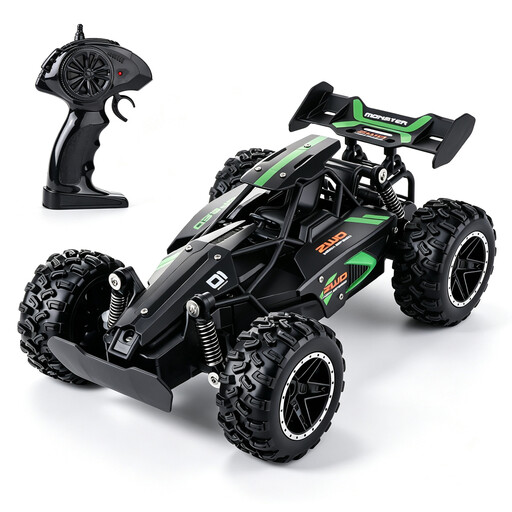
Why this model is a great fit: Ideal as a first `RC car for kids` who want to drive in the garden or on paved paths. The simple controls and solid basic features offer an uncomplicated entry into the world of remote control cars without being overwhelming. A solid `gift for boys` and girls who love action.
This model comes with two rechargeable batteries, directly addressing the short playtime pitfall. The shock absorber structure and anti-slip tires provide basic durability for light terrain.
Extended playtime thanks to two batteries and an interference-free 2.4 GHz remote control that allows multiple cars to run simultaneously.
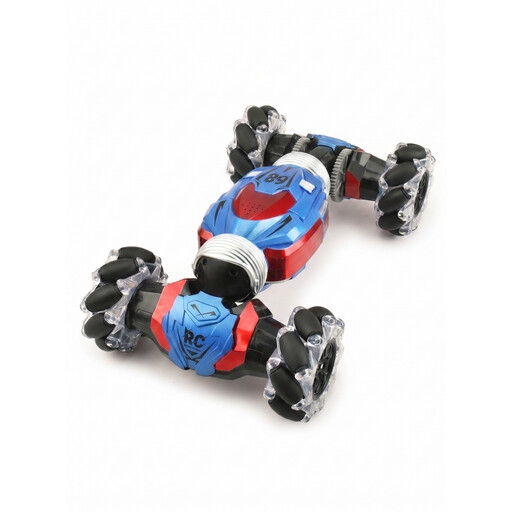
Why this model is a great fit: For kids who want to do more than just drive. The gesture control via a wristband sensor and the ability to drift sideways and perform 360-degree spins offer an interactive and modern play experience. The 4WD system makes it a capable off-road vehicle.
Its construction from thickened ABS plastic and the deformable spinal structure are designed for durability during stunts. The 4WD system with Mecanum wheels ensures true all-terrain capability, avoiding the trap of models that only work on smooth floors.
Two control modes (classic remote and gesture watch) as well as unique stunt capabilities like omnidirectional driving.
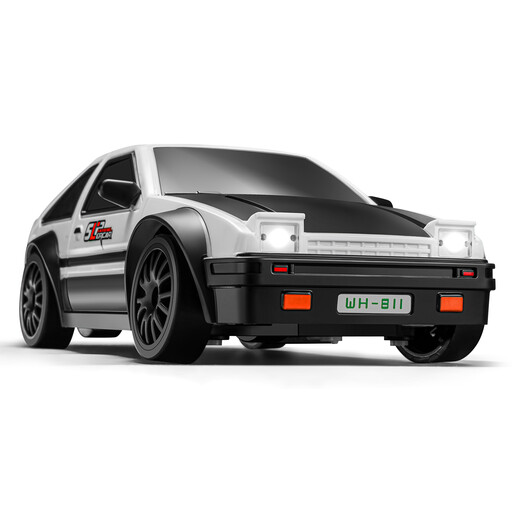
Why this model is a great fit: Perfect for anyone interested in the art of drifting. This `fast remote control car` offers the ability to switch between racing and drift modes with its interchangeable tires, allowing users to learn different driving techniques.
It avoids the trap of unrealistic performance claims with two speed levels and an adjustable gyroscope system. This allows beginners and advanced users to adapt the performance to their skill level. The shockproof ABS body counteracts the problem of fragility.
Two sets of interchangeable tires (Drift and Racing) for versatile use and an integrated gyroscope to stabilize the vehicle during challenging maneuvers.
We have compiled a comprehensive list of products suitable as gifts for various occasions, all meeting objective selection criteria.
Battery life varies depending on the model, driving style, and battery capacity (mAh). On average, driving time per charge is between 15 and 25 minutes. Models that come with two batteries allow for a total playtime of 30 to 50 minutes, as one battery can be used while the other is charging.
That depends on the intended use. For driving on flat surfaces like asphalt, patios, or indoors, a two-wheel drive (2WD) is perfectly adequate. However, if the car will regularly be driven on grass, gravel, or uneven terrain, a four-wheel drive (4WD) system offers significantly better traction, control, and therefore more fun.
The manufacturer's age recommendations provide a good initial guide. For children aged 5 to 8, models with moderate speed and simple controls are often the better choice, as they don't overwhelm their motor skills. Faster, more complex models with more features are generally suitable for children aged 8 to 10 and up, who have already gained some experience and are looking for a new challenge.