
Lieferung heute & morgen

Qualitätsgarantie

Willkommens-Angebote freischalten: KOSTENLOSE Lieferung | Bis zu 80 % RABATT | Kostenlose 30-Tage-JoyPlus-Testphase
App herunterladen
The wrong office chair is more than just uncomfortable—it can disrupt your concentration and lead to muscle tension. But the market is flooded with models whose marketing promises often suggest more than the products deliver. Before you make a decision, it's crucial to know the most common pitfalls that lead to a bad purchase.
Many buyers invest in chairs that lose their stability after just a few months or whose materials wear out quickly. Two of the most common problems are:
This guide will help you navigate these pitfalls and find a desk chair that truly fits your needs.
To find a durable and functional office chair, you should focus on verifiable core features rather than vague marketing claims.
A good ergonomic office chair offers multiple adjustment options to adapt to your body. Look for the following features:
The choice of material and the construction of the base largely determine the lifespan and comfort of your chair.
Here you will find specific recommendations tailored to different user profiles and requirements.
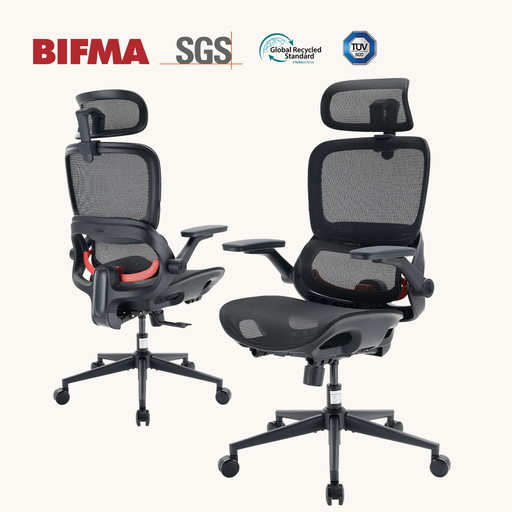
Why This Fits Their Persona: Ideal for users who spend many hours at their desk daily and need reliable support for their back and neck. The comprehensive adjustment options are designed for long, focused work sessions.
This model goes beyond the vague "ergonomic" label, offering adaptive lumbar support and a wide headrest. The mesh upholstery prevents overheating and the wear-and-tear issues common with cheaper materials.
Adaptive lumbar support for dynamic back reinforcement; flip-up armrests for greater flexibility at the workspace.
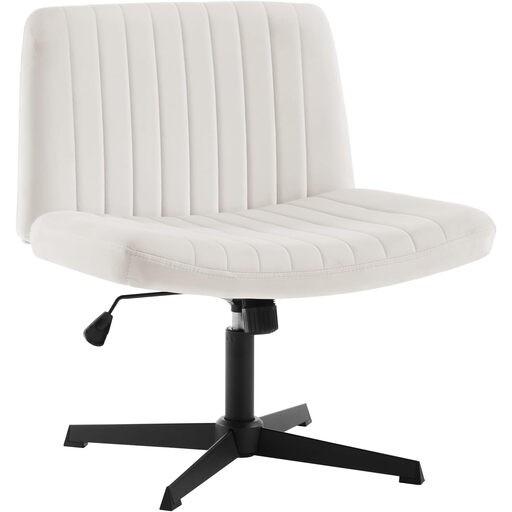
Why This Fits Their Persona: Perfect for users looking for a functional chair that blends seamlessly into a living room or bedroom. The focus is on aesthetics and space-saving functionality for occasional desk work.
This chair doesn't promise exaggerated ergonomics but delivers on its design's premise: comfort for shorter sitting periods and an appealing look. The armless design is a deliberate choice for flexibility and space-saving.
The velvet upholstery and curved shape give it a homey character. It can be pushed completely under the desk, saving valuable space.
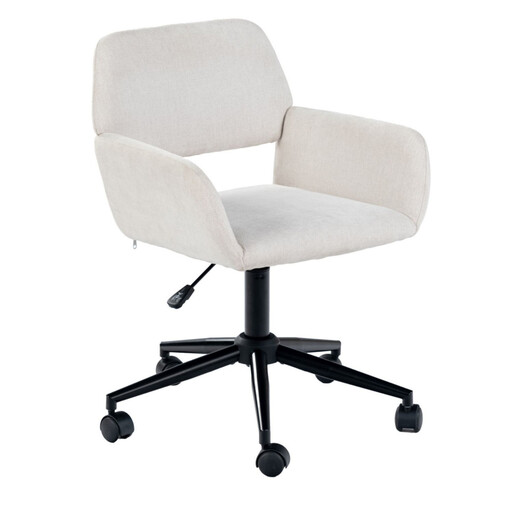
Why This Fits Their Persona: For parents seeking a safe, durable, and height-adjustable desk chair for kids. The size and adjustability are tailored to the needs of children and teenagers to promote correct posture during homework.
This chair avoids the "one-size-fits-all" trap by being specifically designed for children. An adult chair would be oversized and ergonomically unsuitable for a child. The sturdy five-star metal base provides the necessary safety.
Infinitely height-adjustable to grow with the child. The 360° swivel function and smooth-running casters offer freedom of movement at the desk.
We have compiled a complete, up-to-date list of products that meet these strict selection criteria and safety requirements.
1. How can I identify a truly ergonomic office chair? A truly ergonomic chair can be adjusted to your body in multiple ways. In addition to height adjustment, look for adjustable lumbar support, adjustable seat depth, and customisable armrests. A synchronous mechanism that encourages movement is also a clear sign of quality.
2. How long does a good office chair last? The lifespan heavily depends on the material quality and usage. A model with a metal base, a high-quality gas lift, and durable upholstery (like mesh or quality fabric) can easily last five years or more with daily use. Cheaper models with plastic parts often show the first signs of wear after just one to two years.
3. Are office chairs without armrests a good choice? It depends on the use case. A chair without armrests is ideal if you want to save space, as it can be pushed completely under the desk. It also offers more freedom of movement. However, for people who type for many hours at a time, adjustable armrests can provide crucial relief for the shoulders and neck.