
Lieferung heute & morgen

Qualitätsgarantie

Willkommens-Angebote freischalten: KOSTENLOSE Lieferung | Bis zu 80 % RABATT | Kostenlose 30-Tage-JoyPlus-Testphase
App herunterladen
The right office chair is the foundation for productive work, whether in a corporate office or a home office. However, the market is overwhelming, and many claims turn out to be empty marketing buzzwords. An unsuitable chair not only leads to discomfort but can also impair concentration and negatively impact your posture in the long run. As your Joybuy Product Recommendation Officer, I'll help you identify the crucial features and avoid common pitfalls when making a purchase.
Before we dive into the important functions, let's look at the three most common reasons for a bad purchase. Knowing these will help you make more informed decisions.
To avoid the pitfalls mentioned above, focus on verifiable, technical features. These three parameters are decisive for a chair's functionality and longevity.
The mechanism determines how the seat and backrest move. There are significant differences here:
A chair can only be ergonomic if it can be adapted to your body. Look for the following adjustments:
A chair's durability is determined by the quality of its components.
Based on the criteria above, we have selected a few models for different user profiles and requirements.
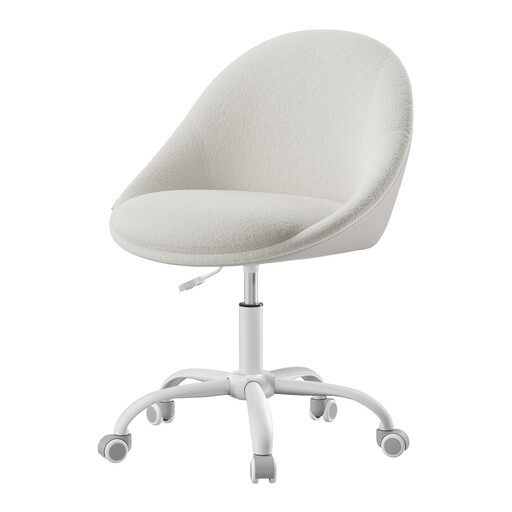
Why this model is a great fit: Ideal for users whose workspace is integrated into their living room or bedroom. The modern design and trendy fabric cover blend seamlessly into the decor. As an office chair without armrests, it can be tucked completely under the desk to save space.
This chair doesn't promise full-scale ergonomics for an 8-hour day. It clearly positions itself as a stylish and compact swivel chair for light tasks, studying, or as a vanity chair, making it honest about its function.
A combination of chic design and a space-saving, armless build. The thick foam padding offers good comfort for shorter periods of sitting.
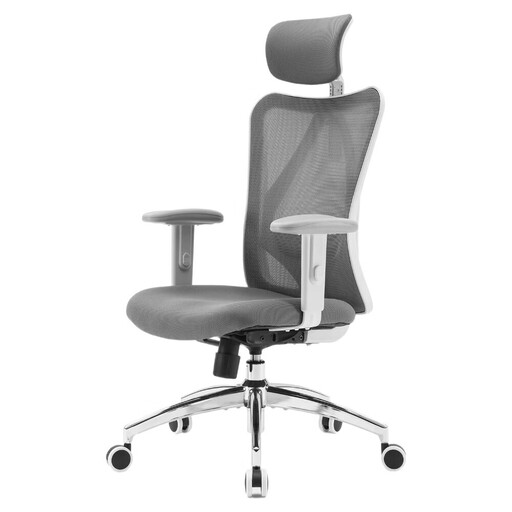
Why this model is a great fit: For people who spend many hours at their desk every day. This chair offers the necessary adjustment options to support a healthy posture over long periods, including an adjustable headrest, lumbar support, and armrests.
This chair delivers on the "ergonomic" promise with concrete, versatile adjustment features. The BIFMA and SGS certifications mentioned by the manufacturer indicate tested durability, and the breathable mesh fabric avoids the material trap.
Comprehensive adjustability (backrest, headrest, armrests, height, tilt) and a high weight capacity of up to 150 kg, according to the manufacturer.
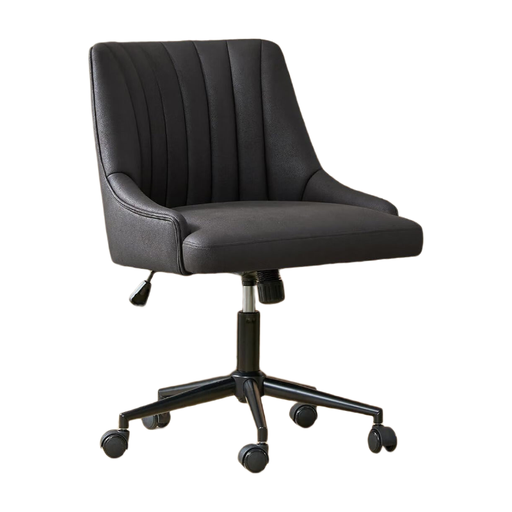
Why this model is a great fit: A solid choice for students or for occasional home office chair use. It offers basic functions like height adjustment and 360° swivel in a professional design, without breaking the bank.
This model focuses on the essentials: a stable metal base, basic adjustability, and comfortable padding. It avoids the trap of promising complex ergonomic features that wouldn't be feasible in this price range.
Excellent value for money. The quilted backrest and thick seat padding offer better comfort than many other entry-level models.
1. How long does a good office chair last? The lifespan heavily depends on the intensity of use, the quality of the components, and maintenance. A high-quality chair with a sturdy metal base and a Class 4 gas lift can last 5 to 10 years with daily use. Pay attention to the manufacturer's specifications for maximum weight capacity and look for certifications like BIFMA, which suggest long-term durability.
2. Which casters do I need for my flooring? This is a crucial point to avoid damaging your floor. The rule of thumb is:
3. Is an office chair without armrests a good choice? That depends on the intended use. An office chair without armrests is ideal if you need to save space, as it can be pushed completely under the desk. It also offers more freedom of movement, which can be advantageous for creative activities or playing a musical instrument. However, for long workdays at the computer that mainly involve typing, adjustable armrests are recommended as they noticeably relieve tension in the shoulder and neck muscles.