
Lieferung heute & morgen

Qualitätsgarantie

Willkommens-Angebote freischalten: KOSTENLOSE Lieferung | Bis zu 80 % RABATT | Kostenlose 30-Tage-JoyPlus-Testphase
App herunterladen
Anyone who spends many hours a day at a desk knows the challenges: neck tension, lower back pain, and general fatigue can significantly impact productivity and well-being. An ergonomic office chair with a footrest promises relief by not only promoting a healthy sitting posture but also enabling relaxing breaks.
However, the market is overwhelming, and many products don't deliver on their promises. Before you make a purchasing decision, it's crucial to understand the common pitfalls that often lead to disappointment and poor investments.
The 3 Most Common Traps When Buying an Office Chair with a Footrest:
To avoid a bad purchase, you should focus on objective and verifiable features. A good, ergonomically designed home office chair is distinguished by specific technical characteristics that go beyond mere marketing.
Effective support for the lumbar region is critical. A high-quality office chair with lumbar support offers more than just a curve in the backrest. Look for the following features:
The way the seat and backrest move has a major impact on comfort and ergonomics. An office chair with a reclining function should have a high-quality mechanism.
The footrest is the chair's defining feature, and its quality is crucial for the longevity and functionality of the chair.
Based on these objective criteria, we have compiled a selection of models suitable for different requirements and budgets.
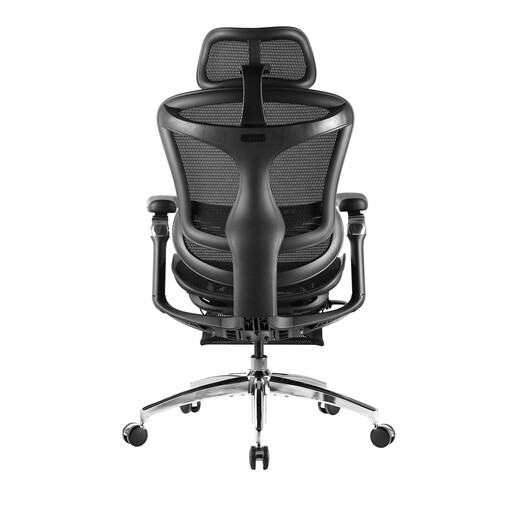
Why This Fits Their Persona: Ideal for individuals who spend more than 8 hours a day at their desk and require maximum adjustability for a dynamic and healthy sitting posture. A true professional-grade chair for the demanding home office.
The dynamic lumbar support and seat depth adjustment go far beyond the empty "ergonomic" promise, offering verifiably customized support.
Comprehensively adjustable 6D armrests and a high-quality mechanism for precise body contouring.
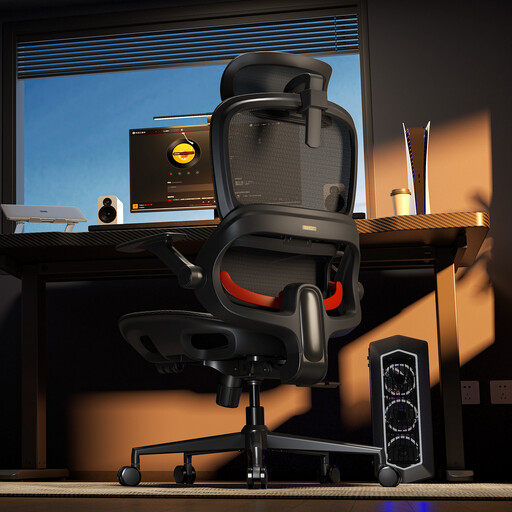
Why This Fits Their Persona: Perfect for users seeking a reliable and flexible chair for daily work. The flip-up armrests make it especially practical for compact workspaces.
The adaptive lumbar support provides genuine ergonomic value, while the solid overall construction promises good durability compared to generic products.
Flip-up armrests for greater flexibility and a wide headrest for added comfort during rest periods.
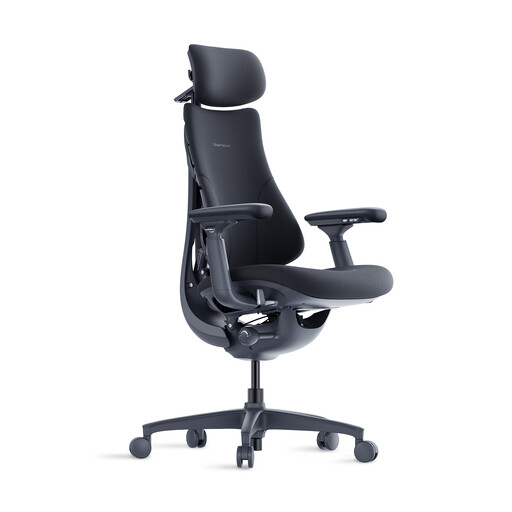
Why This Fits Their Persona: For users looking for an executive chair with a footrest that not only supports them during work but also actively contributes to relaxation during breaks. The focus here is clearly on comfort and regeneration.
The sturdy construction allows for an exceptionally large recline angle without compromising stability—a clear differentiator from chairs with wobbly reclining functions.
A unique 160° recline angle and an integrated spinal stretching function for maximum relaxation.
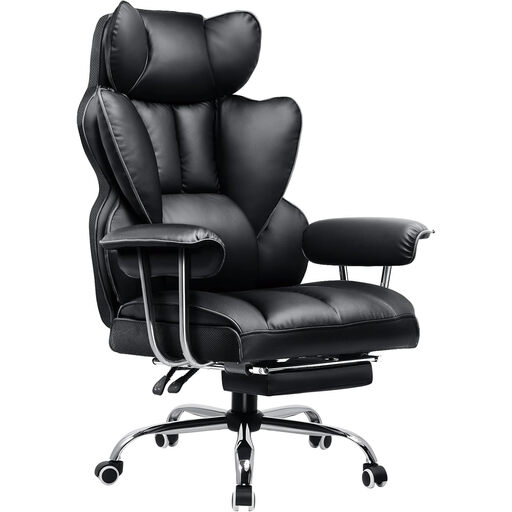
Why This Fits Their Persona: A versatile option for students, gamers, or home office beginners who want a functional desk chair with a footrest at an accessible price point and appreciate a sporty aesthetic.
Despite its budget-friendly price, it relies on a solid base construction with a metal frame and high-density foam padding, which counteracts the trap of rapid wear and tear.
Good value for money with all the basic functions, including an adjustable backrest up to 135° and a retractable footrest.
We've compiled a complete, up-to-date list of products that meet these strict selection criteria and relevant quality standards.
Yes, a footrest offers objective benefits. It can improve blood circulation in the legs by taking pressure off the underside of the thighs. In a reclined position, it relieves the lower back and allows for a relaxed posture during work breaks. It is an especially valuable ergonomic addition for shorter individuals whose feet do not fully reach the floor.
The lifespan heavily depends on the material quality and frequency of use. Models with a steel frame, high-quality synchronous mechanism, and durable covers (e.g., mesh or quality PU leather) can last 5 to 10 years with normal use. Cheaper models often show the first signs of wear and tear after 1 to 3 years, especially on the padding, armrests, and the footrest mechanism.
Read the assembly instructions carefully. Pay special attention to tightening all screws that connect the mechanism and the backrest to the seat. An insufficiently secured mechanism can be unstable and pose a safety hazard. After assembly, test the stability of the backrest in various recline positions before using the chair regularly.