For recorded language practice, a well-fitting closed-back ANC headphone is a sensible starting point, provided you don’t need to respond to colleagues or warning signals while listening. AHFE Open Access describes the limitations of noise cancellation when it comes to human speech. If you need to stay approachable, an open-back or single-ear option, or an easily accessible ambient mode, may be more suitable.
Who this choice is relevant to
Learners dealing with distracting office conversations
If you listen to language practice on your own device, you’ll want to make out the words despite nearby conversations, without simply turning up the volume. AHFE Open Access and the University of Technology Sydney discuss the limitations and effects of ANC on speech recognition under specific test conditions.
Learners who need to stay approachable
If you practise between work tasks, you may still need to hear people or important signals around you. The DGUV offers guidance on choosing and using headsets when working from home; your specific workplace situation should be assessed separately.
Learners with longer listening sessions
For longer practice sessions, a comfortable fit and a connection that works with your work device are important. Check the fit and connection on the specific model; manufacturers’ claims about features and battery life apply to the model and conditions stated.
What to look for when buying
First decide whether you need to hear what’s happening around you while practising. Then compare fit, device connectivity and the conditions behind the battery-life claims. AHFE Open Access describes the limitations of ANC with human speech, while a University of Technology Sydney study found higher word recognition with noise cancellation switched on under its specific test conditions.
| Buying consideration |
What to check before buying |
Who it matters most to |
| Speech clarity |
Test your own practice recording at a typical listening volume; assess fit, passive noise isolation and ANC separately. |
If I need to make out words despite nearby conversations, I want to test my practice recording rather than simply turn up the volume. Around 31% of consumers prioritise speech clarity. |
| Awareness of your surroundings |
Work out which conversations and signals need to remain audible; try an ambient mode or single-ear use in your workplace. |
If I need to stay approachable or hear important signals while practising, noise isolation shouldn’t make that harder. Around 25% of consumers prioritise awareness of their surroundings. |
| Comfort |
Try them on with glasses and in your usual listening position; assess pressure and warmth over a realistic practice session. |
If I’m planning longer listening sessions, I need a fit that feels comfortable to me. Around 19% of consumers prioritise long-term comfort. |
| Device connectivity |
Check the audio connection and permitted wireless connections on your work device; try switching between your own devices. |
If I want to play my practice sessions on the computer or smartphone I plan to use, the connection needs to fit my workflow. Around 13% of consumers prioritise device connectivity. |
| Cost and use |
Decide which features you need; check the stated battery life and its conditions, as well as the availability of replacement ear pads for the model. |
If I only want to pay for features I’ll actually use, I compare the exact specification. Around 12% of consumers prioritise the purchase price. |
Common buying mistakes
-
Assuming ANC blocks out every office conversation
Noise reduction for steady sounds doesn’t necessarily work for every nearby voice. Headphones with ANC therefore don’t guarantee that language practice will be easier to understand in the office.
Test your own practice recording at a normal listening volume, and assess the fit and passive noise isolation as well.
-
Simply turning up the volume for better clarity
High volumes and long listening sessions can strain your hearing; turning the volume up is no substitute for a good fit.
Keep the volume low, take breaks and choose a well-fitting option. The WHO recommends noise-reducing headphones to help prevent background noise from tempting you to turn the volume up.
-
Choosing maximum noise isolation when you need to stay approachable
Headphones can mask important sounds and warning signals around you. A transparency mode doesn’t guarantee that you’ll hear every signal.
Before buying, work out what needs to remain audible in your workplace and try an open-back, single-ear or switchable option in your actual surroundings.
-
Assuming the manufacturer’s battery-life claims match your own use
Battery life depends on the usage conditions stated for each model. Bose quotes up to 30 hours for the QuietComfort Ultra Headphones (2nd Gen), or 23 hours with 360-degree sound.
Only compare claims based on similar operating conditions, and check that the battery life suits your planned listening sessions.
Brands to consider
Sony
The WH-1000XM6 is a closed-back over-ear option for practice on a computer or smartphone when ANC and switching between devices are important.
- Sony quotes an ambient mode, multipoint connectivity and up to 30 hours of continuous music playback with noise cancellation switched on.
- The battery-life claim doesn’t show how clear your language practice will sound. Fit and noise isolation need to suit you.
Bose
The QuietComfort Ultra Headphones (2nd Gen) are an over-ear option with adjustable ANC and the ability to switch between practice and your surroundings.
- Bose lists removable ear cushions and up to 30 hours of playback, or 23 hours with 360-degree sound.
- Comfort and sound-quality claims on the product page come from the manufacturer. Check the fit and whether the extra feature is useful for you.
Sennheiser
The HDB 630 is worth considering if you’re interested in USB-C or dongle connectivity and sound settings; the MOMENTUM 4 Wireless is another over-ear option with a transparency mode.
- Sennheiser lists an included BTD 700 USB-C dongle, USB-C playback and up to 60 hours of battery life for the HDB 630. For the MOMENTUM 4 Wireless, the manufacturer also quotes up to 60 hours and a transparency mode.
- These details apply to the respective models and don’t mean they have identical features or offer an advantage for language practice.
Jabra
The Evolve2 85 may suit you if you want an office headset for work calls as well as listening practice.
- Jabra describes hybrid ANC, a busylight and separate Teams and UC variants.
- The manufacturer’s claims about concentration and call quality aren’t independent comparative measurements. Check which variant you need and whether the microphone is useful for listening-only practice.
Sonos
The Ace is an over-ear alternative with ANC and Aware mode, allowing you to switch between noise isolation and awareness of your surroundings.
- Sonos lists Bluetooth, USB-C and 3.5 mm cable connections, as well as 30 hours of battery life.
- These features don’t show how clearly specific language recordings will come through in the office.
Joybuy products for language practice
The Joybuy models below are options for listening practice when you want noise isolation, including over-ear and in-ear headphones. Also check whether you need to hear what’s happening around you while practising.
 No image available
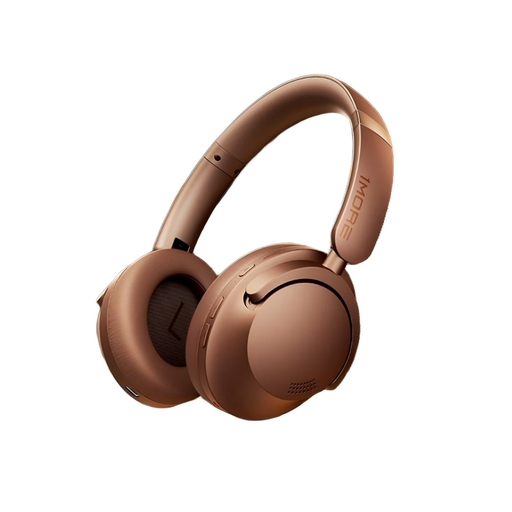
1MORE HQ51 SonoFlow Pro, Mocha Brown
If you’re considering an over-ear option with ANC for practice on your own device, test the fit and clarity with your own recording; ANC won’t reliably block out conversations.
View at Joybuy
 No image available
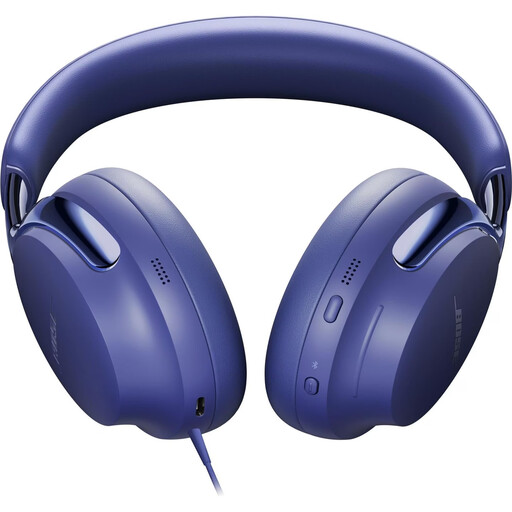
Bose QuietComfort Ultra, 2nd Gen, Midnight Violet
This closed-back over-ear option is worth considering for listening practice when you want noise isolation. ANC can mask sounds around you, but won’t reliably block out nearby speech.
View at Joybuy
 No image available
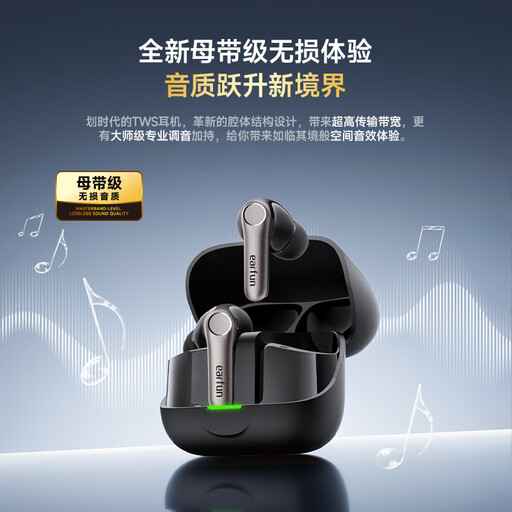
EarFun Air Pro 4+ Hi-Res Dual Driver, Black
If you’re considering ANC in-ear headphones, check the seal, fit and speech clarity over a realistic practice session; the design alone doesn’t guarantee an advantage when it comes to other people’s voices.
The product name lists Bluetooth 6.0 and IP55.
View at Joybuy
 No image available
JBL Tune 780NC, Beige
If you’re considering a wireless over-ear option with ANC, test playback with your practice file. A mode that lets in more ambient sound doesn’t guarantee you’ll hear every warning signal.
The product name lists wireless use and multipoint connectivity.
View at Joybuy
 No image available
Samsung Galaxy Buds4 Pro, Black
If you want to switch between noise isolation and greater awareness of your surroundings, check the fit and how easy the ambient mode is to use during your working day. ANC can mask sounds around you, and the mode doesn’t guarantee you’ll hear every signal.
The product name lists True Wireless and ANC.
View at Joybuy
Frequently asked questions
Does ANC make nearby office conversations inaudible?
No, you can’t rely on that. ANC can reduce steady background noise in particular, but it has limitations when it comes to human speech. Test how clearly you can hear your own recording at a typical volume.
How can I listen to language practice while staying approachable?
First work out which conversations and signals need to remain audible in your workplace. An open-back or single-ear option can make it easier to stay aware of your surroundings, according to the DGUV; its assessment comes from guidance on headsets for working from home. A transparency mode gives you the option to switch modes, but doesn’t guarantee you’ll hear every warning signal.
How do I connect headphones to my work computer?
Check which audio ports or Bluetooth connections your computer and workplace allow, then test playback with the actual practice file. Sennheiser also lists an included USB-C dongle for the HDB 630.
How can I avoid listening at too high a volume while practising?
Keep the volume low and take listening breaks. The WHO recommends well-fitting, noise-reducing headphones to help prevent background noise from tempting you to turn up the volume.


