Who needs to take extra care when choosing?
When you’re picking a bar for your desk, the same label can raise different questions for different people: what’s in the ingredients list, which dietary requirements should the bar meet, and what portion size suits your break?
People with a specific allergen
If you need to avoid milk, soya, peanuts, sesame or tree nuts, for example, check for the relevant ingredient in the ingredients list and look for any precautionary allergen warning. The Federal Ministry of Agriculture, Food and Regional Identity explains how the main allergens in packaged foods must be labelled.
People who eat gluten-free
For a quick break at the office, they’re looking for a handy bar that is explicitly labelled gluten-free. Whether they also need to avoid other ingredients is a separate question.
People looking for vegan fruit and nut bars
A plant-based option may suit them, as long as nuts fit their dietary requirements. The ingredients and nutritional information determine whether a particular bar is suitable, not just the product range description.
What should you look for when buying?
Start with the ingredients you need to avoid. Then check for any labels you’re looking for, such as ‘gluten-free’ or ‘vegan’, and finally compare portion sizes and nutritional information for your lunch break.
| Your priority |
What to check when buying |
Who it matters most to |
| Personal allergen |
The current ingredients list, highlighted allergens and, where relevant, the exact wording of any precautionary allergen warning. |
If I need to avoid a specific ingredient, a general ‘free from’ impression isn’t enough to help me decide. Around 42% of consumers put checking for their personal allergen first. |
| Gluten-free or vegan options |
An explicit gluten-free label or vegan claim for the specific product; check separately for any other relevant allergens. |
I want a bar that suits my gluten-free or plant-based diet for my lunch break, without overlooking other ingredients. Around 33% of consumers give priority to this dietary requirement. |
| A portion for your break |
Portion size, plus sugar, fibre and protein per bar; for product comparisons, check the figures per 100 g too. |
When I’m short on time at my desk, I want to choose a portion whose size and nutritional values I can assess. For around 25% of consumers, this kind of break-time portion is the main consideration. |
A ‘free from’ claim alone doesn’t make a bar suitable as a lunch. Nutritional information helps you compare portions, but it can’t tell you how long a particular bar will keep you feeling full.
Common misconceptions
-
‘Gluten-free’ means ‘free from other allergens’
REWE describes the gluten-free Schär Cereal Bar as containing milk, soya and almonds. So a gluten-free label does not also answer the question of whether these ingredients are present.
First check what you personally need to avoid, then see whether a gluten-free label is also essential for your choice.
-
A precautionary allergen warning tells you how risky a product is
According to Lebensmittelklarheit, a warning such as ‘May contain nuts’ does not state the possible amount or the specific risk of accidental contamination.
Read the exact warning on the current pack. If you have an allergy, factor it into the precautions you’ve agreed with your healthcare professional.
-
Vegan fruit and nut bars are nut-free
A vegan recipe doesn’t rule out nuts. Eat Natural describes its fruit bars as containing nuts, while KoRo lists 23% cashews in its organic sour cherry cashew bar.
If you avoid nuts, check the ingredients of every product rather than relying on ‘vegan’ or ‘gluten-free’ as a filter.
-
The pack size tells you the portion size
The Schär Cereal Bar listed by REWE has a portion size of 25 g, while KoRo’s organic sour cherry cashew bar has a portion size of 50 g. So the nutritional values per bar relate to different amounts.
Check the figures per portion and per 100 g. This helps you assess the amount you’ll have during your break and compare the ingredients once you’ve checked they’re suitable.
Brands to consider
The following brands offer different types of bars and labels. The ingredients and allergen information for each individual product are what matter; a brand description does not automatically apply to every product in its range.
MadeGood
MadeGood offers soft-baked oat bars, among other products. According to MadeGood Foods EU, the brand’s snacks are free from nine common allergens. This is a claim about the brand, not a guarantee that they’re suitable for every possible intolerance.
- If you need to avoid several ingredients, the specific product is worth a closer look.
- Check the current ingredients list and any precautionary allergen warning against the exact ingredients you need to avoid.
Schär
Schär offers sweet snacks and bars labelled gluten-free. You can’t assume that other products in the range have the same ingredients.
- A gluten-free label can help narrow down your options if gluten is your main consideration.
- The Schär Cereal Bar listed by REWE contains milk, soya and almonds, and warns that it may contain traces of other tree nuts.
Eat Natural
Eat Natural describes its fruit bars as vegan and gluten-free, and says the range includes fruit and nuts.
- The range may suit you if you’re looking for a fruity, nutty option and the details of the specific product meet your needs.
- If you avoid nuts, the ingredients list is what matters: ‘vegan’ and ‘gluten-free’ do not mean ‘nut-free’.
KoRo
KoRo offers various types of bars. It describes its 50 g organic sour cherry cashew bar as vegan and gluten-free.
- For this specific product, KoRo lists 10 g of fibre per 100 g.
- According to KoRo, the bar contains 23% cashews, so it isn’t suitable if you’re avoiding cashews.
Snack bars at Joybuy
These bars offer different options for a quick break at your desk: a wafer bar explicitly labelled gluten-free, as well as fruit, nut and oat bars to suit other dietary preferences. Check that the ingredients and labels of each product meet your personal requirements.
 No image available
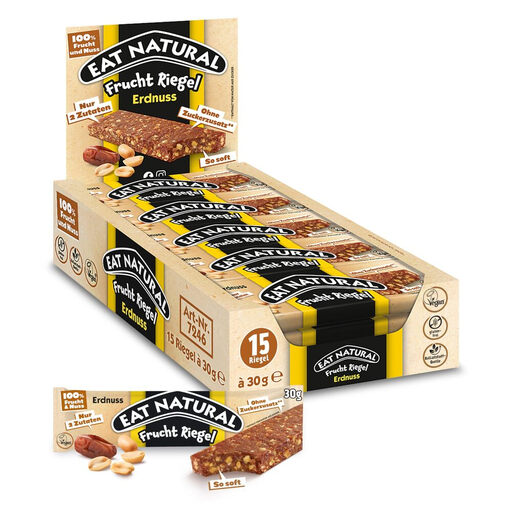
Eat Natural Peanuts & Dried Fruit bars, 15 × 25 g
This bar could be a good choice for a fruity, nutty break if peanuts suit your diet.
The pack contains 15 bars, each weighing 25 g. This product isn’t suitable if you avoid peanuts; check the current information for any precautionary allergen warnings too.
View at Joybuy
 No image available
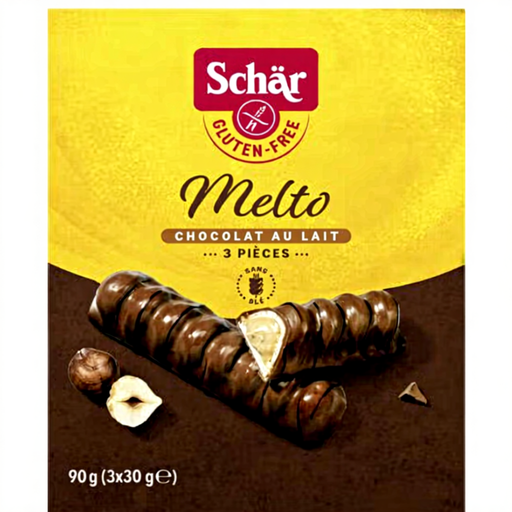
Schär Gluten-Free Melto Hazelnut wafer bars, 3 × 30 g
If you’re looking for a wafer bar labelled gluten-free, check that its other ingredients are suitable for you too.
The pack contains three bars, each weighing 30 g. The product information lists hazelnuts, milk and soya, and warns that it may contain traces of peanuts and other nuts.
View at Joybuy
 No image available
Corny Haferkraft Zero Peanut Butter Oat bars, 12 × 50 g
This oat and peanut option could suit your break if you don’t need to avoid either peanuts or gluten.
The pack contains 12 bars, each weighing 50 g. The product information lists oats containing gluten and peanuts; check the current pack for precautionary allergen warnings too.
View at Joybuy
 No image available
Alnatura Organic Blueberry Oat Flapjack bar, 60 g
This oat and blueberry option could suit your break if gluten isn’t something you need to avoid.
The bar weighs 60 g. The product information lists oats containing gluten and warns that it may contain traces of egg, milk, sesame, soya and nuts. It isn’t suitable for a gluten-free diet.
View at Joybuy
Frequently asked questions
How can I tell if a bar is suitable for a gluten-free diet?
Look for an explicit gluten-free label on the specific product. The consumer advice centre explains that a threshold applies to foods labelled this way. You’ll still need to check the ingredients for other allergens separately.
Is a vegan snack bar automatically free from allergens?
No. A bar described as vegan may still contain peanuts, tree nuts or soya, for example. So check the ingredients and any precautionary allergen warning against the ingredients you personally need to avoid.
What does ‘May contain traces of nuts’ mean?
This warning flags possible accidental contamination, but doesn’t state the amount or the specific risk. Lebensmittelklarheit points this out; when deciding whether a product is suitable, the exact wording on the current pack matters.
Should I compare nutritional values per bar or per 100 g?
Use both, depending on what you want to know: figures per bar show the nutritional values of your portion, while figures per 100 g make it easier to compare bars of different sizes. First check that the ingredients and labels meet your dietary requirements.


