What to look for when buying
First, compare the portion you plan to eat. Then check the sugars, protein, fibre and ingredients to see whether the bar suits your break.
| Criteria |
What to check |
Who it matters to |
| Energy and portion size |
Check the kcal per bar and its weight; for bars of different sizes, also compare the figures per 100 g. |
If I only want a small addition to my packed lunch, the energy in the whole portion I eat needs to fit my plan. Around 42% of consumers put this first. |
| Protein and fibre |
Compare both figures per bar alongside its kcal, and bear the portion size in mind. |
If there’s still a while until my next meal, the bar’s nutritional make-up matters more to me than having the smallest portion. This is the priority for around 33% of consumers. |
| Sugars and sweeteners |
Check ‘of which sugars’ and the ingredients list; for bars containing them, look out for sugar alcohols and any warnings. |
I want to eat less sugar, but I also want to know what the bar is sweetened with and whether I need to take those ingredients into account. This is the main concern for around 25% of consumers. |
Relevant brands and product ranges
The information below refers to specific bar varieties, not a brand’s entire range.
ja!
A small cereal bar to go with a short office break.
- The no-added-sugar Muesli Bar Chocolate described by REWE contains 85 kcal and 0.4 g of sugar per 25-g bar.
- This variety contains maltitol syrup and 8 g of polyols per bar. If you have allergies, check the ‘may contain’ information too.
Nestlé FITNESS
A cereal bar with wholegrain ingredients in a small portion.
- The Chocolate & Almond variety described by REWE contains 94 kcal and 1.8 g of fibre per 23.5-g portion.
- At 398 kcal per 100 g, this variety doesn’t meet the EU threshold for a ‘low energy’ claim on solid foods. Check its allergenic ingredients.
Premier Protein
A protein bar for anyone who wants to prioritise protein per bar when comparing options.
- REWE lists 20 g of protein and 135 kcal per 40-g bar of Chocolate Caramel.
- This variety contains 9.6 g of polyols per portion; the supplier warns that excessive consumption may have a laxative effect.
FULFIL
A protein bar in a larger single portion, for when protein is a priority.
- For the 55-g Milk Chocolate Crunch variety, REWE lists 20 g of protein and 199 kcal per bar.
- This variety contains sweeteners and milk ingredients; if you have allergies, check the other ingredients and ‘may contain’ information.
Nature Valley
A nut-based protein bar for anyone who also compares fibre per portion.
- For Salted Caramel, REWE lists 10.4 g of protein and 4.1 g of fibre per 40-g bar.
- This variety contains 199 kcal per bar, as well as peanuts, almonds, soya and milk.
Suitable products at Joybuy
This selection includes individually portioned oat and cereal bars, a nutrition bar and a protein bite for an office break. Choose based on the portion you want, and check the latest nutrition information and ingredients for each product.
 No product image available
Corny Haferkraft Zero Peanut Butter oat bars, 12 × 50 g
An individually portioned option for a break, if a 50-g oat bar suits the snack size you have in mind.
Compare the kcal in the whole bar with the nutrition information per 100 g. If you have allergies or want to keep an eye on sugar alcohols, check the latest ingredients list.
View at Joybuy
 No product image available
Corny Free Chocolate No Added Sugar cereal bars, 6 × 20 g
A handy choice for a short break if a individually wrapped 20-g cereal bar is the portion size you want.
Check the ingredients list as well as the sugar information: the product name alone doesn’t tell you which sweeteners it contains. If you have allergies, check the current packaging.
View at Joybuy
 No product image available
Corny Free White Chocolate No Added Sugar cereal bars, 6 × 20 g
A small, individually wrapped 20-g portion for anyone looking for something to go with their packed lunch.
Compare the nutrition information for the whole bar, and check the ingredients and allergens on the current packaging; White Chocolate is a different variety from Chocolate.
View at Joybuy
 No product image available
Frankonia Sugar Free Nutrition Bar Chocolate Brownie, 50 g
A planned 50-g snack portion for comparing the nutritional make-up of a nutrition bar with smaller cereal bars.
Compare kcal, sugars, protein and fibre per bar. Also check the ingredients, allergen information and any consumption advice on the packaging.
View at Joybuy
 No product image available
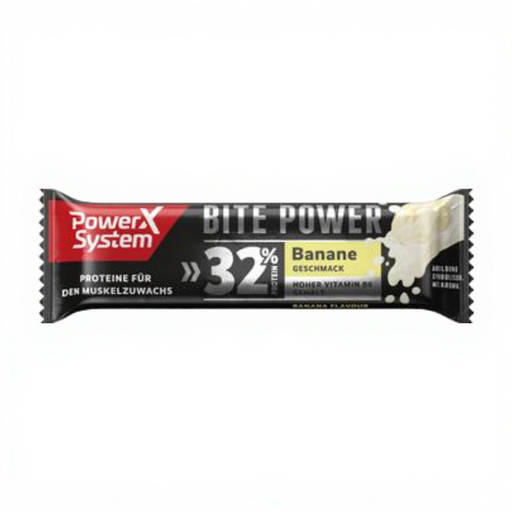
Power System 32% Protein Bite Power Banana flavour, 35 g
This 35-g protein bite is an option for anyone looking for a set snack portion and considering protein as part of their choice.
Compare the protein and kcal in the whole bite rather than relying only on a highlighted percentage. If sugars or allergens matter to you, check the current packaging.
View at Joybuy
Frequently asked questions
Is a cereal bar with few kcal per piece ‘low energy’?
Not necessarily. Under EU Regulation (EC) No 1924/2006, the ‘low energy’ claim may only be used for solid foods when specific conditions are met, including a maximum of 40 kcal per 100 g. The energy in the portion you actually eat matters for your break too.
Does a bar with no added sugar contain neither sugar nor sweeteners?
No, you can’t tell from this claim alone. Check the ‘of which sugars’ figure in the nutrition information, and read the ingredients list for sweetening ingredients and any information about sugar alcohols.
Is a protein bar automatically a better choice for an office break?
No. A protein bar may suit you if you’re deliberately prioritising protein per portion, but compare the kcal and other ingredients per bar too. The consumer advice centre points out that extra protein products are generally not needed to meet your nutritional needs.
Where can I find allergen information on a packaged snack bar?
Allergenic ingredients are highlighted in the ingredients list, as explained by the German Food Federation. Read the information and any ‘may contain’ statements on the current packaging, especially if you’re choosing a different flavour.
Should a bar replace your packed lunch?
A bar can be a planned addition or a quick snack, but it doesn’t have to replace a meal. The Federal Centre for Nutrition recommends planning your lunch-break meals carefully, so consider whether the portion you choose suits what you actually need from your break.


