
Lieferung heute & morgen

Qualitätsgarantie

Willkommens-Angebote freischalten: KOSTENLOSE Lieferung | Bis zu 80 % RABATT | Kostenlose 30-Tage-JoyPlus-Testphase
App herunterladen
As your Joybuy Product Recommendation Officer, I see the vast array of oil-infused shampoos on the market every day. The selection can be overwhelming, and marketing promises don't make the decision any easier. Many people choose the wrong product and are disappointed when the desired effect doesn't materialize. This guide is designed to help you avoid the most common pitfalls and find a shampoo that truly suits the needs of your hair and scalp.
Before we dive into the selection criteria, let's look at the typical misconceptions that often lead to an unsuitable purchase.
The Misconception: "Oil is Bad for Oily Hair" Many people with hair that gets greasy quickly avoid products with oil, fearing it will worsen the problem. This is a fallacy. Harsh, stripping shampoos can actually stimulate the scalp to produce even more sebum. In contrast, certain oils, like tea tree or jojoba oil, can help regulate sebum production and rebalance the scalp.
The Silicone Trap: Not All Silicones Are Created Equal Silicones give hair shine and smoothness by forming a film around the hair shaft. While water-soluble silicones are easily rinsed out, non-water-soluble silicones can accumulate ("build-up"). Over time, this can weigh hair down and make it look dull. It's therefore important to check the type of silicones on the ingredients list or specifically choose silicone-free formulas if you want to avoid build-up.
"One-Oil-Fits-All" Marketing Argan oil, coconut oil, avocado oil—the list of advertised oils is long. But not every oil is suitable for every hair type. Heavy oils like avocado oil are ideal for very dry, thick hair but can quickly make fine hair look stringy. Lighter oils are often the better choice here. A product that promises a "miracle oil" for all hair types ignores these crucial differences.
To find the right oil-infused shampoo, you should focus on objective criteria rather than marketing messages.
The type of oil is crucial for the shampoo's effect. Each oil has specific properties that suit different hair needs.
Surfactants are responsible for the cleansing action. At the same time, additional active ingredients can target specific hair problems.
Here are some product recommendations tailored to different requirement profiles.
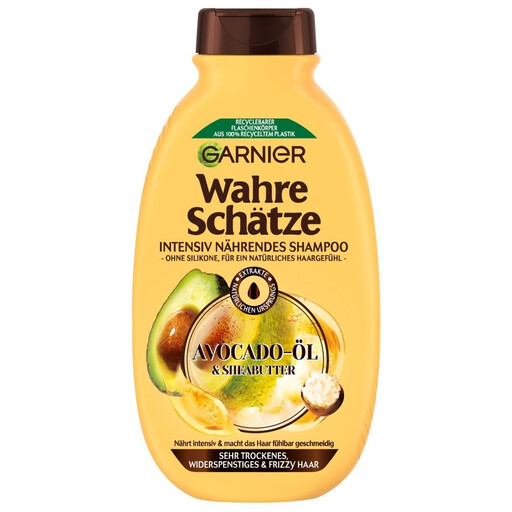
Why This Fits Their Persona: This formula is specifically designed for very dry hair. The combination of rich avocado oil and shea butter provides intense moisture without weighing the hair down and helps to tame frizz.
It avoids the "one-oil-fits-all" trap by specifically targeting the needs of dry hair with well-known, nourishing oils.
The silicone-free formula ensures natural care and deep hydration, leaving hair light and shiny.
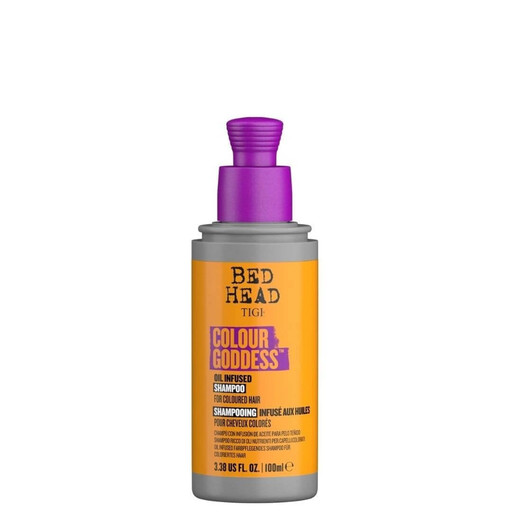
Why This Fits Their Persona: For those with colour-treated hair, maintaining colour vibrancy is just as important as nourishment. This shampoo combines colour protection with nourishing oils (coconut and sweet almond oil) and strengthening keratin.
It addresses the silicone issue by offering a professionally developed formula that focuses on hair health to preserve colour, rather than just sealing it in.
Contains hydrolysed keratin, which helps to repair and strengthen the hair structure weakened by chemical treatments.
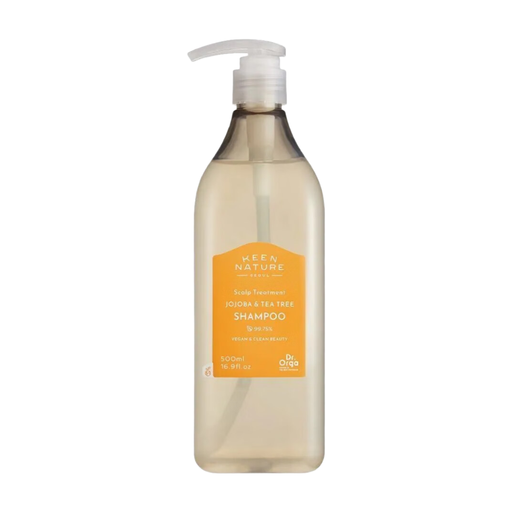
Why This Fits Their Persona: Ideal for individuals with an oily or dandruff-prone scalp. It uses the regulating properties of tea tree oil and jojoba oil to soothe the scalp and balance sebum production.
It debunks the myth that oil is harmful for oily scalps by using targeted, balancing oils instead of aggressively stripping the skin.
The formula targets the root cause of oily hair and dandruff—an unbalanced scalp—and promotes a healthy scalp environment.
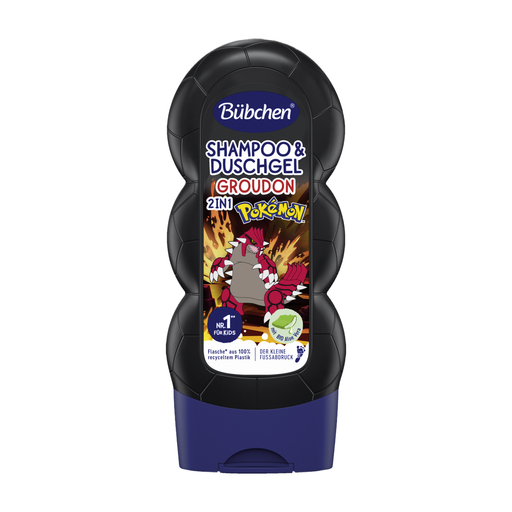
Why This Fits Their Persona: This kids' shampoo is specially designed for the sensitive skin and fine hair of children. The pH-neutral formula cleanses gently without disturbing the skin's natural protective barrier.
It intentionally avoids mineral oil and harsh ingredients that can be found in adult shampoos, relying instead on a proven, gentle formula.
The 2-in-1 formula with hydrolysed wheat protein and aloe vera cleanses and conditions in one step, making hair washing quicker and easier for children.
We have compiled a complete, up-to-date list of products that fully meet these strict selection criteria.
Is a shampoo with oil suitable for oily hair? Yes, provided it contains the right oils. Light, non-comedogenic oils like jojoba, grapeseed, or tea tree oil can help regulate the scalp's sebum production. Such a shampoo cleanses without drying out the scalp, which can counteract an overproduction of oil.
How can I identify a good nourishing shampoo for dry hair? A good shampoo for dry hair should contain rich, nourishing oils like avocado oil, shea butter, or argan oil. Also, look for moisturising ingredients like glycerin or hyaluronic acid. A mild surfactant base is also beneficial to avoid stripping the hair of additional moisture.
What is the purpose of dry shampoo, and does it replace a normal hair wash? A dry shampoo is not a cleansing product in the traditional sense. It is usually a starch-based spray that absorbs excess oil and sebum at the roots to refresh the hair and add volume. It does not replace a hair wash with water and a liquid shampoo but serves to extend the time between washes.