For close-up details of a small oil painting, a panel you can position separately and fit with a light modifier is a sensible starting point. What matters is whether you can control highlights in the camera image by adjusting the position and diffusion. For wider shots, two independently positioned panels can make it easier to distribute the light, but they need more space and may create additional reflections. Always check the white balance and look for possible banding using your camera and the video settings you’ll actually use.
Which type of lighting is right for you?
Artists filming glossy details
If you’re filming varnish, wet paint or pronounced brushstrokes, first check whether reflections are obscuring important details. The Smithsonian Institution Archives explains how diffuse lighting can reduce reflections on shiny surfaces; you’ll need to assess the effect on your painting and in the camera image.
Artists comparing colours
If you want to compare shades across several shots, look for controllable white light and set the camera’s white balance appropriately. Canon Europe points out that the colour temperature of the incoming light affects how the camera records colour. A high advertised colour rendering value alone won’t confirm the result on your painting.
Filming with changing frame sizes
If you switch between a close-up of a small area and a wider shot, or want to clear your workspace after filming, panel size, positioning, mounting and power supply all matter. For wider shots, two independently positioned lights may be an option, provided there’s enough room to set them up safely.
What should you look for when choosing?
One independently positionable panel
Best for: showing a small area or brush texture and adjusting the direction of the light precisely.
Keep in mind: shadows or uneven brightness may remain across a wider shot; a diffuser won’t eliminate reflections from every position.
Two independently positionable panels
Best for: lighting a wider shot when you have room on both sides for secure light stands.
Keep in mind: two lights need more space and may create extra highlights or soften the shadows in the brush texture.
Compact battery-powered light
Best for: filming a very small area or moving the light frequently.
Keep in mind: there’s no evidence that a small light can replace broad illumination for a larger painting; check the coverage and battery life in your planned setup.
| What matters |
What to check before buying |
Who should consider this? |
| Reflections and brush texture |
Panel position and angle; a suitable diffuser. Film a short test clip of your painting from the planned camera position. |
If varnish or visible brushstrokes are shining in the shot, I want to control distracting reflections without losing sight of the surface texture. Around 33% of consumers put reflection control first. |
| Consistent colour |
Documented white-light settings and model-specific colour rendering information; test the camera’s white balance under the light you’ll use. |
If I want to compare shades across several shots, I need repeatable lighting and a suitable white balance. Around 27% of consumers prioritise consistent colour comparison. |
| Shot size |
Check that the test clip illuminates the entire area; check the space available for the lights and stands. Compare lux figures only under the same measurement conditions. |
If I switch between a detail and a larger area of the painting, I want the chosen setup to cover the whole shot. Around 20% of consumers prioritise lighting the full shot. |
| Banding in video |
Film a test clip using your planned frame rate, shutter speed and dimmer setting; check which camera settings are available. |
If I’m recording longer clips, I want to avoid visible banding with the video settings I’ll actually use. Around 13% of consumers prioritise band-free footage. |
| Space and power supply |
Check the space needed and that the light can be mounted securely; check the power supply, supported battery types and runtime at the brightness you need. |
If I often rearrange my workspace or have limited room, I need a straightforward setup that suits the filming location. Around 7% of consumers prioritise space requirements and power supply. |
Which mistakes should you avoid?
-
Assuming wattage or lux figures will prevent highlights
Reflections depend on your setup and the position of the light. You can’t directly compare lux figures from different lights as an indication of how well they’ll illuminate a painting unless the measurements were taken under the same conditions.
First decide on the camera position and shot size. Then assess the angle and diffusion in a test clip.
-
Buying a second panel without checking space and reflections
Two light sources can be positioned independently, but they need more room and may create extra reflections.
Check what’s included and make sure you can set the lights up securely. Position each light on its own first, then check the combined effect in the camera image.
-
Assuming a flicker-free claim applies to every camera setting
Sony explains that banding can occur under LED lighting and that camera and shutter settings can play a part.
Before recording longer clips, test the planned frame rate, shutter speed and dimmer setting. If you see banding, check the shutter or anti-flicker settings available on your camera.
-
Assuming a suitable product title confirms the product’s identity
A Joybuy listing with ULANZI VL49 in the title instead gives the model as PrimeTrip VB1 in its specifications and mentions a bicycle mount. The title and technical details therefore contradict each other.
Before relying on the product description, compare the model, technical specifications, manufacturer and what’s included on the same listing page.
Which brands and specific models are worth considering?
amaran
The P60x is a bi-colour panel for separately positioned white light.
- According to Aputure, the manual specifies 3200–6500 K and 5070 lx at 1 m and 5600 K.
- CRI 95+ and TLCI 97 are manufacturer claims; they don’t prove that the light will eliminate reflections on a painting or prevent banding with every camera setting. The illuminance figure applies to the stated measurement conditions.
NEEWER
The documented NL660 Bi-Color two-light kit is designed for setups with two independently positionable lights.
- According to NEEWER EU, the kit includes two stands, diffusers and power supplies.
- The manufacturer specifies 3200–5600 K, CRI 96+ and a maximum of 3300 lx per panel at 1 m. NP-F550 and NP-F970 batteries are not included, according to the contents list; these figures are not independent measurements taken on a painting.
Nanlite
The PavoSlim 60B is a slim bi-colour panel supplied with a softbox, diffuser and honeycomb grid.
- The manual lists mains, NP-F and V-mount power options, along with 2700–6500 K, an average CRI of 95 and TLCI 97.
- Keep the fan and ventilation openings clear. If you’re recording audio, check how it sounds with your own microphone.
Godox
According to the manufacturer, the P260C Pro offers adjustable bi-colour light and several power options, including USB-C.
- Godox specifies 2800–6500 K for this model, with average CRI and TLCI of at least 98.
- The manufacturer’s claims don’t independently confirm how the colours of a particular painting will appear on video.
Ulanzi
The VL49 RGB is a small battery-powered light for mobile filming of very small areas, not a proven replacement for a large panel that illuminates a wider area.
- Ulanzi specifies a 2000-mAh battery and a maximum of 800 lx at 0.5 m.
- RGB effects don’t prove colour accuracy for documentation. Check the actual battery life and coverage in your planned setup.
Compact battery-powered lights at Joybuy
This selection features compact, battery-powered lights for close-up details and mobile setups. Check that the light’s size and direction are suitable for your painting.
 No image available
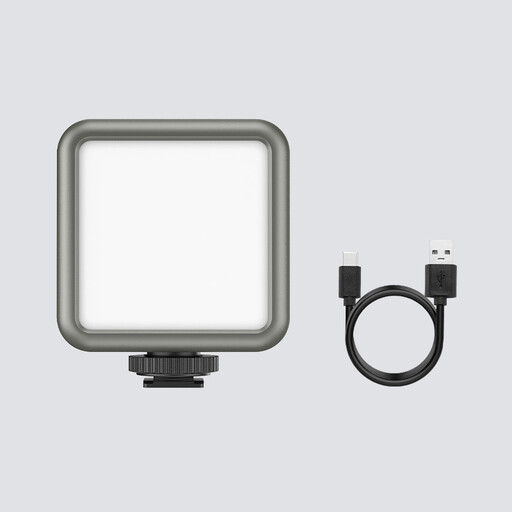
ULANZI VL49 LED video light, 2000 mAh
The title suggests a compact light for close-up shots; check the product details before buying, as the listing specifications don’t match.
The listing title specifies 2000 mAh, 2500–9500 K and a rear magnet. The specifications on the same listing instead name PrimeTrip VB1 and a bicycle mount.
Purchase link unavailable
 No image available
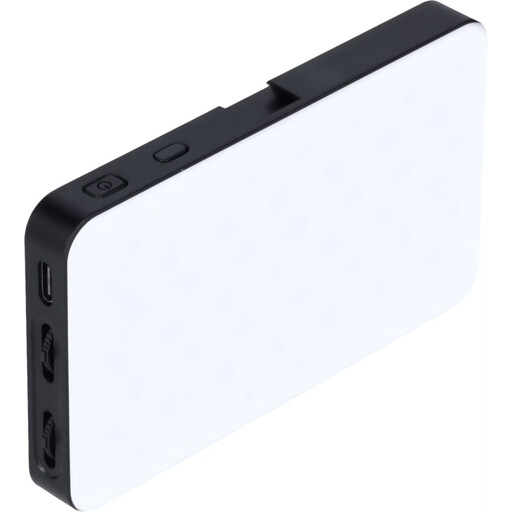
Rollei LUX Compact RGB LED Light 8W
The product title describes a compact RGB and bi-colour light for photography and video; check that its light output suits the area of the painting you want to film.
The product title lists 8 W, 360 colours, bi-colour lighting and app control.
View at Joybuy
 No image available
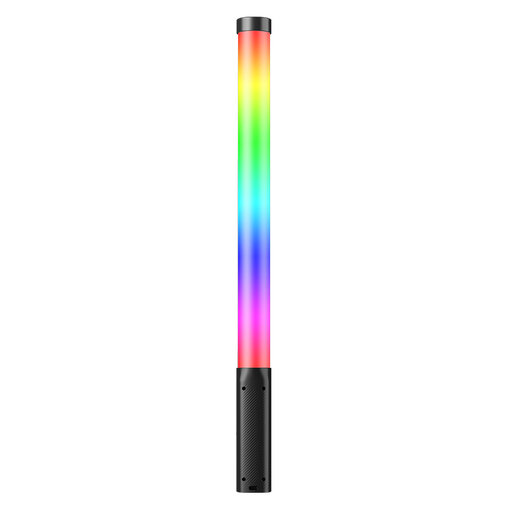
Ulanzi VL119 Handheld Video Light 10W
With its handheld design and built-in battery, this is an option if you need to move a light around frequently for close-ups.
The product title specifies 10 W, a 3300-mAh battery and an adjustable colour temperature of 2500–9000 K.
View at Joybuy
Frequently asked questions
Does a high CRI value automatically make painting colours look accurate on video?
No. Model-specific CRI or TLCI values are the manufacturer’s figures for the light; how colours are recorded also depends on the lighting and the camera’s white balance. Compare a test shot taken with your chosen white-light setting with the original painting.
What can I change if I see banding in my video?
Test your planned dimmer setting and video settings. Sony explains that changing the shutter speed may reduce banding; the anti-flicker features available depend on the camera model. A test clip is no substitute for a blanket flicker-free claim.
How do I clean and position a panel safely?
Follow the instructions for the specific model. For the Nanlite PavoSlim 60B, the manual recommends a dry, well-ventilated location, keeping the ventilation openings clear and cleaning with a cloth and neutral cleaner. Don’t assume these instructions apply to other panels without checking.
Are batteries, stands and light modifiers always included?
No, it depends on the model and listing option. The documented NEEWER NL660 two-light kit lists stands, diffusers and power supplies, but specifically excludes compatible NP-F batteries. Check what’s included and which mounts you’ll need before buying.


