What should you look for when buying popcorn?
First decide whether you want to control the ingredients yourself or use a ready-made microwave bag. Then compare the nutritional information on the same basis and plan how much you’ll serve for the evening.
| Criteria |
What to check |
Who should consider it? |
| Calories and fat |
Compare calories and fat per 100 g. For popcorn you make yourself, remember to include the oil and the actual portion size too. |
If I control the extras, I can decide how much to put in my snack bowl too. For around 42% of consumers, having control over ingredients and portions comes first. |
| Salt, sugar and ingredients |
Check the nutritional information for salt and sugar, as well as the ingredients list and allergen labelling on the specific pack. |
When serving guests, I want to know what’s in the variety I’ve chosen instead of relying on labels such as ‘sweet’ or ‘salty’. Around 33% of consumers prioritise this information. |
| Preparation time and effort |
Check whether you plan to use a saucepan, a suitable appliance or a microwave, and follow the relevant preparation instructions. |
Before the party, I want to make a snack with as little preparation as possible, so I’m happy to go with a fixed recipe. For around 25% of consumers, ease of preparation comes first. |
Popcorn kernels at Joybuy
These popcorn kernel products are suited to making your own popcorn for an Oktoberfest evening, so you can choose the seasoning and extras. For a calorie-conscious choice, compare the details on the specific pack and remember to include the oil and any other ingredients in the finished portion.
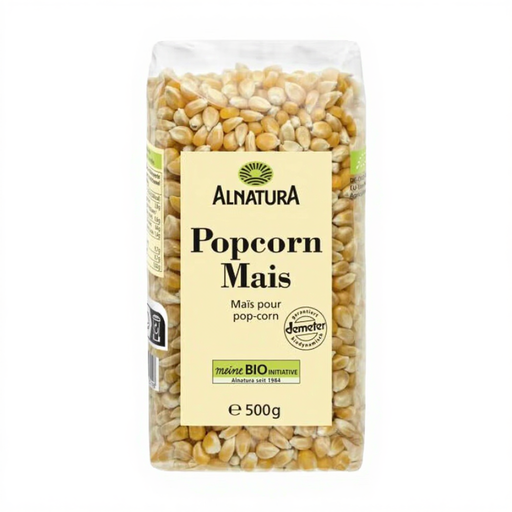 Image unavailable
Alnatura Organic popcorn kernels 500 g
For making popcorn yourself, with the freedom to choose how much oil and seasoning to use.
The product name specifies a 500 g pack. The nutritional values of the finished portion depend on how many kernels you use and what else you add.
View at Joybuy
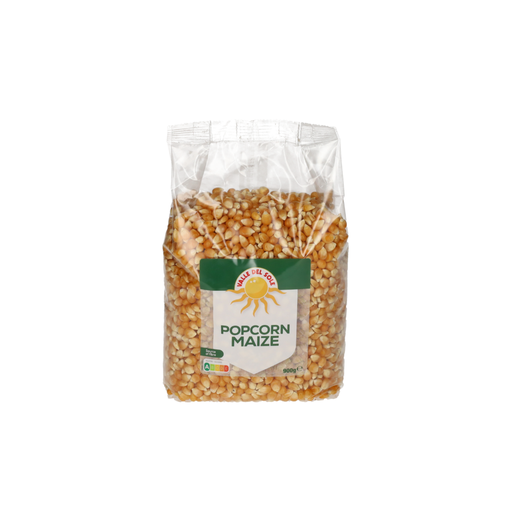 Image unavailable
Valle del Sole popcorn maize (Butterfly) 900 g
For anyone who wants to make their own popcorn and season it to taste.
Before buying, check the pack size and nutritional information for the variety you’ve selected. Remember that any extras added during preparation count towards the finished portion too.
View at Joybuy
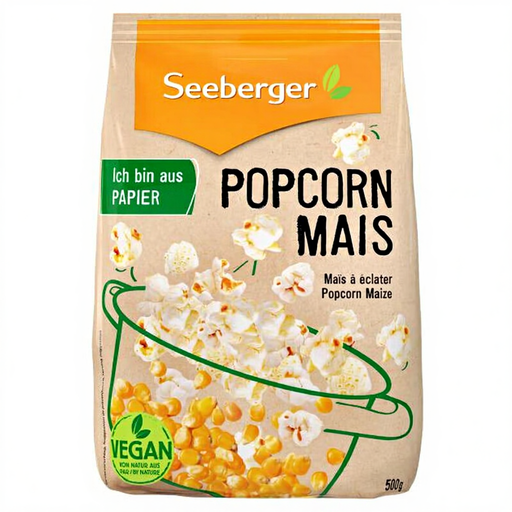 Image unavailable
Seeberger popcorn kernels 500 g
For making popcorn yourself and choosing how to season it.
The product name specifies 500 g; check the pack size for the variety you choose. If you’re buying for guests, check the allergen labelling on the specific pack. Oil and any other extras affect the nutritional values of the finished portion.
View at Joybuy
Frequently asked questions
Is popcorn automatically low in calories?
No. It depends on the specific product, how it’s prepared and how much you eat. EDEKA lists 430 kcal per 100 g for its salted GUT&GÜNSTIG microwave popcorn; if you make it yourself, remember to include the oil and any other extras in your portion.
Which information should I compare on a pack of popcorn?
Compare calories, fat, sugar and salt per 100 g, and read the ingredients list. If you want to use a figure for a portion, check what quantity it applies to as well. The Federal Ministry of Agriculture, Food and Regional Identity explains the relevant labelling requirements for packaged food in Germany.
Do I need to check for allergens in popcorn?
Yes. If particular ingredients matter to you or your guests, the labelling on the specific pack is key. The Federal Ministry of Agriculture, Food and Regional Identity explains that the 14 most common causes of allergies and intolerances must be labelled.
Can I make popcorn with ordinary corn kernels?
Use popcorn kernels, also known as popping corn. Lidl Germany explains in its preparation guide that ordinary corn kernels aren’t suitable for making popcorn.
What should I look for in salted microwave popcorn?
Check the salt content per 100 g and how much you plan to eat. EDEKA lists 2.5 g of salt per 100 g for its salted GUT&GÜNSTIG microwave popcorn; check the information on the pack for other varieties.


