What should you look for when buying?
Start by comparing fat content on a like-for-like basis. Then check the portion size, other nutritional values and ingredients to see whether the bar is right for your festival day too.
| What matters |
What to check |
Who it matters to |
| Fat and portion size |
Fat and energy per 100 g and per bar; for ‘reduced fat’ products, check what they’re being compared with. |
I want to choose a bar for a long festival day and be able to work out how much fat I’ll get in the portion I actually eat. Around 40% of consumers put this comparison first. |
| Protein |
Look at the protein per bar alongside fat, sugar and energy. |
Protein matters to me when I’m out and about, but I don’t want to choose a protein bar just because of its packaging. This is the top priority for around 30% of consumers. |
| Ingredients |
Check the ingredients list, highlighted allergens and any information about sugar alcohols. |
I need a bar with ingredients that suit my diet and personal requirements. Around 20% of consumers put this first. |
| Taking it with you |
Consider the portion size, packaging and storage instructions for your trip. |
I want to choose a bar that’s easy to take with me before setting off. This is the top buying priority for around 10% of consumers. |
Brands and product ranges to help you compare
The information below relates to specific product ranges or varieties, not every bar made by each brand.
REWE PWR
Protein bars from REWE’s own brand, including the Brownie variety.
- For its Brownie bar, REWE lists 3.7 g of fat and 13.5 g of protein per 45 g bar.
- The Brownie bar contains milk and soya, as well as sugar alcohols.
Premier Protein
Protein bars, with the Chocolate Caramel variety offering figures for a 40 g serving to compare.
- For Chocolate Caramel, REWE lists 20 g of protein, 2.9 g of fat and 0.7 g of sugar per 40 g bar.
- This variety contains milk, soya and sugar alcohols; follow the consumption advice on the packaging.
Layenberger
The Lowcarb Schoko-Banane variety gives you a comparison point if you’re watching your sugar as well as your fat intake.
- For this 35 g bar, REWE lists 16 g of protein, 4.2 g of fat and 0.5 g of sugar.
- This variety contains milk, soya and beef collagen, so it isn’t suitable for a vegetarian diet.
Mars
The Mars Protein Bar is a sweet protein bar with a chocolate and caramel flavour.
- The REWE product page lists 10 g of protein per 50 g bar.
- The protein figure alone doesn’t tell you how much fat it contains; check the nutritional information on the specific pack.
BiFi
A savoury salami snack as an alternative to sweet bars, rather than a like-for-like bar option.
- BiFi lists 25 g of protein per 100 g for Tasty Bites.
- For the same product, BiFi lists 40 g of fat and 4 g of salt per 100 g – an important consideration if you’re looking for a low-fat option.
Snack bars at Joybuy
These bars come in different portion sizes and varieties, giving you options to compare for an on-the-go snack. If you’re specifically looking for a product labelled ‘reduced fat’, also check what it’s being compared with on the packaging; the type of bar or a protein claim is no substitute.
 Image unavailable
Frankonia Sugar Free Nutrition Bar Chocolate Brownie, 50 g
A 50 g serving if you’re looking for a sweet bar to take with you and want to compare the fat per bar with other portion sizes.
Check the ingredients for milk and soya. If you eat too much, bear in mind the warning that maltitol may have a laxative effect.
View at Joybuy
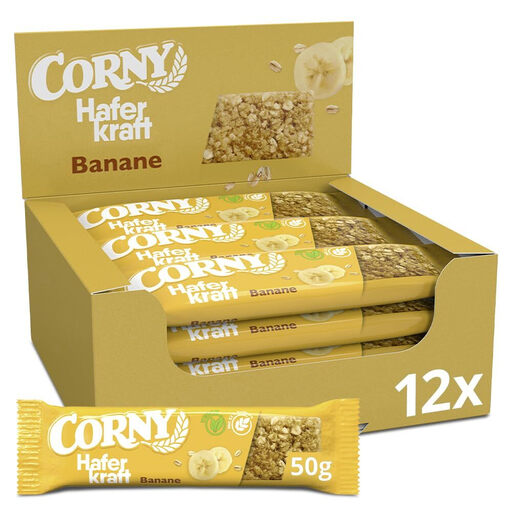 Image unavailable
Corny Haferkraft Banana, 12 × 50 g
A multipack of oat bars if you want to take individual 50 g portions on several outings.
The oats contain gluten; traces of nuts, peanuts and milk may also be present. Compare the fat content per bar with other varieties.
View at Joybuy
 Image unavailable
Corny Haferkraft Zero Peanut Butter, 12 × 50 g
A multipack of oat and peanut bars if you fancy a peanut flavour and want to compare fat figures per 100 g with other bars.
Contains peanuts and oats that contain gluten; traces of nuts and milk may also be present. Check the nutritional information for the 50 g serving as well when choosing.
View at Joybuy
 Image unavailable
Corny Free White Chocolate No Added Sugar cereal bars, 6 × 20 g
Six smaller cereal bar portions if you prefer a 20 g serving when you’re out and about.
This variety contains gluten-containing cereals, milk and peanuts. A smaller portion doesn’t in itself tell you how much fat there is per 100 g.
View at Joybuy
 Image unavailable
Premier Protein 50% Bar Chocolate Caramel, 16 × 40 g according to the pack description
A multipack of protein bars if you want to weigh up protein and fat using the same nutritional basis.
Check the weight of an individual bar on the packaging before comparing: the stated bar weights differ, so you can’t reliably determine the fat content per bar. Also check the information on milk, soya and any other listed allergens, as well as the consumption advice.
View at Joybuy
Frequently asked questions
Do ‘low fat’ and ‘reduced fat’ mean the same thing for snack bars?
No. Lebensmittelklarheit explains that ‘low fat’ refers to the fat content of a food, while ‘reduced fat’ is a comparison with another food. So when choosing, check what the product is being compared with, as well as the fat and energy figures per 100 g and per bar.
Is a protein bar automatically the right choice if I want as little fat as possible?
No. According to the relevant REWE product pages, Premier Protein Chocolate Caramel contains 2.9 g of fat per 40 g bar, while REWE PWR Brownie contains 3.7 g per 45 g bar. The portions are different sizes; for a direct comparison of fat content, also check the figures per 100 g and review the ingredients.
Why should I consider sugar alcohols before a long festival day?
According to the consumer advice centre, larger amounts of sugar alcohols may have a laxative effect. If a bar contains these ingredients, read the consumption advice and don’t try a large amount for the first time just before a long journey.
What should I look out for if I’m vegetarian or have allergies?
Check the ingredients and allergen information for the specific variety. The Layenberger Lowcarb Protein Bar Schoko-Banane contains beef collagen, so it isn’t suitable for a vegetarian diet; several of the protein bars considered here also contain milk or soya.


